









When it comes to creating a memorable dining experience, the interior design of a restaurant plays a crucial role. Beyond the menu and service, the atmosphere cultivated by design elements can significantly influence customer perceptions and behaviors. This article will explore the various aspects of restaurant interior design, including trends, essential elements, and practical tips for creating an inviting space that resonates with patrons.
The Importance of Ambiance in Dining
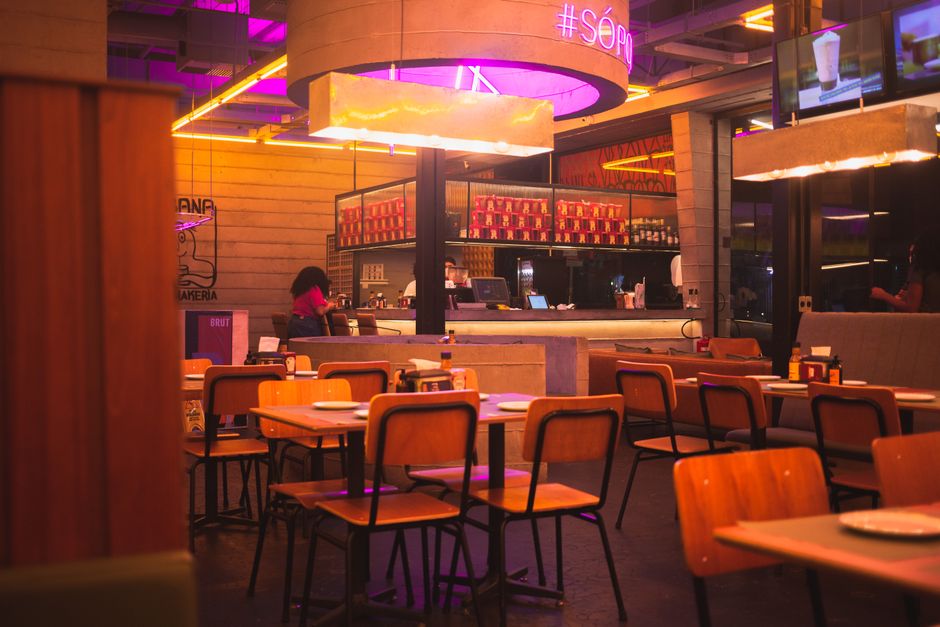
Ambiance is the first impression a customer receives when they walk into a restaurant. It encompasses everything from lighting and color schemes to furniture and layout. According to a study by the Cornell University School of Hotel Administration, 60% of diners reported that ambiance significantly affects their perception of food quality. Therefore, it is essential for restaurateurs to invest time and resources into creating a space that not only looks good but also feels inviting.
One of the key elements of ambiance is lighting. Soft, warm lighting can create an intimate environment, while bright lights may convey a more casual and energetic vibe. Additionally, the use of natural light can enhance the dining experience, making the space feel more open and welcoming. Furthermore, incorporating elements like artwork, plants, and textiles can add character and warmth to the space.
Understanding Your Target Audience
Before diving into the design process, it is vital to understand the target audience. The design should reflect the preferences and expectations of the clientele. For instance, a high-end restaurant might opt for elegant furnishings and a sophisticated color palette, while a casual eatery may choose vibrant colors and playful decor.
Research shows that millennials and Gen Z diners are particularly attracted to visually appealing spaces that are ‘Instagram-worthy.’ In fact, a survey found that 30% of younger diners choose restaurants based on the aesthetics of the interior design. Therefore, incorporating trendy design elements, such as statement walls and unique seating arrangements, can draw in these demographics.
Key Elements of Effective Restaurant Interior Design
Several critical components contribute to effective restaurant interior design. First, layout plays a significant role in the flow of the dining experience. A well-thought-out layout allows for smooth traffic patterns for both customers and staff, enhancing efficiency and comfort.
Furniture selection is another crucial factor. Comfort is key; patrons should feel relaxed and at ease. The choice of chairs and tables should reflect the overall theme of the restaurant while providing adequate space for diners to enjoy their meals without feeling cramped.
In addition to furniture, color schemes can drastically affect the mood of a restaurant. Warm colors like red and orange can stimulate appetite and conversation, while cooler colors like blue may create a more relaxed atmosphere. Combining colors thoughtfully can contribute to a cohesive and inviting space.
Incorporating Technology in Design
In today’s digital age, incorporating technology into restaurant design is becoming increasingly essential. This includes everything from the use of digital menus to smart lighting systems that can adjust based on the time of day.
Moreover, many restaurants are now utilizing augmented reality (AR) features to enhance the dining experience. For example, customers can use their smartphones to view 3D representations of dishes before ordering. This innovative approach not only captivates diners but also sets a restaurant apart in a competitive market.
Additionally, creating a seamless online reservation system can help attract tech-savvy customers who value convenience. Ensuring that the restaurant’s design supports these technological integrations can lead to increased customer satisfaction and loyalty.
Real-Life Examples of Successful Restaurant Interior Designs
Many restaurants have successfully applied innovative interior design strategies to enhance their brand identity and customer experience. For instance, the renowned restaurant chain Noma in Copenhagen is famous for its minimalist design that emphasizes natural elements, creating a serene dining atmosphere that complements its focus on seasonal ingredients.
Similarly, the fast-casual chain Sweetgreen incorporates a modern, eco-friendly design that resonates with health-conscious consumers. Their use of sustainable materials and open layouts reflects their commitment to promoting a healthy lifestyle, which has contributed to their rapid growth and popularity.
These examples illustrate how thoughtful interior design can not only enhance the dining experience but also strengthen a restaurant’s brand identity and market position.
Conclusion: The Future of Restaurant Interior Design
As the restaurant industry continues to evolve, the importance of innovative and thoughtful interior design will only grow. Restaurateurs must stay informed about emerging trends and consumer preferences to create spaces that are not only visually appealing but also functional and inviting.
In conclusion, investing in quality interior design can yield significant returns in customer satisfaction and loyalty. By understanding the essentials of restaurant interior design, including ambiance, audience, and technology, restaurateurs can craft memorable dining experiences that keep patrons coming back for more. For those looking for inspiration and guidance in restaurant interior design, resources are available to help navigate this complex yet rewarding field. Consider exploring options from experts in the industry to elevate your restaurant’s design and overall customer experience. For more insights, visit restaurant interior design websites that offer professional advice and creative ideas.