









In the competitive world of dining, the ambiance of a restaurant plays a crucial role in attracting and retaining customers. Restaurant interior design is not merely about aesthetics; it encompasses the entire dining experience, influencing how patrons feel and interact with the space. This article delves into the essential elements of effective restaurant interior design, exploring how various factors contribute to creating an inviting and memorable atmosphere.
Understanding the Importance of Restaurant Interior Design
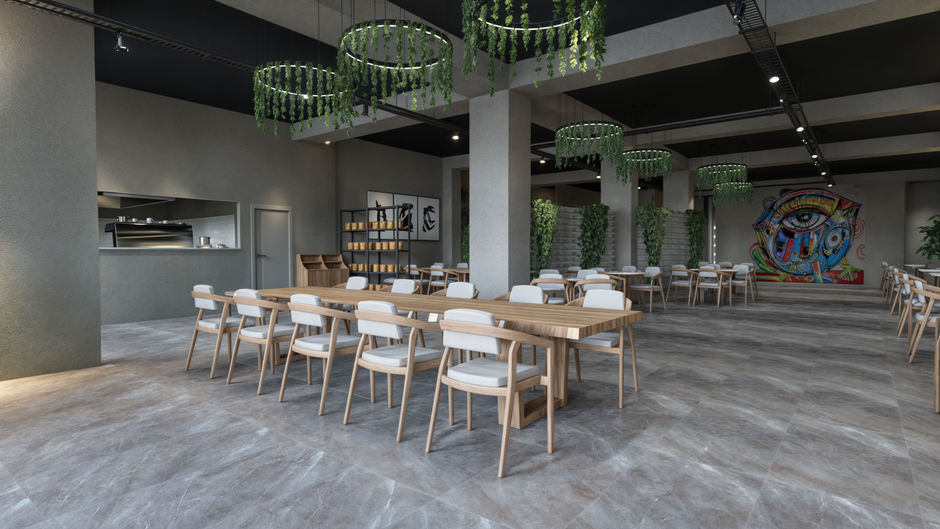
The interior design of a restaurant serves as the backdrop for the dining experience. A well-designed space can enhance a customer’s mood, promote social interaction, and even influence their choice of menu items. According to a study by the Restaurant Research Institute, 70% of diners consider the restaurant’s atmosphere as a vital factor in their overall satisfaction. This highlights the importance of creating an environment that resonates with the target audience while aligning with the restaurant’s brand identity.
Moreover, the layout of the restaurant can significantly impact customer flow and service efficiency. A thoughtful arrangement allows for smooth navigation, reducing wait times and improving the overall dining experience. Therefore, understanding the psychology behind space and design is essential for restaurateurs looking to optimize their establishment’s performance.
Key Elements of Effective Restaurant Interior Design
When it comes to restaurant interior design, several key elements must be considered to create a cohesive and inviting space. These include color schemes, lighting, furniture selection, and decorative accents.
Color plays a fundamental role in setting the mood of a restaurant. Warm tones like reds and yellows can stimulate appetite and conversation, while cooler tones like blues and greens may evoke a sense of calmness. Combining these colors effectively can create a unique atmosphere that reflects the restaurant’s cuisine and theme.
Lighting is another critical aspect. Ambient lighting can create a cozy atmosphere, while task lighting highlights specific areas, such as the bar or dining tables. The right balance of lighting ensures that guests feel comfortable and engaged without feeling overwhelmed.
Incorporating Brand Identity into Design
Every restaurant has a unique identity that should be reflected in its interior design. Whether it’s a casual eatery or an upscale dining establishment, the design should communicate the restaurant’s values and mission. For instance, a farm-to-table restaurant might incorporate rustic elements and natural materials to emphasize its commitment to sustainability.
Branding through design extends beyond visual aesthetics. The choice of furniture, table settings, and even the staff’s uniforms should align with the overall theme. This cohesive approach not only enhances the dining experience but also fosters brand loyalty among customers.
For those looking to explore professional help in this area, restaurant interior design services can provide the expertise needed to create a space that resonates with the target audience.
Trends in Restaurant Interior Design
Staying current with design trends is crucial for any restaurant aiming to attract a modern clientele. Recent trends emphasize sustainability, technology integration, and flexible spaces. Eco-friendly materials and energy-efficient designs are becoming increasingly popular as consumers seek environmentally responsible options.
Additionally, technology plays a significant role in modern dining experiences. Incorporating digital menus, interactive displays, and even augmented reality can enhance customer engagement and streamline operations.
Flexible dining spaces that can adapt to different group sizes and occasions are also gaining traction. This adaptability allows restaurants to maximize capacity and cater to a wider audience, especially in a post-pandemic world where dining preferences have shifted.
Conclusion: The Future of Restaurant Interior Design
The future of restaurant interior design is undoubtedly exciting, with endless possibilities for innovation and creativity. As customer expectations evolve, restaurateurs must stay ahead of the curve, continually adapting their spaces to meet the demands of a diverse clientele. By understanding the importance of interior design and its impact on the overall dining experience, restaurant owners can create environments that not only attract but also retain loyal customers. Ultimately, a well-designed restaurant is not just a place to eat; it is an experience that leaves a lasting impression.