








The toy industry is a vibrant and dynamic sector that plays a crucial role in the development and happiness of children. With the ever-evolving landscape of consumer preferences and technological advancements, toy manufacturers are constantly adapting to create products that are not only entertaining but also educational. This article delves into the various aspects of being a successful children toy manufacturer, from design trends to safety regulations, and the importance of understanding the market.
The Importance of Play in Child Development
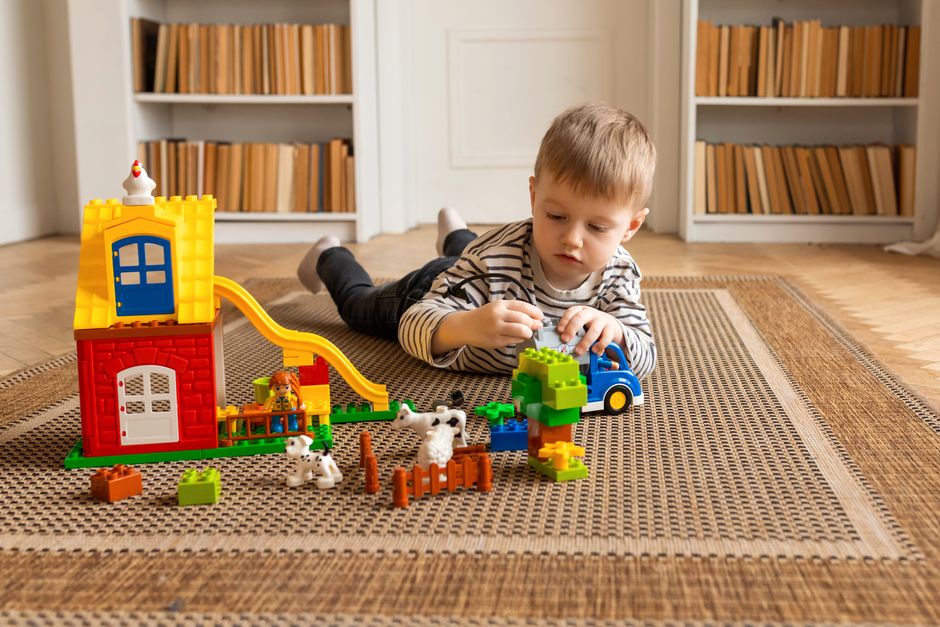
Play is an essential part of childhood, serving as a fundamental means through which children learn and grow. Psychologists and educators emphasize that through play, children develop critical social, emotional, and cognitive skills. According to a report by the American Academy of Pediatrics, play contributes to the development of brain architecture and is vital for healthy brain development.
As a children toy manufacturer, recognizing the significance of play is paramount. Toys should not only serve as a source of entertainment but also promote creativity and problem-solving abilities. For instance, building blocks encourage spatial awareness and fine motor skills, while role-playing toys enhance social skills and emotional intelligence.
Current Trends in Toy Design
The toy industry is heavily influenced by trends that can shift rapidly based on cultural phenomena, technological advancements, and consumer interests. In recent years, there has been a noticeable shift towards sustainable and eco-friendly toys. Parents are increasingly seeking products made from natural materials that are safe for their children and environmentally responsible.
Moreover, technology integration in toys has become a significant trend. Toys that incorporate augmented reality (AR) or artificial intelligence (AI) offer interactive experiences that engage children on a deeper level. For example, smart toys that respond to children’s actions or voice commands not only entertain but also provide educational content, making learning fun and engaging.
Safety Standards and Regulations
Safety is a top priority for any children toy manufacturer. Various regulations govern the toy industry to ensure that products are safe for children. In the United States, the Consumer Product Safety Commission (CPSC) sets the safety standards that manufacturers must adhere to. These standards include testing for choking hazards, toxic materials, and overall durability.
Manufacturers must also stay informed about international safety standards, especially if they plan to export their products. For instance, the EN71 standard in Europe outlines safety requirements for toys and is crucial for gaining market access. Compliance with these regulations not only protects children but also enhances the manufacturer’s reputation and credibility in the market.
Understanding Market Trends and Consumer Preferences
To succeed as a children toy manufacturer, it is essential to have a deep understanding of market trends and consumer preferences. Market research plays a vital role in identifying what parents and children are looking for in toys. Surveys and focus groups can provide insights into the types of toys that are currently popular and the characteristics that consumers value most.
For example, the rise of STEM (Science, Technology, Engineering, Mathematics) toys reflects a growing interest among parents in educational products that promote learning in these critical areas. Toys that encourage scientific exploration or coding skills are increasingly sought after, reflecting a shift in parental priorities.
Building a Strong Brand Identity
In a competitive market, building a strong brand identity is crucial for a children toy manufacturer. A recognizable brand not only attracts customers but also fosters loyalty. Companies must convey their values, such as safety, quality, and innovation, through their branding efforts.
Marketing strategies should focus on engaging with parents through social media, influencer partnerships, and community events. Crafting compelling stories around the toys and their benefits can resonate with consumers, creating an emotional connection that enhances brand loyalty. Companies like children toy manufacturer exemplify this approach by highlighting the educational value and playfulness of their products.
Conclusion
Being a successful children toy manufacturer involves a blend of creativity, understanding of child development, adherence to safety standards, and keen awareness of market trends. By prioritizing play and innovation, manufacturers can create engaging products that not only entertain but also contribute to the growth and learning of children. As the toy industry continues to evolve, staying informed and adaptable will be key to thriving in this dynamic landscape.