









In the competitive world of dining, the significance of a well-designed restaurant interior cannot be overstated. It is not just about aesthetics; it’s about creating an experience that enhances the overall dining journey for customers. From the moment they step inside, the interior design plays a crucial role in shaping their perceptions and expectations. This article delves deep into the essential elements, trends, and practical tips for achieving an outstanding restaurant interior design.
Understanding the Importance of Interior Design
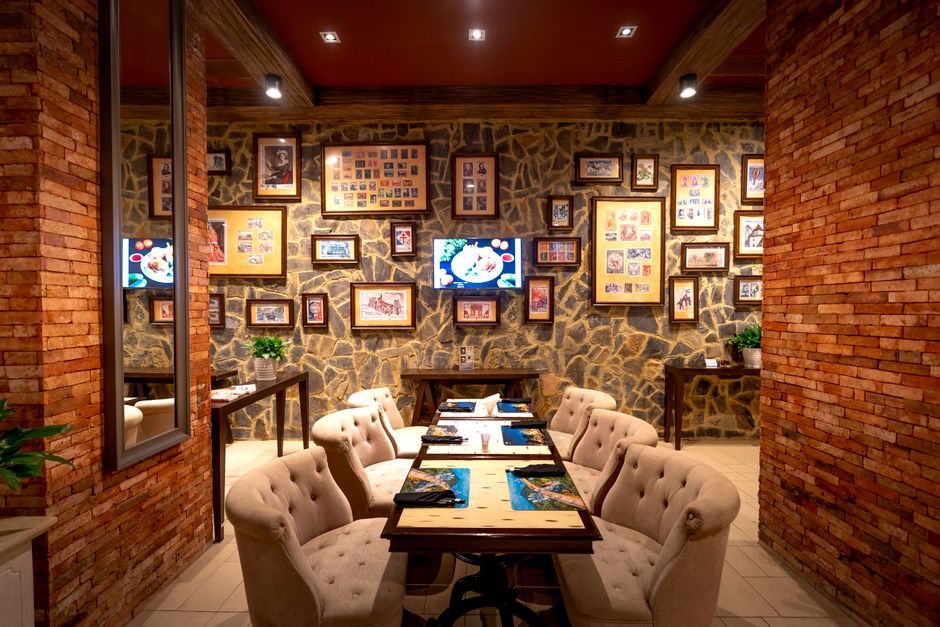
The interior design of a restaurant serves multiple purposes. Firstly, it establishes the restaurant’s brand identity. For instance, a fine dining establishment will have a different design philosophy compared to a casual eatery. This differentiation helps in attracting the right clientele and setting the tone for the kind of experience diners can expect.
Moreover, an effective interior design can significantly impact customer comfort and satisfaction. Research indicates that factors such as lighting, color schemes, and furniture layout can influence the duration of a customer’s stay and their overall spending. A well-thought-out design can encourage guests to linger longer, thus potentially increasing their expenditure on food and beverages.
Key Elements of Restaurant Interior Design
When it comes to restaurant interior design, several critical elements must be considered:
1. Layout: The layout of a restaurant should facilitate easy movement for both staff and customers. An efficient flow can enhance service speed and improve the dining experience. Zoning areas for different functions, such as dining, bar, and waiting areas, is essential.
2. Lighting: Lighting is one of the most powerful tools in interior design. It can set the mood, highlight certain areas, and create a warm and inviting atmosphere. Different dining times may require adjustments in lighting; for instance, brighter lights during lunch hours and softer, warmer tones during dinner can create a dynamic experience.
3. Color Scheme: Colors evoke emotions and can significantly impact a customer’s experience. Warm colors like red and orange can stimulate appetite, while cooler tones like blue can create a calming effect. Choosing the right palette is crucial for aligning with the restaurant’s theme and target audience.
Current Trends in Restaurant Interior Design
Staying updated with the latest trends is vital for any restaurant owner or designer. Some of the current trends in restaurant interior design include:
1. Eco-Friendly Materials: As sustainability becomes a priority for many consumers, using eco-friendly materials in restaurant design is gaining traction. Bamboo furniture, recycled materials, and energy-efficient lighting not only appeal to environmentally conscious customers but also create a unique aesthetic.
2. Open Kitchen Concepts: The trend of open kitchens allows diners to see their food being prepared, creating a sense of transparency and trust. This design choice can enhance the overall dining experience, making it more engaging.
3. Multi-Purpose Spaces: With the rise in popularity of hybrid dining experiences, many restaurants are incorporating multi-purpose spaces that can serve different functions throughout the day. For example, a café that transforms into a bar in the evening can maximize the use of space and resources.
Practical Tips for Effective Restaurant Interior Design
To achieve a successful restaurant interior design, consider the following practical tips:
1. Define Your Brand: Before diving into the design process, clearly define your restaurant’s brand. This includes understanding your target market, the type of cuisine you serve, and the overall experience you wish to provide.
2. Work with Professionals: While some restaurant owners may attempt to design their interiors themselves, collaborating with experienced designers can lead to more effective results. Professionals bring expertise and a fresh perspective that can elevate the overall design.
3. Focus on Functionality: Aesthetic appeal is essential, but functionality should not be overlooked. Ensure that the design allows for efficient service, comfortable seating, and a pleasant flow throughout the space.
For those looking to delve deeper into the world of restaurant interior design, exploring the resources available online can be beneficial. One such resource is restaurant interior design which offers insights and inspiration for creating stunning dining environments.
Conclusion
In conclusion, restaurant interior design is a multifaceted endeavor that requires careful consideration of various elements, trends, and practical strategies. By understanding the importance of layout, lighting, and color schemes, as well as staying attuned to current trends, restaurant owners can create inviting spaces that not only attract customers but also enhance their dining experience. A well-executed design can lead to increased customer satisfaction, loyalty, and ultimately, a thriving business.