









In the competitive world of gastronomy, the ambiance of a restaurant plays a crucial role in attracting customers and enhancing their dining experience. Restaurant interior design is not just about aesthetics; it’s about creating a space that complements the menu and resonates with the target audience. This article delves into the essential elements of restaurant interior design, exploring how they contribute to a successful dining establishment.
Understanding Your Concept and Audience
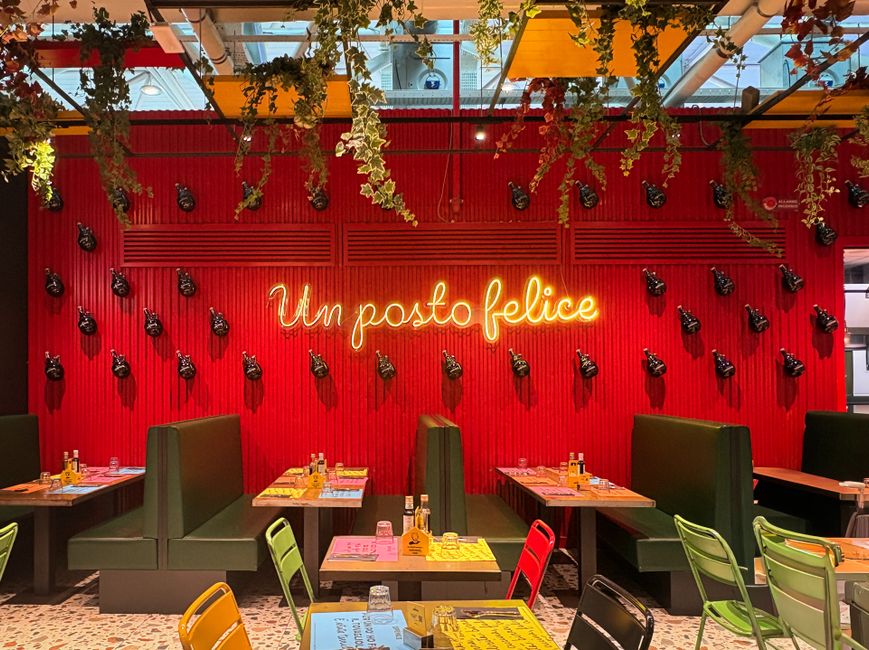
Before diving into the design process, it’s vital to have a clear understanding of your restaurant’s concept. Are you aiming for a casual dining experience, or is your focus on fine dining? Each concept demands a different approach to interior design. For instance, a fast-casual eatery might benefit from a vibrant and colorful scheme, while a fine dining restaurant may require a more subdued and elegant atmosphere.
Knowing your target audience is equally important. A family-friendly restaurant might include playful elements and comfortable seating, while a trendy café could incorporate modern art and sleek furniture. By aligning the design with the customer demographic, you can create an inviting environment that encourages patrons to return.
Layout and Flow
The layout of a restaurant is crucial for optimizing both customer experience and staff efficiency. An open floor plan can create a sense of spaciousness, whereas intimate seating arrangements may foster a cozy atmosphere. Consider the flow of movement within the space; it should allow for easy navigation for both customers and staff.
Incorporating designated areas, such as bar seating or private dining rooms, can enhance the dining experience. For example, if you have a bar area, it should be easily accessible from the main dining space. This not only improves customer service but also encourages patrons to enjoy drinks while waiting for their tables.
Color and Lighting
Color plays a significant role in influencing mood and perception. Warm tones, such as reds and oranges, can stimulate appetite, while cooler shades, like blues and greens, may create a calming atmosphere. When selecting a color palette, consider how it reflects the restaurant’s brand and culinary offerings.
Lighting is another critical element of restaurant interior design. It can dramatically alter the ambiance of a space. Soft, warm lighting is often preferred for fine dining, creating an intimate setting. In contrast, brighter lighting might be suitable for casual eateries, promoting a lively and energetic environment. Incorporating adjustable lighting options can also allow for flexibility, catering to different times of day and dining experiences.
Furniture and Decor
The choice of furniture is essential in establishing the overall aesthetic and functionality of the restaurant. Comfortable seating is crucial for encouraging patrons to linger and enjoy their meals. Additionally, the style of furniture should align with the restaurant’s theme; rustic wooden tables may suit a farm-to-table concept, while sleek metal chairs might appeal to a modern bistro.
Decor elements, such as artwork and plants, can enhance the atmosphere and reflect the restaurant’s identity. Consider incorporating local art to support community artists and provide a unique touch. Moreover, greenery can bring life to the space, improving air quality and creating a more inviting environment.
Technology Integration
In today’s digital age, integrating technology into restaurant interior design can greatly enhance the customer experience. From digital menus to contactless payment systems, technology can streamline operations and improve service efficiency. However, it’s essential to ensure that technology does not detract from the overall ambiance.
For instance, strategically placed screens displaying menus or promotions can be effective without overwhelming the space. Additionally, considerations for sound systems and acoustics can help maintain a pleasant dining environment, preventing excessive noise that can detract from the experience.
Conclusion
In conclusion, effective restaurant interior design is a multifaceted endeavor that requires careful consideration of various elements, from layout and color to furniture and technology. By understanding your concept and audience, you can create a space that not only attracts customers but also keeps them coming back for more. The right design can transform a simple meal into a memorable dining experience, making it a crucial aspect of any successful restaurant. For those looking for expert guidance in restaurant interior design, collaborating with experienced professionals can make all the difference in bringing your vision to life.