









The restaurant industry is not only about serving delicious food but also about creating an unforgettable dining experience. A well-designed restaurant interior can significantly influence customer satisfaction and retention. This article delves into the key elements of restaurant interior design, exploring how ambiance, layout, and decor contribute to an establishment’s success.
The Importance of Ambiance
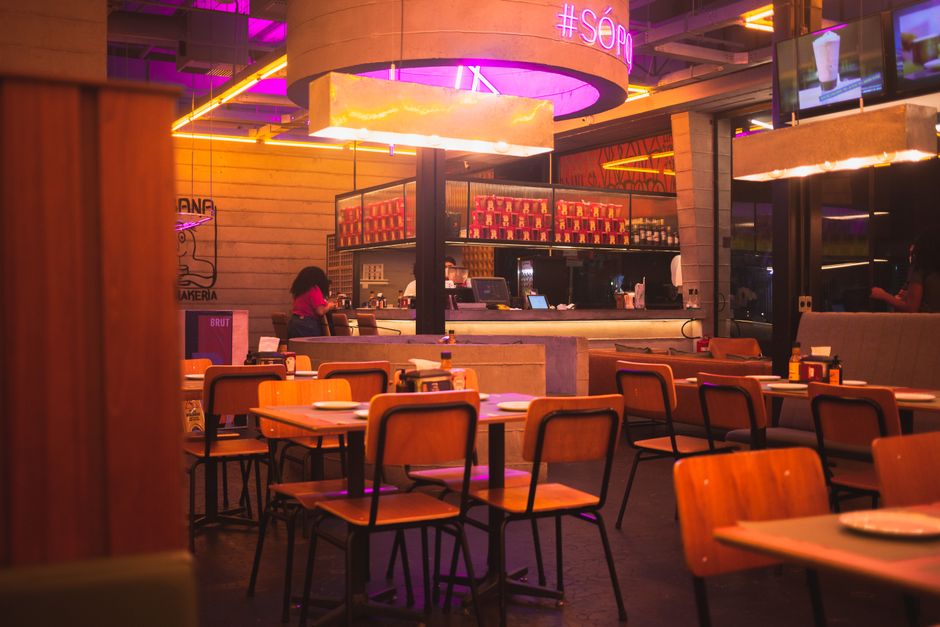
Ambiance is a vital factor in restaurant interior design. It encompasses elements such as lighting, color schemes, and music, all of which work together to create a specific atmosphere. For instance, a fine-dining restaurant might opt for dim lighting and soft, classical music to evoke a sense of elegance and intimacy. In contrast, a casual eatery may use bright colors and upbeat tunes to foster a lively and welcoming environment.
Studies have shown that the right ambiance can enhance the dining experience, with research indicating that customers are willing to spend more in a well-designed space. According to a survey conducted by the National Restaurant Association, 60% of diners stated that ambiance significantly affects their choice of restaurant. Therefore, understanding the importance of ambiance is crucial for restaurant owners aiming to attract and retain customers.
Layout and Flow
The layout of a restaurant is another critical aspect of interior design. A well-planned layout ensures a smooth flow of both customers and staff, maximizing efficiency and comfort. Restaurants must consider factors such as table spacing, kitchen access, and customer movement when designing their interiors.
For example, an open kitchen design can create a sense of transparency and engagement, allowing diners to watch their meals being prepared. This layout not only enhances the dining experience but also encourages interaction between customers and chefs. Additionally, ensuring enough space between tables can improve privacy and comfort, leading to longer stays and higher spending.
Choosing the Right Decor
Decor plays a significant role in reinforcing a restaurant’s brand identity. From wall art to furniture selection, every element should reflect the restaurant’s theme and target audience. For instance, a rustic-themed restaurant might incorporate reclaimed wood furniture, vintage decor, and earthy colors to create a cozy atmosphere.
Moreover, incorporating local art or cultural elements can resonate with the community, making the restaurant feel more relatable and inviting. This strategy not only enhances the visual appeal of the restaurant but also fosters a sense of belonging among patrons.
Functional and Aesthetic Considerations
While aesthetics are essential, functionality should never be overlooked in restaurant interior design. The furnishings should be comfortable yet durable, able to withstand the wear and tear of daily operations. Moreover, the color scheme should not only be visually appealing but also practical; for example, dark colors may hide stains better than lighter ones.
Furthermore, technology integration has become increasingly important in modern restaurant design. Features such as charging stations, digital menus, and efficient point-of-sale systems can enhance the customer experience and streamline operations. Balancing these functional elements with aesthetic considerations is key to successful restaurant interior design.
To understand the intricacies of restaurant interior design, consulting with professionals can provide valuable insights. Many design firms specialize in creating environments that enhance customer experience while maintaining operational efficiency. For more in-depth strategies and examples, you can explore restaurant interior design resources.
Conclusion: Designing for Success
In conclusion, the success of a restaurant heavily relies on its interior design. By focusing on ambiance, layout, decor, and functionality, restaurant owners can create spaces that not only attract customers but also keep them coming back. As the dining landscape continues to evolve, investing in thoughtful interior design will remain a crucial aspect of building a thriving restaurant business.