









In the competitive world of dining, the atmosphere of a restaurant plays a crucial role in attracting and retaining customers. A well-thought-out interior design not only enhances the dining experience but also reflects the restaurant’s brand identity. This article explores essential elements of restaurant interior design that can help create an inviting and memorable space.
Understanding the Importance of Interior Design
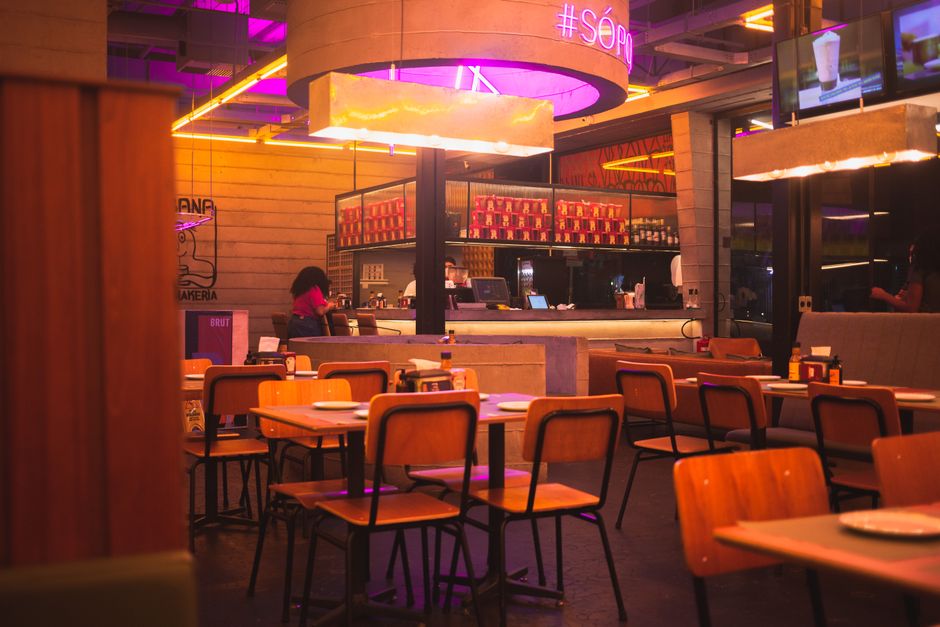
Restaurant interior design goes beyond aesthetics; it encompasses functionality, comfort, and the overall experience. The right design can influence customer behavior, encouraging them to stay longer and spend more. Research shows that a well-designed restaurant can increase customer satisfaction by up to 30%. This highlights the necessity of investing time and resources into thoughtful design.
Moreover, the ambiance created by the interior design can evoke emotions that lead to repeat visits. For instance, a warm, cozy environment can make diners feel relaxed, while a vibrant, modern space can attract a younger crowd. Understanding your target audience is key to tailoring your design to meet their expectations.
Key Elements of Restaurant Interior Design
1. **Color Palette**: The colors used in a restaurant can significantly impact the mood. Warm tones like reds and oranges can stimulate appetite, while cooler tones like blues can create a tranquil environment. Choosing the right color scheme is essential for setting the desired atmosphere.
2. **Lighting**: Lighting is another crucial aspect of interior design. It can enhance the dining experience by creating a specific mood. For example, dim lighting can provide an intimate setting, ideal for romantic dinners, while bright lighting is more suitable for casual dining. Incorporating various lighting sources, such as pendant lights, sconces, and candles, can add depth and character to the space.
3. **Furniture and Layout**: The choice of furniture should align with the restaurant’s theme and target demographic. Comfortable seating encourages patrons to linger, while strategic layout ensures efficient movement and service. Establishing a good flow can enhance operational efficiency and customer satisfaction.
Integrating Brand Identity into Design
Every restaurant has a unique brand identity that should be reflected in its interior design. This can be achieved through thematic elements, color schemes, and decor that tell a story. For instance, a farm-to-table restaurant might use rustic wood finishes and vintage decor to emphasize its organic approach.
Incorporating local art and culture can also strengthen the connection with the community and resonate with patrons. This not only enhances the dining experience but also fosters a sense of belonging, making customers more likely to return.
restaurant interior design trends often emphasize the need for flexibility. Spaces that can adapt to various functions, such as hosting events or accommodating larger groups, tend to be more successful.
Case Studies of Successful Restaurant Designs
Looking at successful restaurant designs can provide valuable insights. For example, the interior of a renowned pizza chain features an open kitchen concept, allowing diners to watch their food being prepared. This transparency not only engages customers but also builds trust in the quality of the food.
Another example is a high-end sushi restaurant that utilizes minimalist design to focus attention on the food. The combination of natural materials, subtle lighting, and an uncluttered layout creates a serene dining experience that complements the delicate flavors of the cuisine.
These case studies illustrate the diversity of approaches to restaurant interior design, where each choice is deliberate and aligned with the overall brand strategy.
Trends Shaping the Future of Restaurant Design
The restaurant industry is constantly evolving, and staying abreast of current trends is essential. Sustainability is becoming a significant focus, with many restaurants opting for eco-friendly materials and energy-efficient solutions. This not only appeals to environmentally conscious consumers but also reduces operational costs.
Technology integration is another trend that is shaping restaurant design. From digital menus to contactless payment systems, incorporating technology can streamline operations and enhance the customer experience. Designing spaces that accommodate these technologies without disrupting the overall aesthetic is crucial for modern restaurant design.
Additionally, outdoor dining spaces are gaining popularity, allowing restaurants to expand their capacity while providing a unique dining experience. Creative use of outdoor areas can attract more customers, especially in urban settings where space is limited.
Conclusion
In conclusion, effective restaurant interior design is a multifaceted endeavor that requires careful consideration of various elements. By understanding the importance of design, integrating brand identity, and staying updated with trends, restaurateurs can create inviting spaces that enhance the dining experience. A well-designed restaurant not only attracts customers but also fosters loyalty, making it a worthwhile investment for any restaurant owner.