









In today’s rapidly evolving urban landscape, architect firms play a crucial role in shaping the environments where we live, work, and play. As cities grow and change, the demand for innovative and sustainable architectural solutions is more pressing than ever. This article explores the multifaceted contributions of architect firms in contemporary society, touching on their design processes, sustainability practices, and their impact on local communities.
The Design Process: From Concept to Reality
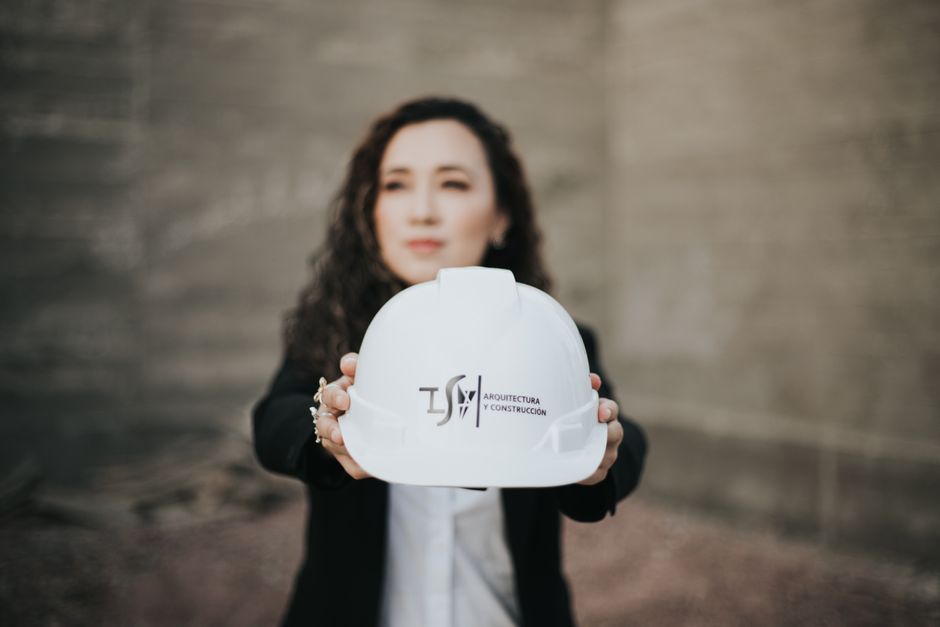
The journey of creating a building begins at the architect firm with a clear understanding of the client’s vision and requirements. Architects collaborate closely with clients to develop initial concepts, considering factors like functionality, aesthetics, and site context. This phase often involves sketching, 3D modeling, and simulations to visualize the project before it takes shape.
One of the key aspects of the design process is the integration of technology. Modern architect firms utilize advanced software tools such as Building Information Modeling (BIM) to enhance collaboration and efficiency. This technology allows architects to create detailed digital representations of their designs, facilitating better communication with clients and construction teams.
Moreover, the iterative nature of design means that feedback is invaluable. Regular reviews and adjustments ensure that the final product aligns with the original vision while meeting regulatory standards and budget constraints. In this context, architect firms serve not only as designers but as mediators, balancing creativity with practicality.
Sustainability: A Core Value of Modern Architecture
As environmental concerns continue to rise, architect firms are increasingly prioritizing sustainable practices in their projects. Sustainable architecture encompasses a range of strategies aimed at minimizing the ecological footprint of buildings. This includes the use of energy-efficient materials, renewable energy systems, and water conservation techniques.
For instance, many architect firms now incorporate green roofs and living walls into their designs, which not only improve insulation but also enhance urban biodiversity. According to a report by the U.S. Green Building Council, buildings designed with sustainability in mind can reduce energy consumption by up to 50% compared to conventional structures.
Additionally, the integration of sustainability into architectural design is not just beneficial for the environment; it also adds value to properties. Buildings that boast energy-efficient features often command higher resale prices and rental rates, making them attractive investments for developers and homeowners alike.
The Impact on Local Communities
Architect firms have a profound impact on the communities they serve. Beyond the physical structures they create, architects contribute to the social and cultural fabric of neighborhoods. Thoughtfully designed public spaces, for example, can foster community interaction and improve the quality of life for residents.
Case studies illustrate this effect; in many urban areas, architect firms have revitalized neglected neighborhoods through innovative designs that prioritize accessibility and inclusivity. Projects such as parks, community centers, and affordable housing are often the result of collaborative efforts between architects, local governments, and community organizations.
Furthermore, the role of architect firms extends to advocating for social equity in housing. By focusing on affordable and sustainable housing solutions, architects can address pressing social issues while enhancing urban environments.
The Future of Architecture: Trends and Innovations
The future of architecture is poised for exciting developments, driven by technological advancements and changing societal needs. For instance, the rise of smart cities is transforming the way urban spaces are designed and managed. Architect firms are increasingly considering the integration of Internet of Things (IoT) technologies into their projects, enabling buildings to adapt to the needs of their occupants.
Moreover, the trend towards modular construction is gaining traction, allowing for quicker and more efficient building processes. This method not only reduces waste but also provides a solution to the growing demand for housing in urban areas. Architect firms that embrace these trends are likely to lead the way in shaping the future of our cities.
In this context, architect firms are not just responders to current trends but also innovators shaping the future of urban living. Their ability to adapt and evolve will be key in meeting the challenges of tomorrow.
Conclusion: The Indispensable Role of Architect Firms
In summary, architect firms are vital to the development of modern urban spaces. Their expertise in design, commitment to sustainability, and positive impact on communities underscore their importance in today’s world. As we look to the future, the role of these firms will only become more significant as they navigate the complexities of urbanization and environmental challenges.
For anyone considering the complexities of architectural design and its implications on society, partnering with a knowledgeable architect firm can provide invaluable insights and solutions.