









In today’s digital age, music videos have become a crucial element of the music industry, serving as a powerful medium for artists to convey their messages, showcase their creativity, and connect with their audience. The production of these videos is not merely about filming a performance; it encompasses a wide range of skills, techniques, and artistic decisions that come together to create a compelling visual story. This article explores the various components of music video production, offering insights into the creative process, technical considerations, and the impact of these visual narratives on both artists and viewers.
The Creative Process Behind Music Videos
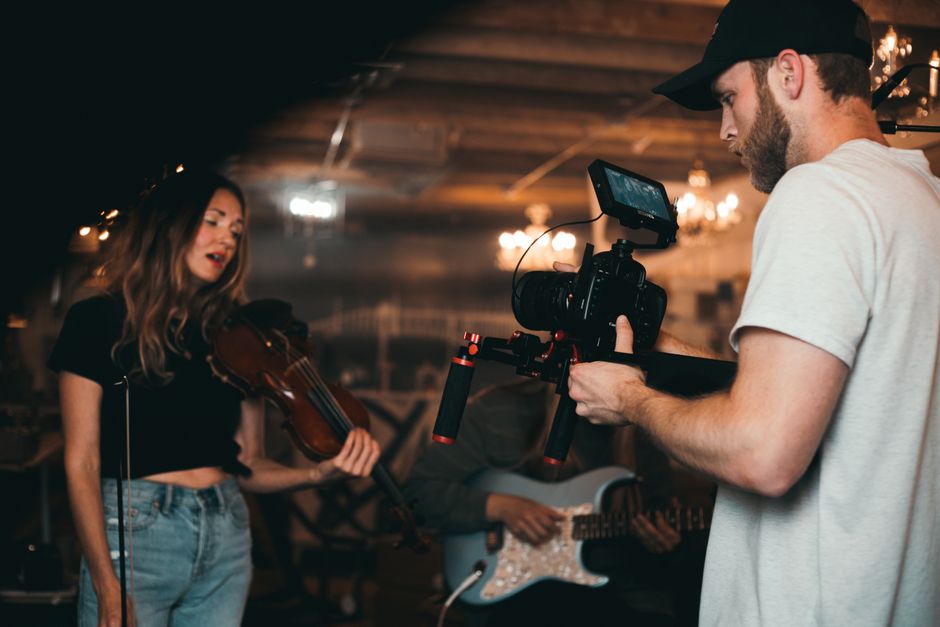
The journey of music video production begins with a concept. Artists and their teams brainstorm ideas that align with the song’s themes and lyrics. This phase often involves collaboration with directors, writers, and producers who bring their unique perspectives to the project. For instance, a music video for an upbeat pop song might focus on vibrant colors and energetic choreography, while a ballad might lean towards a more intimate storytelling approach.
Once the concept is finalized, storyboarding comes into play. This involves sketching out scenes to visualize how the video will unfold. Many successful directors emphasize the importance of this step, as it helps in planning shots and understanding the flow of the narrative. For example, the music video for “Thriller” by Michael Jackson is renowned for its intricate choreography and storytelling, demonstrating how careful planning can lead to iconic visuals.
Additionally, the selection of locations plays a pivotal role in the creative process. Filming in diverse settings can enhance the video’s aesthetic and emotional impact. For example, a scenic beach backdrop can evoke feelings of freedom and joy, whereas a gritty urban environment might add an element of rawness and authenticity.
Technical Aspects of Music Video Production
Technical proficiency is vital in music video production, as it determines the quality of the final product. Cinematography, lighting, and sound design are key elements that require careful consideration. The choice of camera equipment can significantly affect the video’s look and feel. High-definition cameras, drones, and stabilizers are often used to achieve cinematic effects that captivate viewers.
Lighting is another critical aspect that can transform a scene. Proper lighting techniques can enhance the mood, highlight subjects, and create depth. For instance, using backlighting can give a dreamy quality to a performance shot, while harsh, direct lighting might be used to convey tension or drama. Understanding these elements allows directors to craft visually stunning videos that resonate with audiences.
Moreover, sound design is essential, even in music videos. Syncing audio with visual elements must be precise to ensure a seamless viewer experience. This involves not only the song itself but also any sound effects or ambient noise that may enhance the storytelling. The collaboration between sound engineers and video editors is crucial in this regard.
The Role of Editing in Music Video Production
Editing is where the magic happens in music video production. This phase involves piecing together the footage to create a cohesive narrative that complements the song. Editors work closely with directors to ensure the pacing and rhythm of the video align with the music. Quick cuts and transitions can enhance the energy of a fast-paced song, while longer, more deliberate cuts might suit a slower ballad.
Visual effects (VFX) also play a significant role in modern music videos. Many artists incorporate graphics and animations to add a unique flair to their visuals. For example, the use of CGI in the music video for “Sledgehammer” by Peter Gabriel showcased innovative techniques that captivated audiences and set new standards for music video production.
Furthermore, color grading is an essential part of the editing process that can dramatically affect the video’s overall tone. Adjusting colors can evoke certain emotions and create a specific atmosphere, making it a powerful tool in storytelling.
The Impact of Music Videos on Artists and Audiences
The impact of music videos extends beyond mere entertainment; they serve as a marketing tool for artists and can significantly influence their careers. A well-produced music video can propel a song to viral status, reaching millions of viewers across platforms like YouTube and social media. For instance, the music video for “Despacito” became a global sensation, showcasing how effective visual storytelling can enhance a song’s reach and popularity.
Furthermore, music videos allow artists to express their identities and connect with their fanbase on a deeper level. The visual representation of their art can resonate with fans, creating a sense of community and shared experience. As viewers engage with these videos, they often form emotional connections to the music and the artist, fostering loyalty and support.
In addition, the evolution of technology and social media has transformed how music videos are consumed. Platforms like TikTok have introduced new trends in music video production, encouraging artists to create shorter, more engaging clips that cater to audience preferences. This shift highlights the importance of adaptability in the industry, as artists and producers must stay ahead of evolving consumer behavior.
Conclusion
Music video production is a dynamic and multifaceted process that combines creativity and technical expertise to create captivating visual narratives. From the initial concept to the final edit, each step plays a crucial role in bringing an artist’s vision to life. As the music industry continues to evolve, the importance of high-quality music videos will likely remain a cornerstone of artistic expression and audience engagement. For those looking to delve into the world of music video production, understanding these elements is essential for creating impactful and memorable visuals.