









In the rapidly evolving realm of technology, artificial intelligence (AI) has emerged as a transformative force across various sectors. One of the most intriguing applications of AI is in the domain of image detection. AI image detectors are revolutionizing how we analyze and interpret visual data, offering unprecedented accuracy and efficiency. This article delves into the functionalities, applications, and future prospects of AI image detectors, elucidating their growing importance in today’s digital landscape.
Understanding AI Image Detectors
AI image detectors utilize advanced algorithms to analyze and classify images automatically. These systems rely on machine learning models trained on vast datasets, enabling them to recognize patterns and features distinct to various objects or scenes. For instance, an AI image detector can discern between a cat and a dog with greater precision than traditional methods. The technology operates by extracting features from images, such as edges, textures, and colors, and then comparing these features against its trained dataset.
One of the significant advancements in AI image detection is the use of convolutional neural networks (CNNs). CNNs are specifically designed for image processing tasks and have proven to be remarkably effective in identifying objects in complex scenes. According to a report by Gartner, the accuracy of AI image detectors has improved by over 30% in the last few years, underscoring the rapid advancements in this field.
The applications of AI image detectors span numerous industries, from healthcare to automotive. In healthcare, for example, AI is being used to analyze medical images, helping radiologists detect diseases like cancer earlier and with greater accuracy. Similarly, in the automotive sector, AI image detectors play a crucial role in the development of autonomous vehicles, enabling them to interpret their surroundings effectively.
Applications in Digital Security
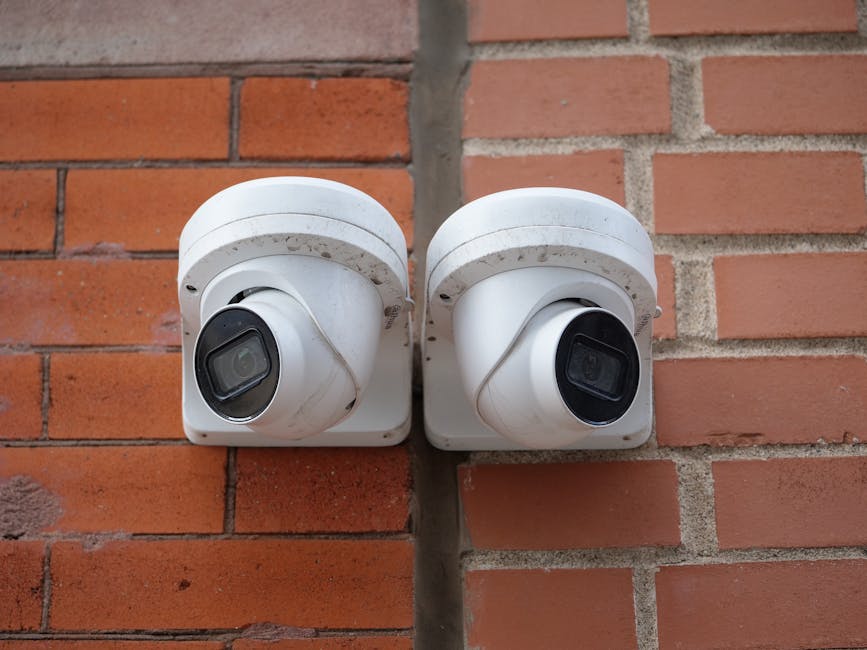
One of the most critical applications of AI image detectors is in enhancing digital security. As cyber threats become increasingly sophisticated, traditional security measures are often inadequate. AI image detectors can analyze surveillance footage in real-time, identifying unusual behaviors or unauthorized access attempts. This capability is invaluable for businesses and organizations looking to bolster their security protocols.
For instance, security systems equipped with AI image detectors can distinguish between regular and suspicious activities, significantly reducing false alarms and enhancing response times. A survey by the International Security Association revealed that companies using AI-enhanced surveillance systems reported a 40% decrease in security breaches compared to those relying solely on traditional methods.
Furthermore, AI image detectors can also contribute to fraud prevention in sectors like banking. By analyzing images of checks and identification documents, these systems can detect alterations or forgeries with remarkable accuracy, protecting financial institutions from potential losses.
Challenges and Limitations
Despite their many advantages, AI image detectors face several challenges. One notable issue is the need for extensive and diverse datasets for training. Without sufficient data, these systems may exhibit biases or inaccuracies, leading to incorrect classifications. For example, an AI image detector trained predominantly on images of certain ethnic groups might struggle to accurately identify individuals from underrepresented backgrounds.
Moreover, the privacy implications of using AI image detectors are significant. The ability to analyze images in real-time raises concerns about surveillance and data misuse. As such, it is imperative for organizations employing this technology to adhere to ethical guidelines and ensure compliance with privacy regulations.
Additionally, the integration of AI image detectors into existing systems can be complex and costly. Organizations must invest in the necessary infrastructure and training to fully leverage the potential of these technologies.
The Future of AI Image Detection
Looking ahead, the future of AI image detection appears promising. Continuous advancements in machine learning and computer vision will likely lead to even more sophisticated detectors capable of understanding context and nuance in images. For example, future AI image detectors may not only identify objects but also interpret their interactions within a scene, providing deeper insights into visual data.
Furthermore, as industries increasingly adopt AI technologies, the demand for skilled professionals in this field will rise. Educational institutions are beginning to offer specialized programs in AI and machine learning, preparing the next generation of experts to tackle the challenges and opportunities presented by this evolving landscape.
Moreover, the integration of AI image detectors with other emerging technologies, such as the Internet of Things (IoT) and blockchain, could open new avenues for innovation. For instance, using AI image detectors in conjunction with IoT devices can lead to smarter cities, where surveillance systems can communicate and share data seamlessly to enhance public safety.
Conclusion
AI image detectors represent a significant leap forward in our ability to analyze and interpret visual information. Their applications in various sectors, particularly in enhancing digital security, are proving to be invaluable. However, as with any technology, it is essential to navigate the challenges and ethical considerations associated with their use. As we continue to innovate and refine these systems, the potential for AI image detectors to transform industries and improve our daily lives is immense. For those interested in exploring AI image detection further, resources such as ai image detector offer valuable insights and tools.