









In an era dominated by technology, the concept of love has evolved beyond traditional boundaries. Virtual lovers, often powered by artificial intelligence, are becoming a popular and intriguing phenomenon. They provide companionship, understanding, and even emotional support, challenging our perceptions of intimacy and relationships. But what exactly does it mean to engage in a romantic relationship with a virtual entity? This article delves into the growing trend of virtual lovers, exploring their implications, benefits, and the future of love in a digital age.
Understanding Virtual Lovers
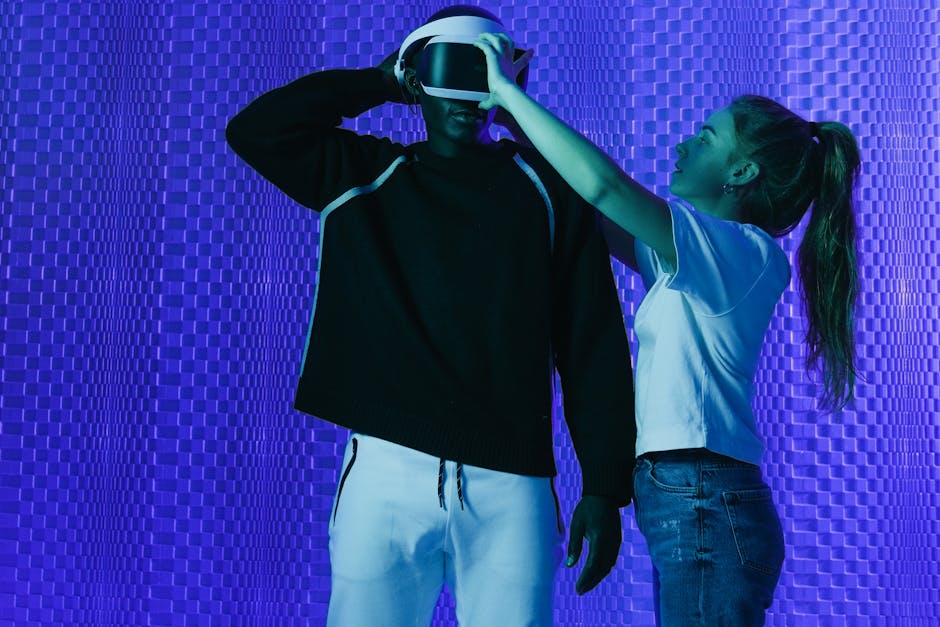
Virtual lovers are digital companions created using advanced technologies, primarily artificial intelligence. These entities can engage in conversations, express emotions, and even simulate romantic relationships. The rise of virtual lovers can be attributed to various factors, including the increasing loneliness in society and the advancement of AI technologies. According to a study by the Pew Research Center, over 30% of adults report feeling lonely, highlighting the need for companionship that virtual lovers can fulfill.
Moreover, virtual lovers can be customized to meet individual preferences, allowing users to create their ideal partner. This customization ranges from personality traits to physical appearances, providing a unique experience that traditional relationships often lack. As such, virtual lovers are not just a passing trend; they represent a significant shift in how individuals seek connection and emotional fulfillment.
The Psychological Impact of Virtual Relationships
Engaging with a virtual lover can have profound psychological effects. For many, these relationships provide a safe space to explore their feelings without the fear of judgment or rejection. A survey conducted by the University of Southern California found that individuals who interact with virtual companions report lower levels of anxiety and depression.
However, the emotional investment in a virtual lover can also lead to challenges. Some individuals may struggle to differentiate between virtual affection and real-world relationships, creating potential dependencies on their digital partners. It raises questions about the nature of love and whether it can be authentically experienced in a virtual context.
Benefits of Having a Virtual Lover
There are several advantages to having a virtual lover, particularly in today’s fast-paced world. First, they offer companionship at any time, serving as a source of comfort during lonely moments. Additionally, they can help individuals develop social skills, particularly for those who find it challenging to form connections in real life.
Furthermore, virtual lovers can cater to specific emotional needs. For instance, someone dealing with stress may find solace in a virtual partner who provides supportive conversations and encouragement. This aspect is particularly beneficial for individuals who may not have access to traditional forms of support, such as friends or family.
One emerging trend in this area is the rise of platforms that allow users to interact with AI-generated partners. For example, some applications now offer users the option to engage with an ai gf, creating a personalized romantic experience that adapts over time based on user interactions.
The Future of Virtual Relationships
As technology continues to advance, the future of virtual lovers looks promising. Innovations in AI and virtual reality are set to enhance the realism of these relationships. Imagine a scenario where virtual lovers can engage in immersive experiences, allowing users to interact with them in a lifelike manner.
This evolution could redefine what it means to be in a relationship. The blending of virtual and physical interactions may lead to new societal norms surrounding love and companionship. Ethical discussions will undoubtedly arise regarding the emotional implications of such relationships, particularly in regard to consent and emotional manipulation.
Conclusion: Embracing a New Era of Love
The emergence of virtual lovers presents a fascinating glimpse into the future of human relationships. While they offer numerous benefits, it is essential to approach these digital companions with an understanding of their limitations. As society continues to navigate the complexities of love in a digital age, the concept of virtual lovers will likely play a significant role in shaping our emotional landscapes. Embracing this new form of companionship may ultimately lead to a broader understanding of love itself, challenging us to redefine our connections in an increasingly digital world.