









When it comes to dining experiences, the interior design of a restaurant plays a pivotal role in attracting guests and enhancing their overall experience. A well-thought-out restaurant interior design can create a unique atmosphere that aligns with the restaurant’s theme and concept, ultimately influencing customer satisfaction and retention. In this article, we will explore the essential elements of restaurant interior design, the latest trends in the industry, and how to create a space that not only looks good but also feels welcoming.
The Importance of Restaurant Interior Design
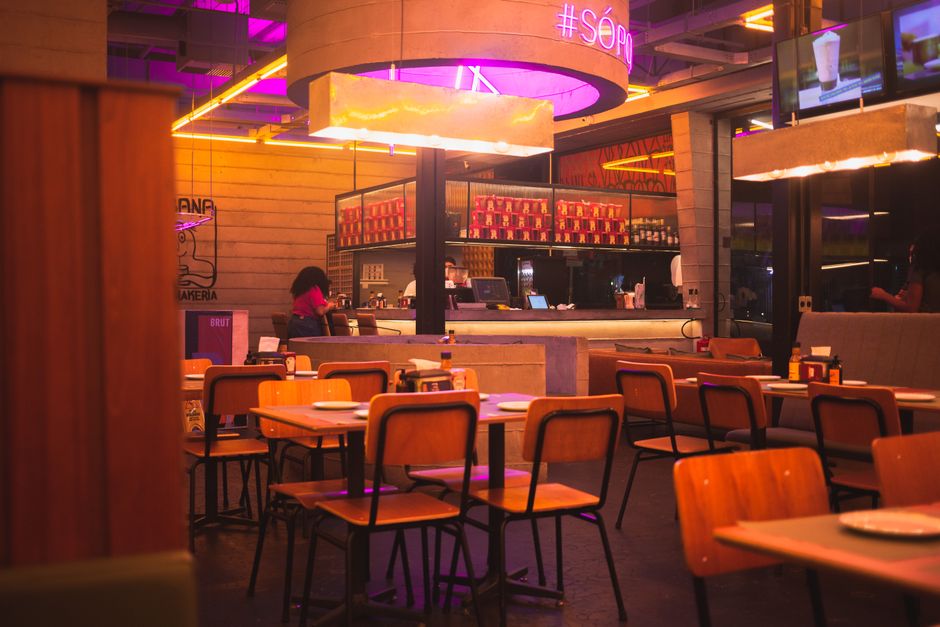
Restaurant interior design is not just about aesthetics; it is about creating a functional space that supports the restaurant’s operations while also providing a comfortable dining experience. According to a study by the National Restaurant Association, about 60% of diners say that the atmosphere of a restaurant is a significant factor in their decision to return. This statistic highlights the necessity of investing in effective interior design that resonates with the target audience.
Furthermore, the layout of a restaurant can impact the flow of service. A well-designed space allows for efficient movement of staff and patrons, reducing wait times and enhancing overall satisfaction. Elements such as seating arrangements, lighting, and décor can be strategically planned to maximize both comfort and functionality.
Key Elements of Successful Restaurant Interior Design
Several key elements contribute to a successful restaurant interior design. Firstly, the color scheme plays a crucial role in setting the mood. Warm colors like red and orange can stimulate appetite and conversation, while cooler colors like blue and green can create a calm and relaxed atmosphere.
Secondly, lighting is another essential factor. Different areas of a restaurant may require varying levels of brightness. For example, dim lighting can create an intimate setting for romantic dinners, while brighter lighting may be suitable for family-friendly establishments. Incorporating natural light through large windows or skylights can also enhance the dining experience by connecting guests with the outdoors.
Moreover, furniture selection should align with the restaurant’s theme. Comfort is key; therefore, selecting ergonomic seating options can keep guests relaxed during their meals. Additionally, the use of unique furniture pieces can serve as focal points within the space, adding character and charm.
Current Trends in Restaurant Interior Design
The restaurant industry is continuously evolving, and so are the trends in interior design. One of the most prominent trends is the incorporation of sustainable materials. Many restaurants are opting for eco-friendly options such as reclaimed wood, bamboo, and recycled metals. This not only appeals to environmentally conscious consumers but also adds a rustic charm to the space.
Another trend is the use of technology in the design process. From virtual reality tools that allow for immersive design experiences to smart lighting systems that can be controlled via apps, technology is reshaping how restaurants are designed and experienced. Additionally, open kitchen concepts are gaining popularity, allowing diners to witness the culinary process, creating a more interactive experience.
Creating a Memorable Brand Identity Through Design
A restaurant’s interior design is a powerful tool for establishing a brand identity. Every design choice should reflect the restaurant’s concept and values. For instance, a fine dining restaurant may opt for elegant furnishings and muted tones, while a casual eatery might feature vibrant colors and playful décor.
Moreover, storytelling through design can enhance the dining experience. Incorporating local art, historical elements, or cultural references can create a sense of place and connection with the community. This not only enriches the atmosphere but also encourages patrons to share their experiences on social media, further promoting the restaurant.
To achieve a cohesive and memorable design, many restaurant owners seek the expertise of professionals in the field of restaurant interior design. Collaborating with designers who understand the nuances of the industry can lead to innovative solutions that elevate the dining experience.
Conclusion
In conclusion, restaurant interior design is an integral aspect of creating a successful dining establishment. By focusing on key elements such as color, lighting, furniture, and brand identity, restaurant owners can create inviting spaces that resonate with their target audience. Staying updated with current trends and leveraging the expertise of design professionals can further enhance the overall experience, ensuring that customers not only enjoy their meals but also return for more. As the dining landscape continues to evolve, embracing thoughtful design will remain a fundamental aspect of success in the restaurant industry.