









Restaurant interior design is a crucial aspect of creating not just a dining space, but an entire experience for customers. The ambiance of a restaurant can significantly influence the overall perception of the food and service. As diners increasingly seek unique experiences, the importance of thoughtful and innovative interior design cannot be overstated. In this article, we will explore key elements of restaurant interior design, trends shaping the industry, and practical tips for designing a captivating restaurant space.
Understanding the Fundamentals of Restaurant Interior Design
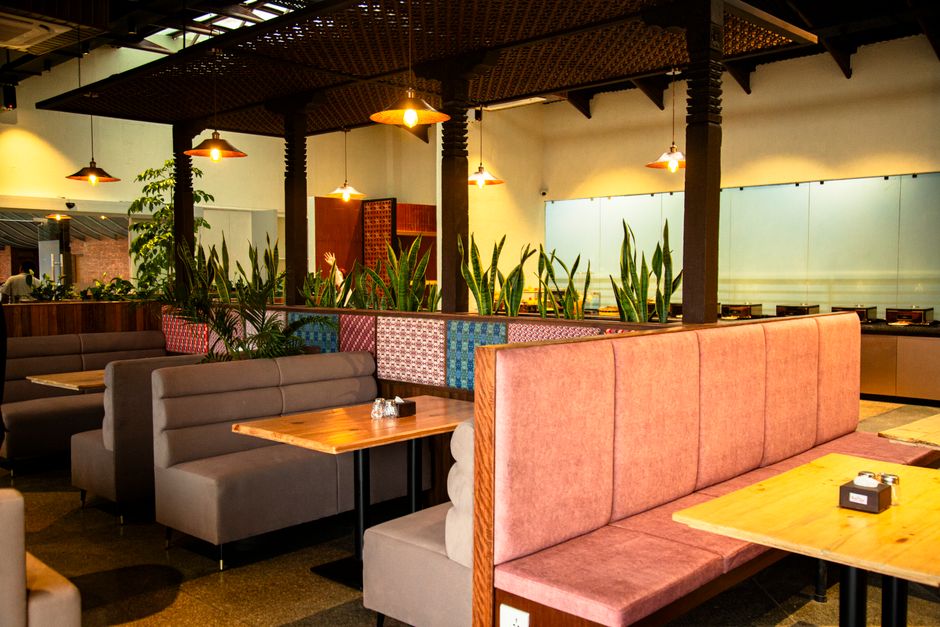
At its core, restaurant interior design is about creating a cohesive atmosphere that aligns with the restaurant’s concept and target audience. Several fundamental elements contribute to this, including layout, color scheme, lighting, and furnishings. For instance, a casual eatery may favor vibrant colors and comfortable seating, while a fine dining establishment might opt for a more muted palette and elegant decor.
The layout is especially critical in restaurants, as it affects both customer flow and staff efficiency. An open layout can encourage social interaction among diners, while a more segmented design can provide intimacy. It’s essential to balance these aspects to create an inviting environment.
Moreover, the choice of materials used in the interior design can greatly impact the perception of quality and care in the establishment. Natural materials like wood and stone often convey warmth and authenticity, while sleek metals and glass can create a modern and sophisticated feel.
Current Trends in Restaurant Interior Design
As the dining landscape evolves, so do the trends in restaurant interior design. One notable trend is the incorporation of sustainability into design choices. Restaurants are increasingly using reclaimed materials, energy-efficient lighting, and eco-friendly furnishings to appeal to environmentally conscious consumers.
Another significant trend is the integration of technology into the dining experience. Restaurants are now utilizing smart lighting systems, digital menus, and even augmented reality to enhance customer engagement. These technologies not only improve the dining experience but also streamline operations for staff.
Additionally, biophilic design—incorporating natural elements into the interior—is gaining popularity. This includes features like living walls, indoor gardens, and large windows that allow natural light to flood the space. Such elements not only create a pleasant atmosphere but also promote well-being among diners.
Practical Tips for Effective Restaurant Interior Design
When embarking on a restaurant interior design project, several practical tips can guide the process. First, it’s essential to define a clear concept that reflects the restaurant’s brand identity. This concept will inform every design decision, from color palettes to furniture choices.
Second, paying attention to the flow of the space is vital. Ensure that there’s a logical progression from the entrance to the dining area, and consider the placement of furniture to facilitate easy movement for both customers and staff.
Moreover, investing in quality lighting can dramatically alter the mood of a restaurant. Layered lighting—combining ambient, task, and accent lighting—can create a dynamic environment that adjusts to different times of the day and dining experiences.
Lastly, do not overlook the importance of comfort. Comfortable seating can encourage diners to linger longer, increasing the likelihood of repeat visits. Balancing aesthetics with functionality will lead to a more successful design.
Case Studies: Successful Restaurant Interiors
Examining successful restaurant interiors can provide valuable insights into effective design strategies. For example, a well-known farm-to-table restaurant in California features an open kitchen design that allows diners to see the food preparation process. This transparency fosters trust and enhances the dining experience.
Another example is a themed restaurant that uses immersive decor to transport diners to another world. By integrating props, sound effects, and even staff costumes, the restaurant creates an unforgettable experience that goes beyond food.
Moreover, a popular urban café embraces a minimalist approach, focusing on clean lines and a neutral color palette. This choice not only appeals to modern aesthetics but also allows the food and drinks to take center stage.
Conclusion: The Future of Restaurant Interior Design
The future of restaurant interior design is bright, as more restaurateurs recognize the importance of creating engaging spaces that resonate with their patrons. As trends continue to evolve, the ability to adapt and innovate will be key to standing out in a competitive market.
By prioritizing thoughtful design choices, restaurants can enhance customer experiences, improve operational efficiency, and ultimately drive success. Whether through sustainable materials, modern technology, or unique themes, the art of restaurant interior design remains a dynamic and exciting field that is ever-evolving.
For those looking to delve deeper into the world of restaurant interior design, professionals like Kuchar Studio offer invaluable resources and services to help bring visions to life. Explore more about restaurant interior design and how it can transform your dining space.