









The interior design of a restaurant plays a crucial role in creating an inviting atmosphere that encourages customers to dine and linger. A well-thought-out design not only enhances the aesthetic appeal but also contributes to the overall dining experience. As competition increases in the food industry, restaurant owners must pay close attention to the details of their interiors to stand out. In this article, we will explore the key elements of effective restaurant interior design.
Understanding the Importance of Atmosphere
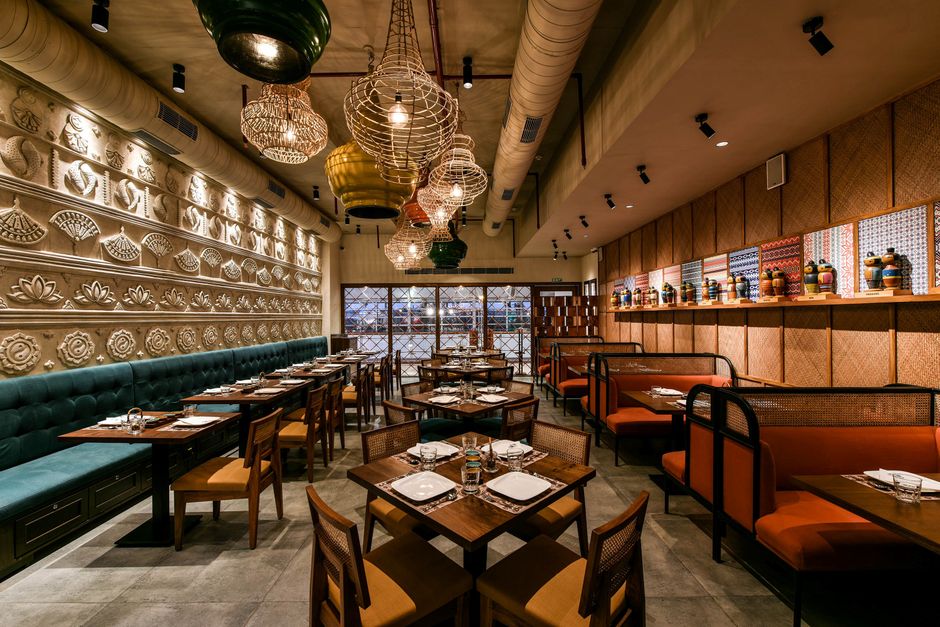
Atmosphere is perhaps the most significant aspect of restaurant interior design. It encompasses everything from lighting and color schemes to furniture and layout. A well-crafted atmosphere can evoke emotions and influence customer behavior. According to a study by the Cornell University School of Hotel Administration, the ambiance of a restaurant is a primary factor in determining customer satisfaction.
The right combination of lighting can create a cozy and intimate setting, while brighter lights can energize the space for more casual dining experiences. Similarly, colors can drastically affect how customers perceive a restaurant. For instance, warm colors like red and orange can stimulate appetite, making them popular choices for many dining establishments.
Moreover, the layout of the restaurant should facilitate movement and comfort. A well-planned space allows for easy navigation, while also creating private or semi-private areas that encourage conversation. This is where skilled restaurant interior design comes into play, as it combines functionality with aesthetic appeal.
Choosing the Right Theme
The theme of a restaurant should reflect its cuisine and target demographic. A cohesive theme not only enhances the dining experience but also communicates the restaurant’s identity to customers. For example, a rustic Italian trattoria may feature wooden tables, vintage decor, and soft lighting to give off a warm and inviting vibe.
On the other hand, a modern sushi bar might incorporate sleek lines, minimalist decor, and a monochromatic color palette to convey sophistication. The chosen theme should guide decisions on materials, furnishings, and even staff uniforms, ensuring that every element is in harmony.
Utilizing local art and cultural elements can also enhance a restaurant’s theme, creating a unique identity that differentiates it from competitors. This is particularly effective for restaurants aiming to attract tourists or those looking to celebrate local culture.
Incorporating Functionality and Flexibility
Functionality is a critical aspect of restaurant interior design that should not be overlooked. The space must accommodate various activities, from dining and socializing to hosting events. Flexibility in design allows restaurants to adapt to changing needs, such as accommodating larger groups or setting up for private functions.
For instance, movable furniture can provide the versatility needed for different dining experiences. Tables that can be rearranged easily can create an inviting atmosphere for large parties or intimate dinners, depending on the day and time. Additionally, incorporating technology, such as charging stations and Wi-Fi access, can enhance customer satisfaction and encourage longer visits.
Moreover, the kitchen’s layout should be carefully considered as it directly impacts the staff’s efficiency and the overall service speed. An open kitchen design can also serve as an engaging focal point for diners, adding an interactive element to the dining experience.
Utilizing Sustainable Practices
With a growing awareness of environmental issues, many restaurants are turning to sustainable practices in their interior design. This not only helps the environment but can also attract a conscious consumer base. Using recycled materials, energy-efficient lighting, and sustainable furnishings are great ways to create a responsible dining environment.
Incorporating plants and greenery can also promote a sense of well-being and enhance air quality, making the space more inviting. Biophilic design, which seeks to connect occupants with nature, is becoming increasingly popular in restaurant settings. Not only does it create a soothing atmosphere, but it also can improve customer satisfaction.
Furthermore, promoting sustainability can extend to the menu as well. Restaurants that source locally and use seasonal ingredients often appeal to environmentally conscious diners, creating a cohesive message and experience.
Final Thoughts on Restaurant Interior Design
In conclusion, restaurant interior design is a multifaceted discipline that requires careful consideration of various elements. From creating the right atmosphere and choosing an appropriate theme to ensuring functionality and incorporating sustainable practices, every choice impacts the overall dining experience. As the restaurant industry continues to evolve, staying informed about design trends and consumer preferences will be essential for maintaining a competitive edge.
Investing in professional restaurant interior design can yield significant returns, enhancing customer satisfaction and ultimately driving revenue. By prioritizing design, restaurant owners can create spaces that not only attract customers but also foster lasting memories.