









In recent years, aerial drone photography has transformed the way we capture and interpret our surroundings. With advancements in technology, drones have become accessible to both professionals and hobbyists, allowing for breathtaking perspectives that were once only possible from helicopters or planes. This article explores the various facets of aerial drone photography, from its applications to tips for capturing stunning shots.
The Rise of Aerial Drone Photography
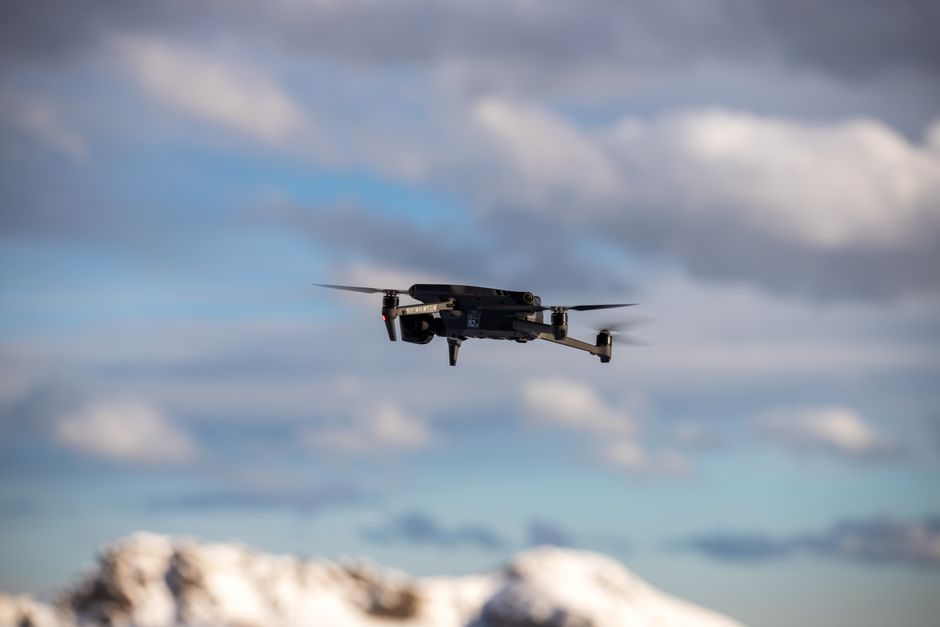
Aerial drone photography has seen exponential growth since its inception. According to a report by the Federal Aviation Administration (FAA), the number of registered drones in the United States reached over 1.7 million in 2021, showcasing the increasing popularity of this technology. Drones provide a unique vantage point, enabling photographers to capture landscapes, events, and structures from angles that were previously unattainable.
One of the primary reasons for this growth is the affordability of drones. Models that were once cost-prohibitive are now available for enthusiasts at reasonable prices. For instance, the DJI Mini series offers compact drones equipped with high-quality cameras, making aerial photography accessible to a broader audience.
Applications of Aerial Drone Photography
The applications of aerial drone photography are vast and varied. In the real estate industry, agents use aerial shots to showcase properties from stunning angles, highlighting features such as expansive yards and nearby amenities. Aerial photography has proven to be a game-changer, with listings featuring drone footage receiving up to 70% more inquiries than those without.
In addition to real estate, aerial photography is extensively used in agriculture. Farmers utilize drones to monitor crop health, assess irrigation needs, and optimize yield. A study by the Agricultural Drone Market projected that the market would grow to $4.4 billion by 2025, driven by the increasing adoption of drone technology in farming.
Techniques for Capturing Stunning Aerial Shots
To achieve breathtaking aerial images, photographers must master several techniques. First and foremost, understanding the drone’s capabilities is crucial. Each model has specific features, such as flight time, camera quality, and stabilization systems, which can significantly impact the final image quality.
Additionally, selecting the right time of day for shooting can enhance the overall aesthetic. The golden hour, which occurs shortly after sunrise and before sunset, provides soft, warm light that can dramatically improve the quality of aerial photographs.
Moreover, incorporating leading lines and layering can add depth to aerial shots. For instance, capturing roads, rivers, or pathways can guide the viewer’s eye through the image, creating a more engaging composition.
Legal Considerations in Aerial Drone Photography
While the allure of aerial photography is undeniable, it is essential to be aware of the legal considerations involved. In the United States, drone operators must adhere to the FAA regulations, which include obtaining a remote pilot certificate for commercial use and following specific flight rules.
Additionally, respecting privacy is paramount. Photographers should be mindful of where they are flying their drones and ensure they are not infringing on private property or capturing images of individuals without their consent. This ethical approach not only protects photographers legally but also fosters goodwill within the communities they operate in.
The Future of Aerial Drone Photography
The future of aerial drone photography looks promising, with ongoing advancements in technology. Innovations such as artificial intelligence and machine learning are being integrated into drones, enabling them to perform automated tasks, such as tracking subjects or optimizing camera settings based on environmental conditions.
Moreover, the potential for aerial drone photography in sectors like cinematography, environmental monitoring, and disaster management is immense. As drones become more sophisticated, they will continue to play a vital role in various industries, providing unique insights and enhancing visual storytelling.
For those interested in exploring the world of aerial photography, resources and communities are abundant. Engaging with fellow enthusiasts and professionals can provide valuable insights and tips. Platforms dedicated to aerial photography, such as forums and social media groups, foster collaboration and knowledge sharing.
Lastly, for those seeking expert services in aerial photography, companies like aerial drone photography offer professional-grade solutions for various needs, ensuring high-quality results.
Conclusion
Aerial drone photography is not just a trend; it is a revolution in the way we capture and perceive our world. With its increasing accessibility and diverse applications, it has become an indispensable tool for photographers and industries alike. By understanding the techniques, legal considerations, and future possibilities, anyone can embark on their aerial photography journey and create captivating visuals that tell compelling stories.