









In recent years, the push for sustainable agriculture has significantly increased interest in organic farming. Farmers are now more than ever looking for reliable organic farming supplies to ensure their practices are both environmentally friendly and productive. This article delves into the essentials of organic farming supplies, their importance, and how they contribute to a healthier ecosystem and healthier food options for consumers.
Understanding Organic Farming
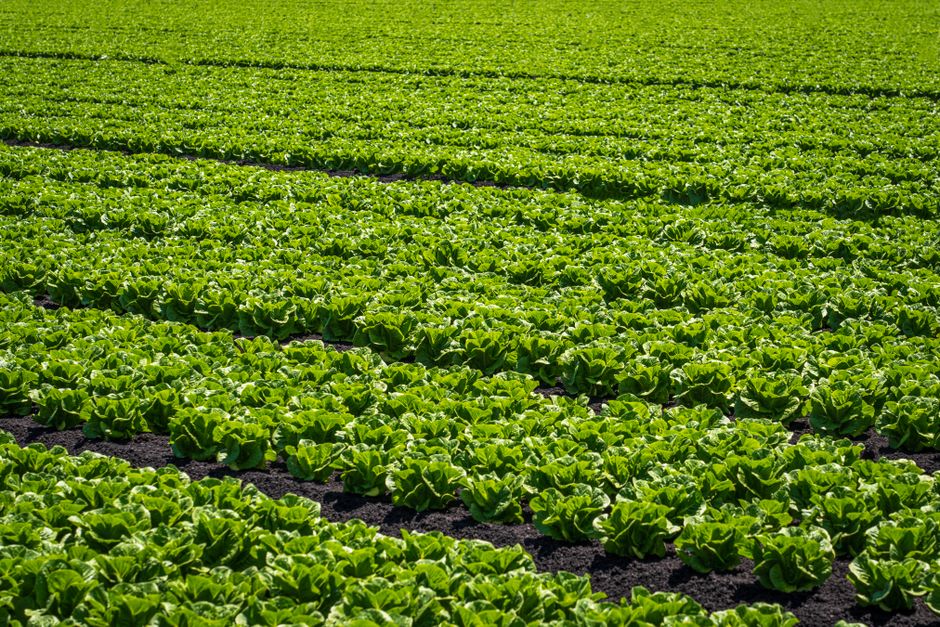
Organic farming is a method that emphasizes the use of natural processes and materials to grow crops and raise livestock. It avoids synthetic fertilizers, pesticides, and genetically modified organisms. Instead, it relies on crop rotation, green manure, compost, and biological pest control. According to the Organic Trade Association, organic food sales have grown over 10% annually, indicating a rising consumer demand for sustainably sourced products.
The foundation of successful organic farming lies in the use of appropriate supplies, which can include seeds, soil amendments, pest control solutions, and tools. Each of these components plays a critical role in maintaining the health of the soil and the crops.
Essential Organic Farming Supplies
When it comes to organic farming supplies, several key items are essential for any farmer looking to transition to or maintain organic practices. First and foremost are organic seeds, which are crucial for starting any organic farm. These seeds are produced without the use of synthetic fertilizers or pesticides and can often be found through specialty suppliers.
Next, soil health is paramount in organic farming. Farmers often utilize compost, which enriches the soil with nutrients, improving plant growth while also enhancing soil structure. Additionally, organic fertilizers, such as bone meal or fish emulsion, can provide essential nutrients without the harmful chemicals found in conventional fertilizers.
Moreover, pest control is another critical area where organic farming supplies are vital. Natural pest control methods, such as introducing beneficial insects or using neem oil, can effectively manage pest populations without resorting to harmful chemicals. Understanding how to integrate these supplies into a farming practice is essential for sustainable yields.
Where to Source Organic Farming Supplies
Finding reliable sources for organic farming supplies can sometimes be a challenge. Many farmers turn to local agricultural co-ops or specialty organic suppliers for their needs. Online platforms have also emerged as a fantastic resource for sourcing organic materials. Websites dedicated to organic farming can provide a wide range of products, from seeds to organic pest control solutions, making it easier for farmers to find everything they need in one place. For instance, organic farming supplies can be conveniently accessed online, allowing farmers to compare products and prices efficiently.
Additionally, farmers can benefit from networking with other organic farmers. Local farmer’s markets or agricultural fairs provide opportunities to exchange knowledge and resources, and farmers can often learn about reputable suppliers from their peers.
Cost Considerations for Organic Supplies
One of the common concerns surrounding organic farming is the cost of organic supplies. Generally, organic products can be more expensive than their conventional counterparts due to the labor-intensive processes involved in their production. However, it is essential to consider the long-term benefits of investing in organic farming supplies.
Studies have shown that organic farming can lead to improved soil health over time, resulting in lower costs for inputs such as fertilizers and pesticides. Furthermore, organic produce often commands a higher price in the market, which can offset the initial investment in supplies. Farmers who embrace organic practices often find that the increased consumer demand for organic products leads to greater profitability in the long run.
The Future of Organic Farming Supplies
The future of organic farming supplies looks promising as technology and innovation continue to evolve. Advances in sustainable farming techniques, such as precision agriculture and biopesticides, are becoming more accessible to farmers, enhancing the efficiency and effectiveness of organic farming practices.
Moreover, as consumer awareness about health and environmental issues grows, the demand for organic products is expected to rise. This trend will likely lead to increased investment in organic farming supplies, making them more widely available and potentially more affordable for farmers across the globe.
Conclusion
In conclusion, organic farming supplies are a fundamental aspect of sustainable agriculture. By understanding the various components that make up these supplies, farmers can better equip themselves to meet the growing demand for organic products. Sourcing quality organic materials, understanding their uses, and considering the long-term financial benefits can lead to successful organic farming practices. As we move towards a more sustainable future, investing in organic farming supplies will not only support the environment but also promote healthier food options for everyone.