









Chemical peel treatments have gained tremendous popularity in recent years as a go-to solution for various skin concerns. From acne scars to uneven skin tone, these treatments promise to rejuvenate the skin and restore its youthful glow. But what exactly are chemical peels, and how do they work? In this article, we will delve into the world of chemical peels, exploring their types, benefits, and what to expect during the treatment process.
Understanding Chemical Peels
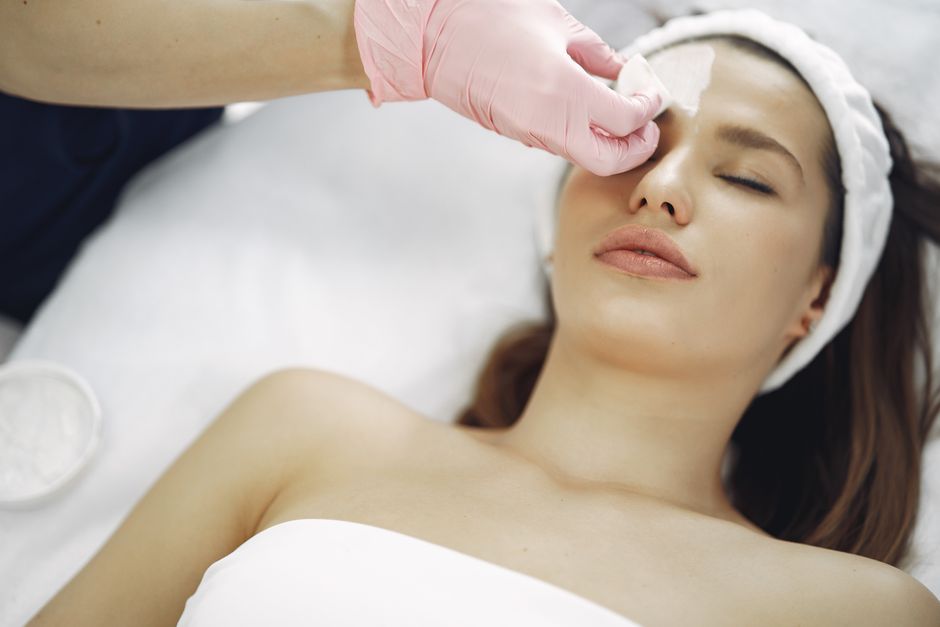
Chemical peels are cosmetic treatments that involve the application of a chemical solution to the skin, which leads to the exfoliation of the outer layers. This process stimulates the regeneration of new skin cells, resulting in smoother and more even-toned skin. The strength and depth of the peel can vary, making it essential to choose the right type of peel based on individual skin needs.
There are three primary types of chemical peels: superficial, medium, and deep. Superficial peels use mild acids like alpha-hydroxy acid (AHA) to gently exfoliate the skin’s surface. Medium peels typically involve trichloroacetic acid (TCA) and penetrate deeper layers, while deep peels use stronger agents like phenol for more significant skin issues.
Before undergoing a chemical peel treatment, it is crucial to consult with a qualified dermatologist or skincare professional. They can assess your skin type, discuss your goals, and recommend the most suitable type of peel for your needs.
The Benefits of Chemical Peels
Chemical peels offer a myriad of benefits, making them a sought-after option in the world of skincare. One of the primary advantages is their ability to address various skin concerns. For instance, individuals suffering from acne can benefit from the exfoliating properties of chemical peels, which help unclog pores and reduce breakouts.
Moreover, chemical peels can significantly improve the appearance of sun damage, fine lines, and hyperpigmentation. Studies show that patients who undergo chemical peel treatments experience an increase in collagen production, contributing to firmer and more youthful skin.
In addition, many people report a boost in confidence following a chemical peel treatment. With clearer, smoother skin, patients often feel more comfortable in their skin, leading to enhanced self-esteem.
What to Expect During the Treatment
Understanding the treatment process can alleviate some anxiety for those considering a chemical peel. First, the dermatologist will cleanse the skin and may apply a topical anesthetic to minimize discomfort. The chemical solution is then applied, and the patient may experience a slight tingling or burning sensation, which usually subsides quickly.
The duration of the treatment varies depending on the type of peel, but most superficial peels can be completed in about 30 minutes. After treatment, patients may notice redness or peeling, similar to a mild sunburn, which typically resolves within a few days.
It’s essential to follow post-treatment care instructions provided by your dermatologist to ensure optimal results. This may include avoiding sun exposure, using gentle skincare products, and keeping the skin moisturized.
Potential Risks and Considerations
While chemical peels are generally safe, they do come with certain risks. Some individuals may experience adverse reactions such as prolonged redness, irritation, or even scarring. Therefore, it is vital to have a thorough consultation with a skincare professional to discuss any potential risks.
Furthermore, individuals with certain skin conditions, such as eczema or rosacea, may not be suitable candidates for chemical peels. A dermatologist can help determine the best course of action for each individual, considering their unique skin type and concerns.
Overall, the benefits of chemical peels often outweigh the risks, especially when performed by a qualified professional. Many patients find that the enhanced skin texture and tone significantly improve their quality of life.
Conclusion
In conclusion, chemical peel treatments are an effective method for achieving healthier, more radiant skin. With various types available, individuals can find a suitable option to address their specific skin concerns. However, it is crucial to consult with a qualified dermatologist to ensure the treatment is safe and effective. By understanding the process, benefits, and potential risks, individuals can make informed decisions about their skincare journey. For more detailed information, you can learn more about chemical peel treatment.