









In today’s fast-paced digital world, the demand for high-quality visuals has never been greater. Businesses across various sectors are recognizing the importance of 3D rendering services in enhancing their marketing efforts and product presentations. From real estate to product design, the ability to create lifelike images and animations can significantly influence consumer decisions. This article delves into the multifaceted world of 3D rendering services, exploring their applications, benefits, and future trends.
Understanding 3D Rendering Services
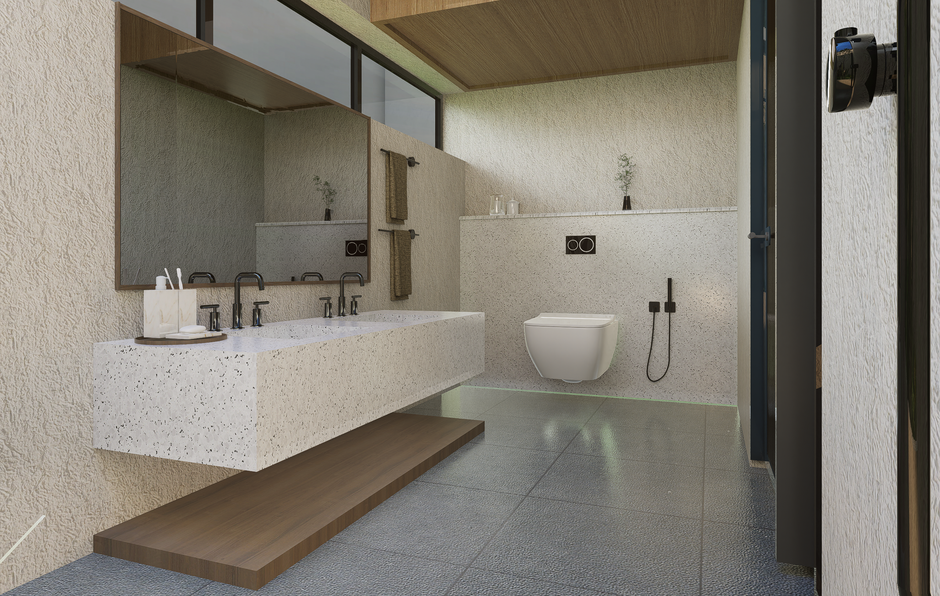
3D rendering is the process of generating an image from a 3D model by means of computer software. This technique allows designers and architects to visualize their ideas in a realistic manner before the actual physical production begins. The process involves several stages, including modeling, texturing, lighting, and rendering, each contributing to the final output’s quality and realism.
In essence, 3D rendering services provide a bridge between imagination and reality, allowing creators to present their concepts visually. Many industries leverage these services to communicate complex ideas simply and effectively. For instance, architects use 3D rendering to showcase building designs, while product designers create visual representations of items before they are manufactured.
The Benefits of Utilizing 3D Rendering Services
One of the most significant advantages of using 3D rendering services is the ability to enhance communication. By providing detailed visualizations, stakeholders can easily understand and evaluate projects, leading to more informed decision-making. This clarity is particularly beneficial in industries such as real estate, where potential buyers can experience a property visually before it is even built.
Moreover, 3D rendering services can drastically reduce costs associated with physical prototypes and mock-ups. Businesses can test different design concepts without the financial burden of creating physical models. This flexibility allows for experimentation and innovation, ultimately leading to better end products.
Another benefit is the increased marketability of products. High-quality rendered images are eye-catching and can be used across various marketing platforms, from websites to social media. Engaging visuals can significantly improve customer engagement and conversion rates, making 3D rendering an essential tool in digital marketing strategies.
Applications of 3D Rendering in Various Industries
3D rendering services have found applications in numerous industries, each reaping the benefits of this technology. In the real estate sector, developers use 3D renderings to create stunning visual presentations of properties, helping potential buyers visualize their future homes. For example, real estate listings featuring 3D renderings receive higher engagement rates compared to those with standard photos.
In the product design industry, companies utilize 3D rendering to create realistic representations of products before they hit the market. This allows for consumer feedback and adjustments based on visual appeal, functionality, and design aesthetics. Additionally, in the film and gaming industries, 3D rendering is crucial for creating immersive environments and characters, enhancing the overall viewer experience.
Future Trends in 3D Rendering Services
The future of 3D rendering services is promising, with advancements in technology paving the way for even greater possibilities. One notable trend is the integration of virtual reality (VR) and augmented reality (AR) into rendering processes. These technologies enable users to interact with 3D models in real-time, providing an immersive experience that goes beyond traditional static images.
Additionally, as rendering software becomes more sophisticated, the quality of outputs is expected to improve significantly. Features like real-time rendering and AI-driven enhancements will allow for quicker turnaround times and more detailed visualizations. Businesses that stay ahead of these trends will gain a competitive advantage in their respective markets.
Furthermore, as sustainability becomes a priority for many businesses, 3D rendering services can help in visualizing eco-friendly designs and materials. This will not only aid in promoting sustainable practices but also resonate with environmentally conscious consumers.
Conclusion
In conclusion, 3D rendering services are revolutionizing the way businesses present their ideas and products. By enhancing communication, reducing costs, and increasing marketability, these services are essential in today’s visual-centric world. As technology continues to evolve, the applications and benefits of 3D rendering will only expand, making it a vital component for any business looking to thrive in the digital age. For those interested in exploring the possibilities of 3D rendering, consider investing in a professional 3D rendering service to elevate your projects and capture your audience’s attention.