









The rise of electric vehicles (EVs) has transformed the automotive landscape, and at the core of this revolution lies the critical role of EV battery suppliers. As manufacturers strive to meet the increasing demand for sustainable transportation, understanding the supply chain dynamics of EV batteries becomes paramount. This article delves into the importance of EV battery suppliers, the challenges they face, and their impact on the future of electric mobility.
The Importance of EV Batteries
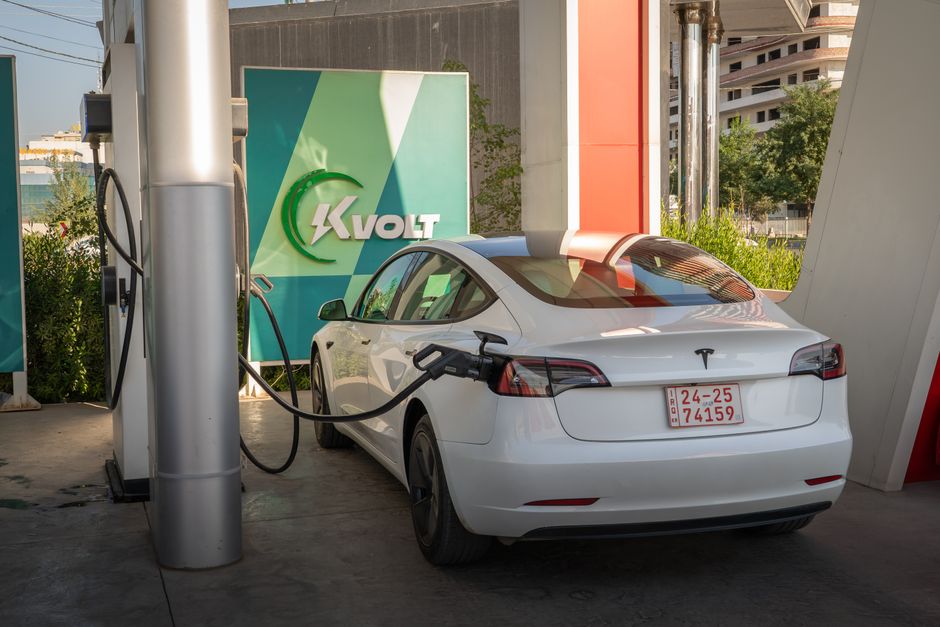
Electric vehicles rely heavily on battery technology to function efficiently. The battery is not just a component; it is the heart of the EV, determining the vehicle’s range, performance, and overall efficiency. With advancements in battery technology, manufacturers have been able to produce batteries that offer longer lifespans, faster charging times, and greater energy density.
For instance, lithium-ion batteries have become the standard due to their lightweight nature and high energy-to-weight ratio. According to a report by the International Energy Agency, the global EV stock reached 10 million in 2020, a significant increase from previous years, highlighting the growing reliance on effective battery solutions.
As such, EV battery suppliers play a pivotal role in ensuring that manufacturers have access to the latest technology and innovations. The partnership between automakers and battery suppliers can significantly influence the success of electric vehicles in the marketplace.
Key Players in the EV Battery Supply Chain
The supply chain of EV batteries is complex, involving various stakeholders, including raw material suppliers, battery manufacturers, and vehicle producers. Leading EV battery suppliers such as Panasonic, LG Chem, and CATL have established themselves as frontrunners in the industry.
These companies not only produce batteries but also invest heavily in research and development to enhance battery technology. For example, CATL has developed a new generation of batteries that significantly reduce charging times and extend vehicle range, which is a crucial factor for consumers when choosing an EV.
Moreover, the competition among battery suppliers has driven prices down, making EVs more affordable for the average consumer. This competitive landscape is essential for the growth of the electric vehicle market as it directly impacts production costs and ultimately, consumer pricing.
Challenges Faced by EV Battery Suppliers
Despite the promising future of EV batteries, suppliers face several challenges that could hinder growth. One of the most pressing issues is the sourcing of raw materials required for battery production.
Materials such as lithium, cobalt, and nickel are essential for battery manufacturing, and their supply is often subject to geopolitical tensions and market fluctuations. For example, cobalt is primarily sourced from the Democratic Republic of the Congo, a region plagued by political instability and ethical concerns regarding mining practices.
Additionally, as the demand for EVs increases, so does the demand for these raw materials, leading to potential shortages. Suppliers must find ways to secure these materials responsibly and sustainably to ensure a stable production pipeline.
The Future of EV Battery Technology
Looking ahead, the future of EV batteries is promising yet challenging. Innovations such as solid-state batteries and battery recycling technologies are on the horizon, which could revolutionize the industry.
Solid-state batteries, for instance, promise higher energy densities and enhanced safety compared to traditional lithium-ion batteries. Companies like QuantumScape are leading the charge in developing this technology, which could significantly impact the range and efficiency of future electric vehicles.
Moreover, the recycling of EV batteries presents a vital opportunity for sustainability. As more EVs reach the end of their life cycle, effective recycling processes can help recover valuable materials, reducing the need for new raw materials and minimizing environmental impact.
Conclusion
The role of EV battery suppliers is crucial in shaping the future of electric mobility. As the demand for electric vehicles continues to grow, these suppliers must navigate complex supply chains, innovate continuously, and address challenges related to raw material sourcing and sustainability. Understanding the dynamics of this industry not only highlights the importance of battery technology in the EV market but also emphasizes the need for collaboration among stakeholders to ensure a sustainable and prosperous future for electric vehicles.