




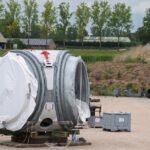
The increasing demand for renewable energy has put a spotlight on energy storage systems (ESS). As the world transitions to sustainable energy sources, the ability to store energy efficiently becomes critical. This article delves into the mechanics, applications, and future of energy storage systems, highlighting their vital role in modern energy infrastructure.
Understanding Energy Storage Systems

Energy storage systems are technologies that store energy for use at a later time. They play a crucial role in balancing supply and demand, particularly when integrating renewable energy sources like solar and wind. By storing excess energy produced during peak generation times, ESS can provide power when generation is low, thus ensuring a stable energy supply.
There are various types of energy storage technologies, including batteries, pumped hydro storage, flywheels, and compressed air storage. Each system has its unique advantages and applications, making it essential to select the appropriate technology based on specific energy needs and infrastructure capabilities.
The Importance of Energy Storage in Renewable Integration
One of the primary challenges of renewable energy is its intermittent nature. For instance, solar energy is abundant during the day but scarce at night. Energy storage systems enable the smooth integration of these resources into the energy grid by storing surplus energy generated during sunny or windy days and releasing it when demand peaks.
According to the International Renewable Energy Agency (IRENA), the global installed capacity of energy storage systems is expected to grow significantly, reaching over 1,400 GW by 2030. This growth underscores the importance of energy storage systems in achieving renewable energy targets and transitioning to a low-carbon economy.
Applications of Energy Storage Systems
Energy storage systems have a wide range of applications across various sectors. In residential settings, homeowners are increasingly installing battery storage systems alongside solar panels to maximize their energy independence. By storing energy generated during the day, homeowners can use it during the evening or in times of high energy prices.
In industrial applications, businesses utilize energy storage systems to manage energy costs and ensure a reliable power supply. For example, a manufacturing facility may use an ESS to store energy during off-peak hours when electricity rates are lower, then draw upon that stored energy during peak hours to reduce costs.
Additionally, utilities are leveraging energy storage systems for grid stability. By deploying large-scale ESS, utilities can respond quickly to fluctuations in electricity demand, thereby enhancing grid reliability and preventing outages.
Challenges and Future Directions
Despite their potential, energy storage systems face several challenges. High initial costs, limited lifespan, and technological immaturity in some cases can hinder widespread adoption. However, ongoing research and development are driving advancements in energy storage technologies, making them more efficient and cost-effective.
Moreover, government policies and incentives are increasingly encouraging the deployment of energy storage systems. Many countries are implementing regulations that promote energy storage as part of their renewable energy strategies, paving the way for a more sustainable energy future.
As technology continues to evolve, innovative approaches such as grid-scale energy storage and advancements in battery chemistry are expected to play a pivotal role in enhancing the performance and reducing the costs of energy storage systems. For instance, lithium-ion batteries are currently the most widely used technology, but emerging alternatives like solid-state batteries promise higher efficiency and safety.
Conclusion
Energy storage systems are poised to become a cornerstone of the future energy landscape. By enabling the integration of renewable energy sources, enhancing grid stability, and providing economic benefits, they represent a critical investment for a sustainable future. As we continue to innovate and overcome existing challenges, the potential for energy storage systems to revolutionize the way we generate and consume energy is immense. For more detailed insights into energy storage systems, visit energy storage system resources.