








Cardiopulmonary Resuscitation (CPR) is a critical emergency procedure that can save lives during cardiac arrest. Many people are unaware of how vital it is to learn CPR, not just for healthcare professionals but for everyone in the community. This article explores the importance of CPR, the techniques involved, and the steps you can take to become proficient in this lifesaving skill.
The Importance of CPR
Cardiac arrest can occur unexpectedly, and when it does, every second counts. According to the American Heart Association, approximately 350,000 cardiac arrests occur outside of hospitals each year in the United States alone. The survival rate diminishes by 7-10% for every minute that passes without intervention. This statistic emphasizes the importance of knowing CPR and being prepared to act swiftly.
CPR acts as a bridge until professional medical help arrives. By performing CPR, you can help maintain blood flow to the brain and other vital organs, significantly increasing the chances of survival. Immediate CPR can double or even triple the chances of survival after cardiac arrest.
Moreover, CPR training can foster a sense of community responsibility. When more individuals are equipped with this knowledge, the overall safety of public spaces increases, and the likelihood of a successful outcome in emergencies becomes greater.
Steps to Perform CPR
Performing CPR involves a series of steps that are easy to learn. First, ensure the scene is safe for both you and the victim. Next, check the victim’s responsiveness by gently shaking them and asking if they are okay. If there is no response, call for emergency help immediately or have someone else do so.
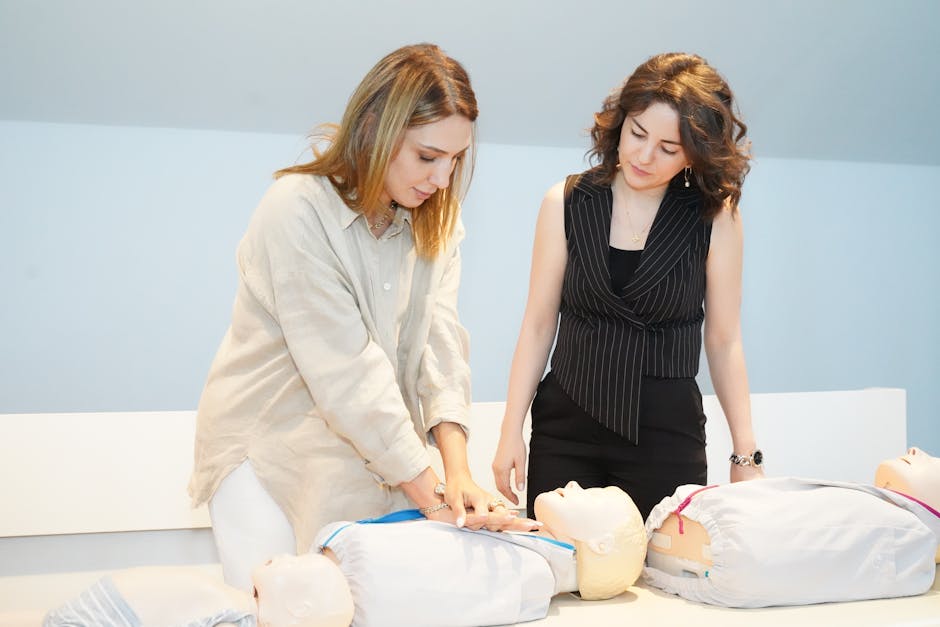
Once help is on the way, begin chest compressions. Kneel beside the victim, place your hands, one on top of the other, in the center of the chest, and push down hard and fast, at a rate of 100 to 120 compressions per minute. Aim for a depth of about 2 inches. After every 30 compressions, give 2 rescue breaths if you are trained to do so, ensuring the airway is open by tilting the head back slightly.
It’s essential to continue this cycle of compressions and breaths until professional help arrives or the person starts to show signs of life. Practicing these steps in a controlled environment, such as a CPR class, can greatly enhance your confidence and efficiency during an actual emergency situation.
Learning CPR: Training Options Available
Learning CPR can be done through various training programs offered by organizations like the American Red Cross or the American Heart Association. These programs provide hands-on training and are often available in person or online. For those in Stockholm, you can find local options such as HLR kurs Stockholm, which offers classes tailored to different skill levels.
Additionally, many communities offer free workshops or subsidized courses to encourage more people to learn CPR. Online resources, including videos and instructional materials, can also be beneficial for self-study, although hands-on practice is crucial for mastering the skills.
Certifications typically last for two years, at which point you may need to renew your training. Staying updated on the latest CPR guidelines is vital as techniques and recommendations can evolve.
Common Myths About CPR
Despite the proven benefits of CPR, several myths persist that may discourage individuals from learning this essential skill. One common myth is that you need to be a trained professional to perform CPR. In reality, anyone can and should attempt CPR if they witness a cardiac arrest.
Another myth is that performing CPR might cause harm to the victim. While there is a risk of injury, the potential benefits far outweigh these concerns. When someone is in cardiac arrest, they are unresponsive and not breathing; the priority is to initiate CPR rather than hesitate due to fear of causing injury.
Lastly, many believe that rescue breaths are required for CPR. While they are beneficial, hands-only CPR (chest compressions only) is still effective and recommended for untrained bystanders, especially in adult cases.
The Role of CPR in Emergency Preparedness
CPR is not just an individual skill; it plays a crucial role in community emergency preparedness. Schools, workplaces, and public organizations can develop programs to train staff and students in CPR, creating a network of individuals ready to respond in emergencies.
Additionally, public access to Automated External Defibrillators (AEDs) is vital. Knowing the location of these devices and how to use them in conjunction with CPR can significantly improve survival rates in cardiac emergencies.
Furthermore, community drills and events can foster awareness and encourage more people to learn CPR. Collaborating with local health organizations to offer these training sessions can create a culture of preparedness that benefits everyone.
Conclusion
Cardiopulmonary Resuscitation (CPR) is a critical skill that everyone should learn. The ability to perform CPR can mean the difference between life and death in emergency situations. By understanding the importance of CPR, learning the steps to perform it effectively, and participating in training programs, individuals can play an active role in saving lives. As a community, we must prioritize CPR education to ensure that more people are prepared to act when it matters most.