









In an age where environmental concerns are at the forefront of global discussions, plastic recycling companies are becoming increasingly vital. With millions of tons of plastic waste generated every year, the need for efficient recycling solutions has never been greater. This article delves into the innovations, challenges, and opportunities within the plastic recycling industry, highlighting how companies are adapting to meet the demands of sustainability and environmental responsibility.
Understanding the Plastic Waste Crisis
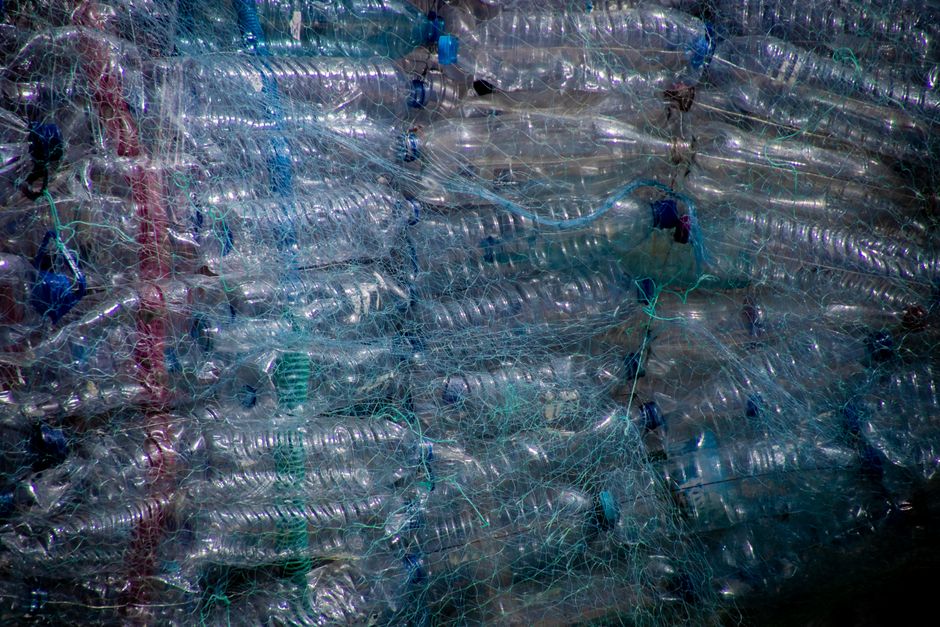
The world produces over 300 million tons of plastic each year, with a significant percentage ending up in landfills or oceans. This alarming statistic underscores the urgency of effective recycling methods. Plastic pollution not only harms marine life but also poses risks to human health. Understanding the scope of this crisis is essential for any plastic recycling company seeking to make a meaningful impact.
In 2020 alone, it was estimated that only 9% of the plastic waste generated globally was recycled. The remainder either ended up in incineration or landfills, further exacerbating environmental issues. As awareness grows, consumers and businesses alike are demanding more sustainable practices, pushing the recycling industry to innovate.
Innovative Technologies in Plastic Recycling
The plastic recycling industry is leveraging advanced technologies to improve efficiency and effectiveness. Innovations such as chemical recycling and enhanced sorting technologies have emerged as game-changers. Chemical recycling involves breaking down plastics into their original monomers, allowing for the creation of new, high-quality plastic products.
Moreover, artificial intelligence (AI) and machine learning are revolutionizing sorting processes. These technologies can identify different types of plastics with remarkable accuracy, ensuring that more materials are processed correctly. Companies that adopt these cutting-edge technologies position themselves as leaders in the industry, offering superior recycling solutions.
The Role of Legislation and Policies
Government policies play a crucial role in shaping the landscape of plastic recycling. Many countries are implementing stricter regulations regarding plastic use and waste management. For instance, the European Union’s Circular Economy Action Plan aims to make all plastic packaging recyclable by 2030. Such initiatives create a more favorable environment for plastic recycling companies to thrive.
Furthermore, extended producer responsibility (EPR) policies require manufacturers to take responsibility for the entire lifecycle of their products, including end-of-life disposal. This shift in responsibility encourages companies to design products that are easier to recycle, ultimately benefiting the environment.
Challenges Facing the Plastic Recycling Industry
Despite the advancements, the plastic recycling industry faces several challenges that hinder progress. One significant issue is the contamination of recyclable materials, which can render entire batches unusable. This problem emphasizes the importance of public education on proper recycling practices.
Additionally, the fluctuating prices of recycled materials compared to virgin plastics can discourage investment in recycling programs. Many plastic recycling companies struggle to compete with lower-cost virgin materials, making it essential to advocate for policies that support the recycling market.
The Economic Potential of Plastic Recycling
The economic potential of plastic recycling is vast. According to a report by the World Economic Forum, transitioning to a circular economy could generate $4.5 trillion in economic benefits by 2030. This transition not only creates jobs in the recycling sector but also stimulates innovation in related fields, such as sustainable product design and waste management.
Moreover, consumers increasingly prefer brands that prioritize sustainability. Companies that invest in recycling initiatives can enhance their brand reputation and attract eco-conscious consumers, leading to increased sales and customer loyalty.
Conclusion
The future of plastic recycling holds immense promise, driven by innovation, supportive policies, and growing consumer awareness. As the world grapples with plastic waste, plastic recycling companies are stepping up to offer solutions that not only benefit the environment but also create economic opportunities. By embracing new technologies, advocating for effective regulations, and educating the public, the recycling industry can pave the way toward a more sustainable future.