





As the global population continues to rise, the demand for sustainable food production methods becomes increasingly critical. Among the innovative solutions emerging in the agricultural sector, vertical farming technology stands out as a promising approach to address food security challenges. This article delves into the various aspects of vertical farming, exploring its benefits, technologies involved, and its potential to revolutionize how we grow food.
Understanding Vertical Farming
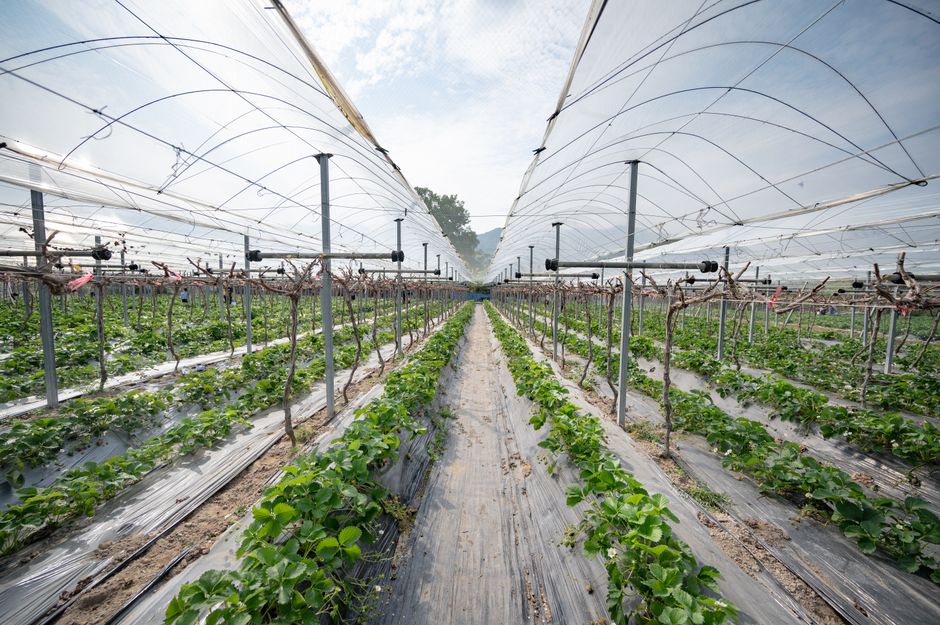
Vertical farming refers to the practice of growing crops in vertically stacked layers, utilizing controlled-environment agriculture (CEA) technology. This method can be implemented in urban settings, reducing the distance food travels from farm to table. By maximizing space and minimizing land use, vertical farming offers a sustainable alternative to traditional agriculture.
One of the most significant advantages of vertical farming is its ability to produce food year-round, independent of climate conditions. Utilizing artificial lighting and climate control systems, vertical farms can create optimal growing conditions for various crops. This technology not only enhances productivity but also ensures a consistent supply of fresh produce.
Technological Innovations in Vertical Farming
Vertical farming technology encompasses several innovations that contribute to its efficiency and sustainability. Hydroponics, aeroponics, and aquaponics are some of the key techniques used in these systems. Hydroponics, for instance, involves growing plants in nutrient-rich water, eliminating the need for soil and allowing for faster growth rates.
Aeroponics takes this a step further by suspending plant roots in the air and misting them with nutrient solutions. This method uses significantly less water than traditional farming, making it an attractive option for areas with limited water resources. Additionally, aquaponics combines fish farming with plant cultivation, creating a symbiotic environment where fish waste provides nutrients for plants, while plants help filter and clean the water for fish.
Environmental Benefits of Vertical Farming
One of the most compelling reasons to adopt vertical farming technology is its positive environmental impact. Traditional farming methods often lead to soil degradation, deforestation, and high water usage. In contrast, vertical farms can significantly reduce these issues. For example, studies show that vertical farms can use up to 90% less water compared to conventional agriculture.
Moreover, vertical farming minimizes the need for pesticides and herbicides, as the controlled environment helps prevent pest infestations and diseases. This reduction in chemical usage not only benefits the environment but also results in healthier produce for consumers. Furthermore, by situating vertical farms in urban areas, the carbon footprint associated with transporting food over long distances is drastically reduced.
Challenges Facing Vertical Farming
Despite its many advantages, vertical farming technology is not without challenges. High initial investment costs for infrastructure and technology can deter potential investors. Moreover, the energy consumption associated with artificial lighting and climate control systems raises concerns about sustainability.
However, advancements in renewable energy sources and energy-efficient technologies are paving the way for more sustainable vertical farming practices. Solar panels, for instance, can be integrated into vertical farms to reduce reliance on non-renewable energy sources. As the technology continues to evolve, it is expected that operational costs will decrease, making vertical farming more accessible to a broader range of consumers and businesses.
The Future of Food Production
As we look toward the future, vertical farming technology holds immense potential to transform food production. With urbanization on the rise, the need for innovative solutions that can provide fresh, sustainable produce within city limits is more pressing than ever. Vertical farms can play a crucial role in creating resilient food systems that withstand the challenges posed by climate change and population growth.
In conclusion, vertical farming represents a paradigm shift in agriculture that emphasizes sustainability, efficiency, and innovation. By leveraging advanced technologies and sustainable practices, vertical farms can contribute to food security and environmental conservation. As the world continues to grapple with the complexities of food production, embracing vertical farming technology may very well be a key step toward a more sustainable future. For those interested in learning more about vertical farming technology, the possibilities are just beginning to unfold.