









Maintaining a septic system is crucial for homeowners who rely on this method of waste management. Regular cleaning and maintenance can prevent costly repairs and ensure that the system functions efficiently. In this guide, we will explore the importance of septic tank cleaning, the signs that indicate it’s time for cleaning, the process involved, and tips for proper care.
Understanding the Septic System
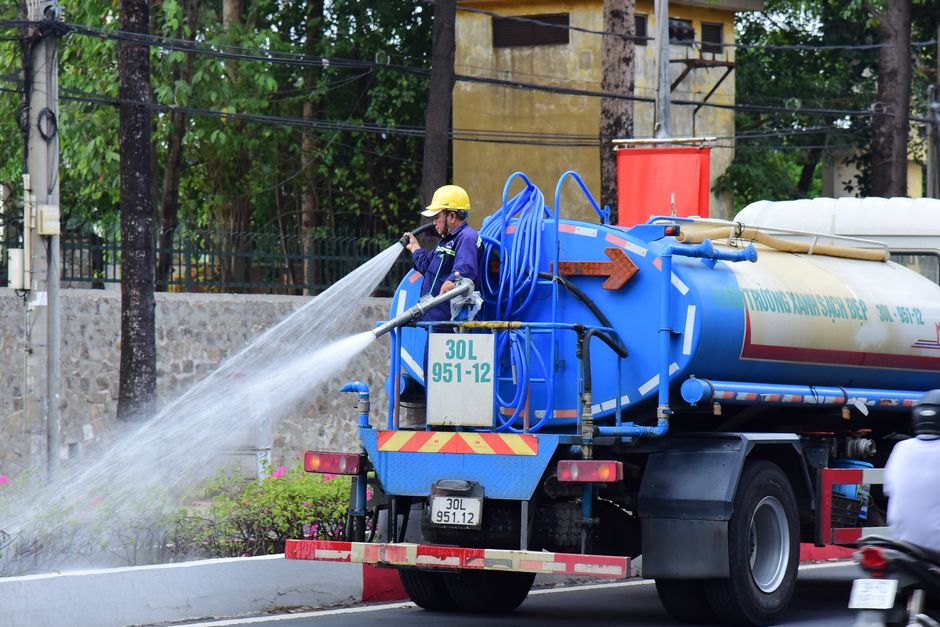
A septic system is a decentralized sewage treatment system commonly used in rural areas. It consists of a septic tank, where waste is collected, and a drain field, where treated water is dispersed into the soil. Understanding how this system works is vital for effective maintenance. The septic tank separates solids from liquids, allowing bacteria to break down waste. However, over time, sludge and scum can accumulate, leading to various issues.
Statistics show that approximately 25% of homes in the United States use septic systems, emphasizing the importance of proper care. Regular cleaning not only prolongs the life of the tank but also protects the environment by preventing waste leakage.
Signs That Your Septic Tank Needs Cleaning
Being aware of the signs that indicate your septic tank needs cleaning can save you from significant problems. Common signs include slow drains, sewage backing up into the home, and foul odors around the tank or drain field. If you notice any of these issues, it’s essential to act quickly.
Another indicator is the presence of lush, green grass over the drain field, which may suggest that the tank is overflowing. Research indicates that neglecting these signs can lead to costly repairs, often exceeding thousands of dollars. Regular inspections and cleaning can prevent such scenarios.
The Septic Tank Cleaning Process
The cleaning process involves several steps, typically performed by a professional service. First, the technician will locate the septic tank and remove the access lid. Then, they will pump out the accumulated sludge and scum, ensuring the tank is emptied effectively.
After pumping, the technician may inspect the tank for any damage or signs of wear. This inspection is crucial, as it helps identify potential problems before they escalate. Once the tank is cleaned and inspected, it is essential to maintain a proper schedule for future cleanings—generally every 3 to 5 years, depending on usage.
For homeowners looking to maintain their systems between cleanings, practicing good habits is essential. Limiting water usage and avoiding flushing non-biodegradable items can significantly help in maintaining the health of the septic system.
Tips for Proper Septic Tank Maintenance
Alongside regular cleaning, several practices can help prolong the life of your septic system. One of the most effective ways is to practice septic maintenance by keeping the area around the tank clear of heavy vehicles and structures. This prevents damage and ensures easy access for future inspections.
Additionally, using biodegradable products can minimize the buildup of harmful substances that can hinder the bacterial processes within the tank. Homeowners should also avoid pouring chemicals or grease down the drain, as these substances can disrupt the delicate balance of the septic system.
Conclusion
In conclusion, septic tank cleaning is an essential practice for homeowners relying on septic systems. Understanding the importance of regular cleaning, recognizing the signs of a full tank, and adhering to proper maintenance tips can help prevent costly repairs and ensure a healthy waste management system. By being proactive, homeowners can enjoy the benefits of a well-functioning septic system for years to come.