









Irrigation systems play a crucial role in modern agriculture, ensuring that crops receive the necessary water for optimal growth and productivity. With the increasing challenges posed by climate change and water scarcity, understanding the various types of irrigation systems and their applications has become more important than ever. This article delves into the different types of irrigation systems, their benefits, and the technology behind them.
Understanding Irrigation Systems
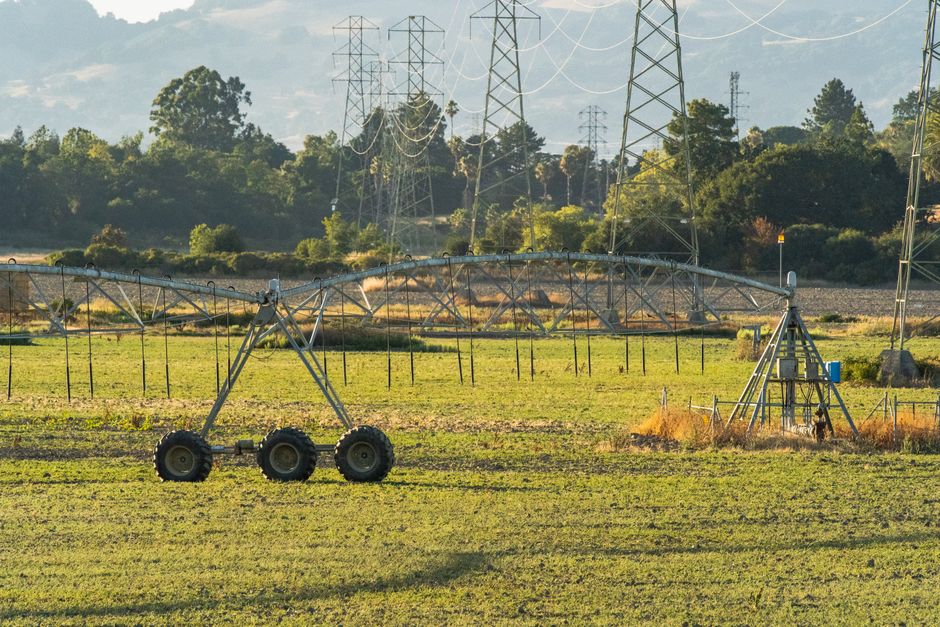
At its core, an irrigation system is a method used to supply water to crops in a controlled manner. Various systems exist, each designed to meet the specific needs of different agricultural practices. The most common types include drip irrigation, sprinkler systems, surface irrigation, and sub-surface irrigation. Each system has unique advantages and disadvantages, making it essential for farmers to choose the right one based on their specific circumstances.
Drip irrigation, for instance, delivers water directly to the plant roots through a network of tubing, which minimizes evaporation and runoff. This system is particularly effective in arid regions where water conservation is paramount. In contrast, sprinkler systems can cover larger areas and are more suitable for crops that require more water. Understanding these differences is vital for enhancing crop yields and conserving resources.
Benefits of Efficient Irrigation Systems
Implementing an efficient irrigation system can lead to numerous benefits for farmers and the environment. Firstly, it can significantly reduce water usage, which is increasingly important given the global water crisis. For instance, studies have shown that drip irrigation can reduce water usage by up to 60% compared to traditional methods.
Secondly, improved irrigation practices can lead to higher crop yields. With precise water application, crops can grow more uniformly and resist diseases better. Research indicates that farmers using advanced irrigation techniques see a yield increase of 20-30%. This not only boosts their income but also contributes to food security.
Technological Advancements in Irrigation
Technology has revolutionized irrigation systems, making them smarter and more efficient. Innovations such as automated irrigation controllers and soil moisture sensors allow farmers to monitor and manage their water use more effectively. These technologies enable precise watering schedules based on real-time data, ensuring that crops receive the right amount of water at the right time.
Moreover, the integration of mobile applications and satellite technology has further enhanced irrigation management. Farmers can now access weather forecasts, soil conditions, and other critical information through their smartphones, allowing for informed decision-making. This not only saves time but also optimizes water usage, leading to sustainable farming practices.
Environmental Considerations
As agriculture continues to evolve, the environmental impact of irrigation systems must be considered. Over-irrigation can lead to soil salinization, waterlogging, and depletion of local water sources. Sustainable irrigation practices aim to minimize these impacts by promoting responsible water use and protecting ecosystems.
Farmers are encouraged to adopt best practices, such as rotating crops and using cover crops, to maintain soil health and reduce water demand. Additionally, incorporating rainwater harvesting systems can supplement irrigation needs while reducing reliance on groundwater resources.
Conclusion
In conclusion, irrigation systems are an indispensable component of modern agriculture. The choice of an appropriate system can significantly impact water conservation, crop yields, and environmental sustainability. By embracing technology and sustainable practices, farmers can optimize their irrigation methods, ensuring a brighter future for agriculture in the face of growing challenges. For more in-depth information and resources on irrigation systems, refer to this comprehensive guide on irrigation systems.