









In a world filled with fast food and mass production, handmade pizza stands out as a delicious testament to culinary artistry. Each pie represents not just a meal but a labor of love, where quality ingredients and skilled hands come together to create something truly exceptional. In this article, we will explore the intricate process of making handmade pizza, the variety of styles available, and why it remains a beloved option for food enthusiasts around the globe.
The Ingredients: Quality Matters
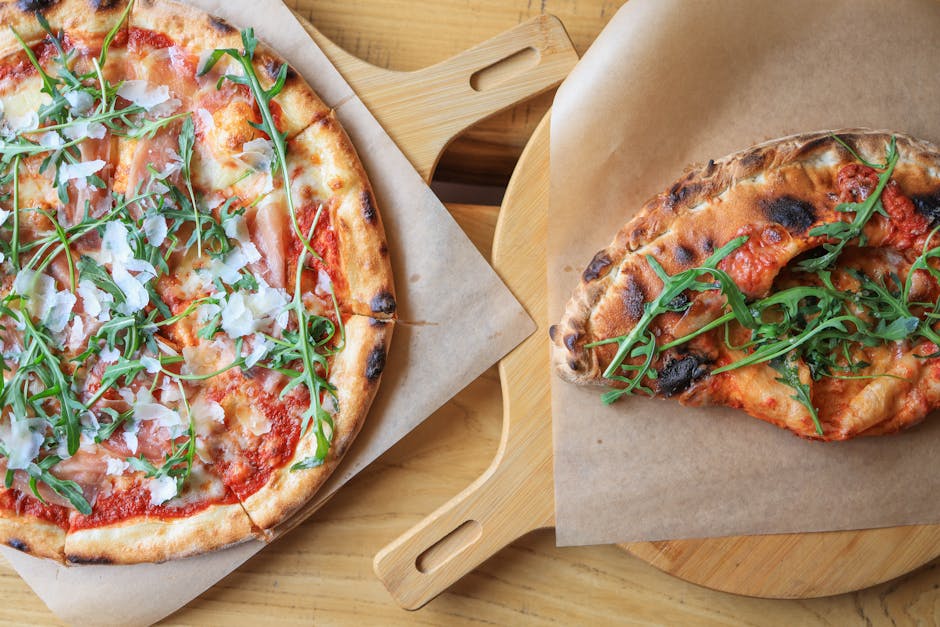
At the heart of any great handmade pizza is the quality of the ingredients used. Flour, water, yeast, and salt form the base of the dough, but the specifics can vary greatly. For instance, many artisanal pizza makers prefer using a high-protein flour that can develop strong gluten, giving the crust its characteristic chewiness. Additionally, the use of filtered water can enhance the flavor of the dough, making it even more delightful.
Another crucial element is the tomatoes used for the sauce. San Marzano tomatoes, grown in the volcanic soil of Italy, are often considered the gold standard. They are naturally sweet and have a low acidity, which makes them perfect for pizza sauce. When combined with fresh basil, olive oil, and a pinch of salt, they create a sauce that elevates the entire pizza.
Finally, the choice of cheese can make or break a pizza. While mozzarella is the classic choice, blending in provolone or parmesan can add depth and complexity to the flavor profile. Quality cheese not only enhances taste but also contributes to the delightful stretch that is so iconic in pizza.
The Dough: Kneading to Perfection
The process of making pizza dough is an art in itself. It begins with mixing the ingredients, followed by a critical kneading phase. Kneading develops gluten, which provides the structure and elasticity needed for a great crust. Many pizza artisans recommend kneading by hand for a more intimate connection with the dough. This method allows bakers to feel the texture and adjust the hydration levels as necessary.
After kneading, the dough must rise, a process known as fermentation. This is where the magic happens; yeast consumes sugars in the dough, producing carbon dioxide and alcohol. This fermentation process not only helps the dough to rise but also develops flavor. For the best results, a slow fermentation of 24 hours or more is recommended, leading to a more complex flavor.
Once the dough has risen, it is divided into portions and shaped. Traditionalists often use a technique called “stretching” instead of rolling, as this method preserves the air bubbles created during fermentation, resulting in a lighter crust.
Cooking Techniques: The Perfect Bake
The cooking method significantly influences the final product of handmade pizza. Wood-fired ovens are a popular choice among pizza aficionados, as they can reach temperatures exceeding 800°F (427°C). This high heat creates a beautifully charred crust while keeping the interior soft and chewy. The unique flavor imparted by the wood smoke adds an extra layer of complexity that is hard to replicate with conventional ovens.
For those without access to a wood-fired oven, using a pizza stone in a conventional oven can yield excellent results. Preheating the stone ensures that the pizza cooks evenly and develops a crispy crust. A common recommendation is to bake the pizza at the highest temperature possible, typically around 500°F (260°C), for about 10-12 minutes.
Another innovative method gaining popularity is the use of a pizza steel. This tool conducts heat more efficiently than a stone, allowing for an even quicker cooking time and a perfectly blistered crust.
Varieties of Handmade Pizza: A World of Flavors
Handmade pizza is not a monolithic entity; it encompasses a wide range of styles from different regions, each with its unique characteristics. For example, Neapolitan pizza, originating from Naples, is known for its soft, pliable crust and minimal toppings. It typically features simple ingredients like fresh mozzarella, basil, and tomatoes.
On the other hand, New York-style pizza is characterized by its large, foldable slices and a thicker, crunchier crust. This style often incorporates a more substantial amount of cheese and a variety of toppings, making it a favorite for on-the-go meals.
Even within these two styles, creativity abounds. Gourmet toppings such as truffle oil, arugula, or even seafood can be found on artisanal pizzas, showcasing the versatility of this beloved dish. Many chefs now experiment with unexpected combinations, reflecting local flavors and seasonal ingredients.
Conclusion: The Enduring Appeal of Handmade Pizza
Handmade pizza is more than just food; it is a cultural phenomenon that brings people together. Whether enjoyed at a bustling pizzeria or made at home with loved ones, the process of creating and sharing pizza is a delightful experience. The attention to detail in the selection of ingredients, the artistry in the dough-making process, and the joy of experimenting with flavors all contribute to its enduring appeal. As you delve into the world of handmade pizza, remember that the journey, from dough to deliciousness, is just as important as the final product. So, gather your ingredients, roll up your sleeves, and embark on your own pizza-making adventure!
For those looking to elevate their pizza experience, consider exploring options like LUXURY 777, which offers a unique take on this classic dish.