









Sheet metal fabrication is a critical process in various industries, ranging from automotive to aerospace and construction. It involves transforming flat sheets of metal into specific shapes and designs through various manufacturing techniques. The ability to manipulate metal into functional parts is a blend of artistry and engineering, making it essential for both aesthetic and practical applications.
Understanding Sheet Metal Fabrication
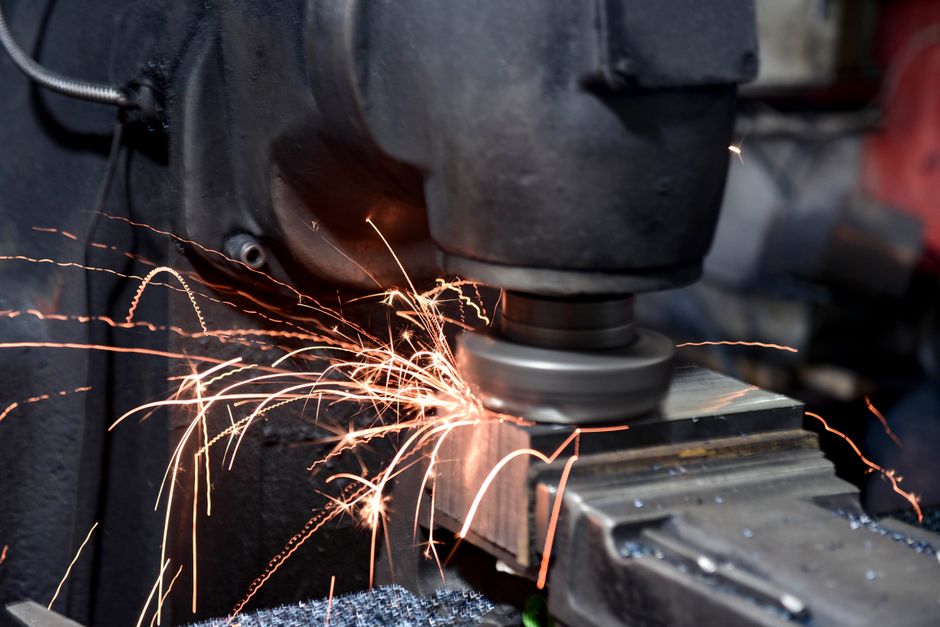
At its core, sheet metal fabrication is the process of cutting, bending, and assembling metal sheets to create parts or structures. The materials commonly used include aluminum, steel, copper, and brass. Each material has unique properties that influence the fabrication process, making it crucial for manufacturers to choose the right type based on the intended use of the final product.
The process typically begins with a design, often created using CAD (Computer-Aided Design) software. This digital blueprint guides the fabrication process, ensuring that the final product meets the required specifications. From there, various techniques such as laser cutting, punching, and welding come into play, each serving a specific purpose in shaping the metal.
Key Techniques in Sheet Metal Fabrication
Several techniques are integral to sheet metal fabrication, each with its advantages and applications. Laser cutting, for instance, is renowned for its precision and ability to create intricate designs. This method uses a high-powered laser beam to cut through metal sheets, offering a clean edge without the need for secondary finishing processes.
Another vital technique is bending, which alters the shape of the metal sheet without cutting it. This process is often accomplished using press brakes, which apply force to bend the metal at specific angles. Bending is critical in creating components like brackets and enclosures that require precise angles and structural integrity.
Welding is yet another fundamental technique in the fabrication process. It involves joining two or more metal pieces together through the application of heat. There are various welding methods, including MIG (Metal Inert Gas) and TIG (Tungsten Inert Gas) welding, each suitable for different applications depending on the materials and desired strength of the joint.
Applications of Sheet Metal Fabrication
The versatility of sheet metal fabrication means it finds applications across numerous industries. In the automotive sector, for example, sheet metal is used to create body panels, chassis components, and even intricate internal parts. According to industry reports, the global automotive sheet metal market is projected to reach USD 200 billion by 2026, highlighting the importance of this process in vehicle manufacturing.
In the construction industry, sheet metal is utilized for roofing, siding, and ductwork. The durability and weather resistance of metals like galvanized steel make them an ideal choice for structural applications. For instance, modern skyscrapers often feature intricate metal facades that not only enhance aesthetics but also improve energy efficiency through advanced insulation techniques.
Moreover, the aerospace industry relies heavily on sheet metal fabrication for components such as wing structures and fuselages. The lightweight nature of metals like aluminum is crucial in aviation, where reducing weight can significantly improve fuel efficiency and overall performance.
Challenges in Sheet Metal Fabrication
While sheet metal fabrication offers numerous benefits, it also presents challenges that manufacturers must navigate. One significant challenge is the variability in material properties, which can affect the fabrication process. For instance, different alloys may have varying levels of malleability, requiring adjustments in cutting and bending techniques.
Additionally, maintaining precision throughout the fabrication process is crucial. Even minor errors in measurements or cuts can lead to significant issues in the final product, resulting in wasted materials and increased costs. Therefore, quality control measures are essential at every stage of fabrication to ensure that the end products meet the required standards.
The Future of Sheet Metal Fabrication
The future of sheet metal fabrication is promising, with advancements in technology leading the way. Automation and robotics are increasingly being integrated into fabrication processes, allowing for higher efficiency and consistency. For example, automated laser cutting machines can operate continuously, drastically reducing production times.
Furthermore, the rise of additive manufacturing, or 3D printing, is also influencing the realm of sheet metal fabrication. Hybrid techniques that combine traditional fabrication with 3D printing are emerging, enabling manufacturers to create complex geometries that were previously impossible.
As industries continue to evolve, the demand for innovative sheet metal fabrication solutions will only grow. Companies that embrace new technologies and techniques will be better positioned to meet the needs of their clients and stay competitive in the market.
Conclusion
In conclusion, sheet metal fabrication is a vital process that underpins many sectors of the economy. Its ability to transform raw materials into highly functional and aesthetic products makes it an art as much as a science. As technology continues to advance, the future of sheet metal fabrication looks bright, promising new possibilities and efficiencies for manufacturers worldwide. For those interested in diving deeper into this field, understanding the fundamentals and staying abreast of technological trends is essential. For more information, you can explore the detailed process of sheet metal fabrication.