









In the aviation industry, safety is paramount. Aircraft maintenance companies play a crucial role in ensuring that every flight is safe for passengers and crew. These companies are responsible for inspecting, servicing, and repairing aircraft to meet stringent regulatory standards. The importance of these services cannot be overstated, as they directly impact the overall safety of air travel.
Understanding Aircraft Maintenance
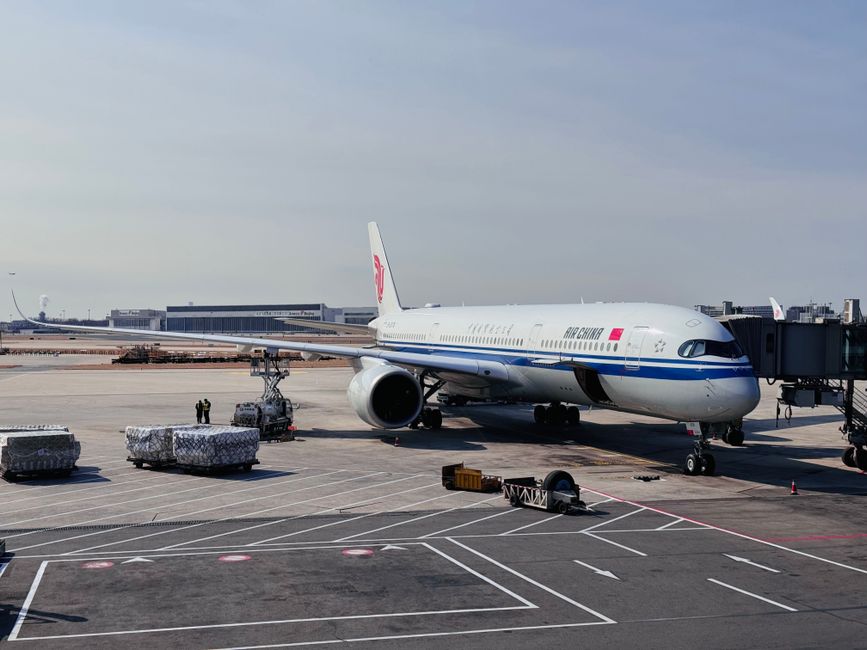
Aircraft maintenance refers to the processes involved in ensuring that an aircraft is in optimal working condition. This includes routine inspections, repairs, and upgrades of various aircraft systems. There are two primary categories of aircraft maintenance: scheduled and unscheduled. Scheduled maintenance is performed at regular intervals as dictated by the manufacturer and regulatory authorities, while unscheduled maintenance occurs in response to unexpected issues.
According to the Federal Aviation Administration (FAA), maintenance operations are categorized into three major areas: airframe maintenance, powerplant maintenance, and avionics maintenance. Each area requires specialized knowledge and skills, making it essential for maintenance companies to employ highly trained technicians.
Moreover, the regulations governing aircraft maintenance are stringent. Compliance with these regulations not only ensures safety but also protects the reputation of the airline or private operator. A well-maintained aircraft is a testament to the professionalism of the maintenance provider.
The Importance of Choosing the Right Maintenance Provider
Choosing the right aircraft maintenance company is critical for operators, whether they are commercial airlines or private jet owners. Factors to consider include the company’s reputation, certifications, and experience. A reputable company will have a history of compliant and effective maintenance practices.
For instance, companies that are certified by the FAA or equivalent regulatory bodies have demonstrated their ability to meet established safety standards. Moreover, many airlines prefer to work with maintenance providers that have specific experience with their aircraft type, as this ensures that technicians are familiar with the unique requirements of their fleet.
Additionally, the cost of maintenance can vary significantly between providers. It is essential for operators to balance cost with quality. A cheaper option may lead to subpar maintenance, potentially resulting in costly repairs or safety issues later on. Therefore, conducting thorough research and obtaining references can lead to better long-term decisions.
Technological Advancements in Aircraft Maintenance
Advancements in technology have significantly transformed the landscape of aircraft maintenance. The integration of digital tools and software has enhanced the efficiency and accuracy of maintenance operations. For example, predictive maintenance technologies use data analytics to anticipate potential failures before they occur, allowing maintenance teams to address issues proactively.
Moreover, the use of drones for inspections has gained traction in recent years. Drones can access hard-to-reach areas of an aircraft, providing a more thorough inspection without the need for extensive scaffolding or lifting equipment. This not only saves time but also reduces costs associated with manual inspections.
Furthermore, augmented reality (AR) is being utilized to assist technicians during maintenance procedures. AR can overlay digital information onto the physical world, guiding technicians through complex repairs and reducing the likelihood of human error.
Regulatory Compliance and Safety Standards
Regulatory compliance is a cornerstone of the aviation industry, and aircraft maintenance companies must adhere to strict guidelines to ensure safety. Organizations such as the FAA and the European Union Aviation Safety Agency (EASA) set forth regulations that maintenance companies must follow.
These regulations cover a wide range of aspects, including the qualifications of maintenance personnel, record-keeping practices, and the procedures for conducting repairs and inspections. Non-compliance can lead to severe penalties, including fines and the suspension of operating licenses, making adherence to these standards essential for any maintenance provider.
Moreover, safety management systems (SMS) are increasingly being adopted by maintenance companies to enhance safety culture and risk management. An effective SMS identifies potential hazards and implements measures to mitigate risks, resulting in safer operations overall.
Future Trends in Aircraft Maintenance
The future of aircraft maintenance is likely to be shaped by several emerging trends. One significant trend is the increasing use of artificial intelligence (AI) in maintenance operations. AI can streamline processes, analyze vast amounts of data, and provide insights that improve decision-making.
Additionally, the growing emphasis on sustainability is influencing maintenance practices. Companies are seeking ways to reduce waste and energy consumption during maintenance operations, aligning their practices with broader environmental goals.
Finally, the shift towards remote maintenance capabilities is becoming more prevalent. With advancements in communication technology, maintenance personnel can now troubleshoot issues remotely, reducing the need for on-site visits and minimizing downtime for operators.
Conclusion
In conclusion, aircraft maintenance companies are essential to the aviation industry, ensuring safety and efficiency in air travel. From routine inspections to advanced technological innovations, these companies play a vital role in maintaining the integrity of aircraft operations. Choosing the right provider involves careful consideration of quality, compliance, and cost, as the implications of maintenance decisions are far-reaching. As technology continues to evolve, the future of aircraft maintenance looks promising, with new advancements paving the way for safer and more efficient operations. For those seeking reliable services, partnering with a reputable aircraft maintenance company can make all the difference.