









The interior design of a restaurant is more than just aesthetics; it’s a critical factor that influences customer experience and business success. A well-designed space can create a unique atmosphere, attract customers, and enhance their dining experience. In this article, we explore the various elements of restaurant interior design, offering insights and practical tips for creating an inviting and functional space.
The Importance of Restaurant Interior Design
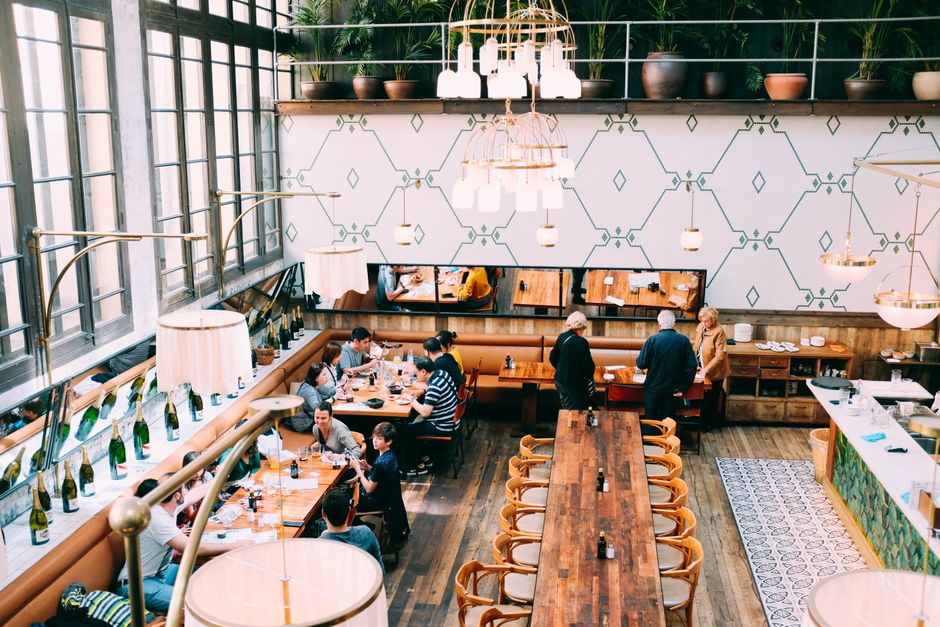
When it comes to the restaurant industry, first impressions matter. Studies show that customers often judge a restaurant based on its interior design within the first few moments of entering. A well-thought-out design can evoke emotions, set the mood, and even influence the customers’ perception of the food quality.
Moreover, the layout and design of a restaurant can directly impact operational efficiency. A well-planned space allows for smooth workflow among staff, which can enhance service speed and overall customer satisfaction. For instance, having the kitchen strategically placed near the dining area can reduce the time it takes for meals to reach customers.
Key Elements of Restaurant Interior Design
Several key elements contribute to effective restaurant interior design. These include layout, color scheme, lighting, furnishings, and decor. Each of these elements plays a pivotal role in creating an inviting atmosphere.
The layout is perhaps the most critical aspect. An open floor plan can provide a sense of spaciousness, while a more intimate layout can make customers feel cozy and comfortable. Similarly, the choice of color can influence mood; warm colors like red and orange can stimulate appetite, while cool tones like blue can create a calming environment.
Lighting is another essential factor. Natural lighting can enhance the dining experience, while well-placed artificial lighting can create ambiance during evening hours. It’s crucial to consider the balance of light to ensure it complements the overall design theme.
Trends in Restaurant Interior Design
As consumer preferences evolve, so do trends in restaurant interior design. Currently, there is a significant shift towards sustainable and eco-friendly designs. Restaurants are increasingly using reclaimed materials, energy-efficient lighting, and sustainable furnishings, appealing to environmentally conscious diners.
Another emerging trend is the incorporation of technology into restaurant design. Concepts like digital menus and interactive dining experiences are becoming more popular, enhancing customer engagement. Additionally, open kitchens, where diners can see their food being prepared, are gaining traction as they provide transparency and a unique dining experience.
Case Studies of Successful Restaurant Designs
Examining successful restaurant designs can provide valuable insights. For example, the renowned restaurant Noma in Copenhagen uses minimalist design principles to emphasize the natural beauty of the ingredients they serve. The interior design focuses on earthy tones and natural materials, creating a seamless connection between the food and the environment.
Similarly, the restaurant chain Shake Shack employs a modern, casual design that reflects its brand identity. With bright colors, communal seating, and an open kitchen, Shake Shack creates an inviting atmosphere that encourages social interaction.
Practical Tips for Designing Your Restaurant
When planning the interior design of your restaurant, consider these practical tips. First, define your brand identity clearly and ensure that your design reflects this identity. Whether it’s a casual diner or an upscale dining experience, the design should tell a story that resonates with your target audience.
Additionally, invest in quality furnishings that are not only stylish but also durable. Restaurant furniture undergoes significant wear and tear, so it’s essential to choose materials that can withstand heavy use while still looking good.
Lastly, don’t underestimate the importance of customer feedback. Regularly soliciting customer opinions on the design can provide insights into what works and what doesn’t, allowing for continuous improvement.
For those looking to delve deeper into the nuances of restaurant interior design, numerous resources and professionals are available to assist in creating the perfect dining space.
Conclusion
In conclusion, restaurant interior design is a multifaceted discipline that requires careful consideration of various elements. By understanding the importance of design, keeping up with trends, and implementing practical tips, restaurant owners can create an inviting atmosphere that enhances customer experience and drives business success. Whether you are starting a new restaurant or renovating an existing space, investing in thoughtful interior design is a decision that can yield significant returns.