









As aesthetic procedures continue to gain popularity, liposuction stands out as one of the most sought-after options for body contouring. However, many potential patients find themselves grappling with a crucial question: how much does liposuction actually cost? Understanding the financial implications of this procedure is essential for making informed decisions. This article aims to dissect the various factors that influence the costs associated with liposuction, helping readers navigate through the complexities of pricing.
Factors Influencing Liposuction Costs
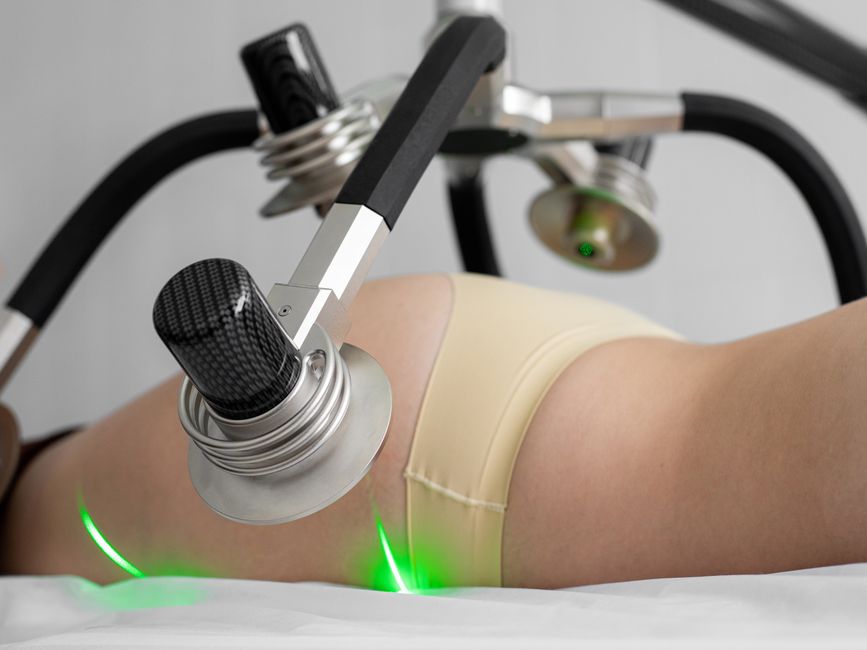
The cost of liposuction is not a one-size-fits-all figure; it can vary significantly based on several factors. First and foremost, the geographic location of the procedure plays a critical role. For instance, costs tend to be higher in metropolitan areas compared to rural regions. Additionally, the experience and reputation of the surgeon can also affect the price. Highly skilled and experienced plastic surgeons often charge more due to their expertise and track record of successful outcomes.
Another important factor is the type of liposuction technique used. Traditional liposuction, tumescent liposuction, and newer methods like laser-assisted liposuction all come with different price tags. Patients should discuss the available options with their surgeon to understand how each technique may influence their overall costs.
Lastly, the complexity of the procedure and the areas being treated can impact the final price. Liposuction on multiple areas of the body usually incurs higher costs compared to a single area. Thus, patients must consider their specific needs and goals when evaluating potential expenses.
Average Cost Estimates
While it is challenging to provide a definitive figure for liposuction costs, some estimates can help set realistic expectations. On average, the cost of liposuction in the United States ranges from $3,000 to $7,000. According to the American Society of Plastic Surgeons, the national average cost for liposuction was around $3,637 in 2020. This figure does not include anesthesia, operating room facilities, or other related expenses, which can add several thousand dollars to the total cost.
Moreover, many clinics offer financing options to help patients manage the costs. Patients should inquire about payment plans and whether their chosen facility provides any financial assistance programs. This can make the procedure more accessible to individuals considering liposuction.
Hidden Costs to Consider
Beyond the initial price quote, patients must also be aware of potential hidden costs associated with liposuction. These can include consultation fees, anesthesia fees, and post-operative care costs. Some facilities may charge for follow-up visits or additional treatments that may be necessary after the surgery.
Furthermore, patients should factor in recovery time and any associated costs. Depending on the extent of the procedure, recovery can take anywhere from a few days to several weeks. During this time, patients may need to take time off work, which can lead to lost wages. Understanding these additional expenses is crucial for anyone considering liposuction.
Lastly, it’s essential to be cautious of bargain prices. While it may be tempting to choose the cheapest option, patients should prioritize safety and quality over cost. Selecting a qualified and experienced surgeon is paramount to achieving satisfactory results.
Insurance Coverage and Financing Options
Liposuction is generally considered a cosmetic procedure, which means that health insurance typically does not cover the costs. However, if the procedure is deemed medically necessary, some insurance plans may provide partial coverage. For example, liposuction may be considered for patients suffering from lipedema, a condition that causes painful fat accumulation.
For most individuals seeking cosmetic liposuction, exploring financing options is advisable. Many clinics offer payment plans, allowing patients to break down the total cost into manageable monthly payments. Additionally, third-party financing companies specialize in medical procedures, providing loans specifically for cosmetic surgeries.
Patients should thoroughly research and compare financing options to find the best fit for their financial situation. This can help alleviate the financial burden and make the decision to undergo liposuction more manageable.
Conclusion
In conclusion, understanding the costs associated with liposuction is a vital step in the decision-making process for potential patients. By considering the various factors that influence pricing, average cost estimates, hidden costs, and financing options, individuals can better prepare themselves for the financial commitment involved. Ultimately, thorough research and informed discussions with qualified surgeons will aid in making the best choices for achieving desired aesthetic goals. For more detailed information, you can check the liposuction cost on reputable medical websites.