









In today’s digital age, securing access to sensitive information and physical spaces is more crucial than ever. Access control systems (ACS) are essential in managing who can enter certain areas or access specific data. These systems play a vital role in protecting organizations from unauthorized access, ensuring that only authorized personnel can reach sensitive information and secure locations. This article delves into the various types of access control systems, their components, and their significance in modern security.
What is an Access Control System?
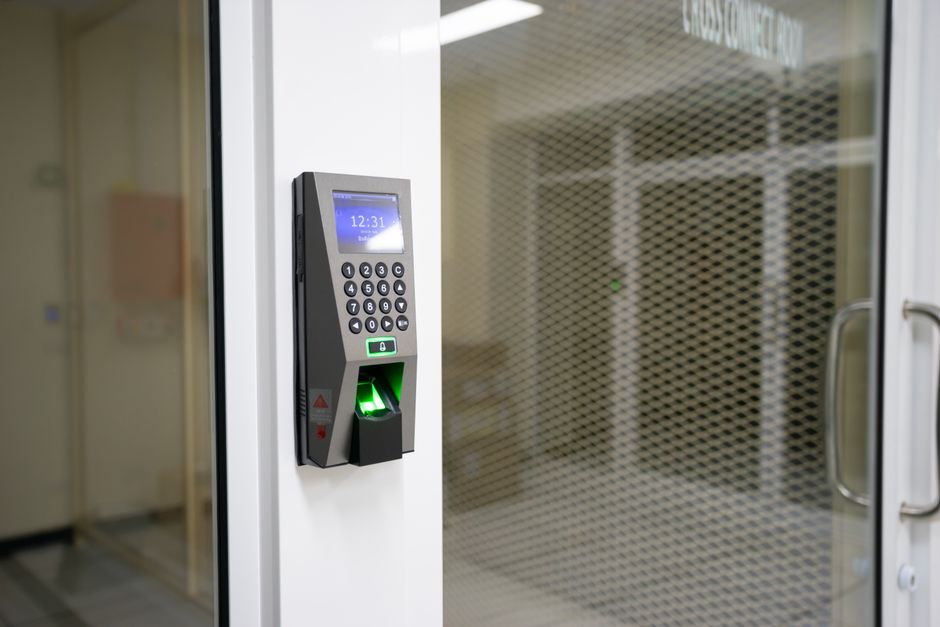
An access control system is a security mechanism that regulates who can view or use resources in a computing environment or physical space. By implementing these systems, organizations can prevent unauthorized access, ensuring that only individuals with permissions can enter restricted areas or access confidential information. Various technologies are employed in access control systems, including biometric scanners, RFID cards, and keypads.
Access control systems can be categorized into different types: discretionary access control (DAC), mandatory access control (MAC), and role-based access control (RBAC). Each of these types serves a unique purpose in managing access based on different criteria, enhancing security protocols within organizations.
Components of Access Control Systems
Access control systems consist of several key components that work together to provide security. These components include:
- Access Control Readers: Devices that authenticate individuals attempting to gain entry, such as card readers and biometric scanners.
- Control Panels: Central units that manage access permissions and communicate with the readers and locks.
- Locks: Electronic or mechanical locks that physically secure entry points.
- Software: Programs that allow administrators to set permissions, manage users, and monitor access events.
For instance, an organization might use a combination of a biometric scanner and a control panel linked to a comprehensive software system to manage employee access to sensitive areas. This integration ensures a streamlined and secure access process.
Benefits of Implementing Access Control Systems
Implementing an access control system offers numerous benefits for organizations, including:
- Enhanced Security: By regulating access, organizations can better protect sensitive information and secure physical spaces from unauthorized individuals.
- Improved Monitoring: Access control systems provide detailed logs of who accessed specific areas and when, allowing for effective monitoring and auditing.
- Reduced Risk of Theft: With restricted access, the likelihood of theft or data breaches is significantly reduced.
- Flexibility: Modern access control systems can be easily customized to fit the unique needs of different organizations, accommodating various access levels and permissions.
For example, many companies have adopted advanced ACS that integrate with existing security systems, enhancing their overall security posture while maintaining flexibility and ease of use.
Challenges and Considerations
While access control systems offer various advantages, there are challenges that organizations must consider when implementing them:
- Cost: Depending on the technology and scale, the initial setup of an access control system can be expensive, which may deter some organizations.
- Complexity: Managing permissions and ensuring that the system is updated can be complex, especially for larger organizations with many employees.
- Technology Dependence: An over-reliance on technology can lead to vulnerabilities, especially if the system fails or experiences a cyber attack.
Organizations must weigh these challenges against the benefits to ensure they are making informed decisions regarding their security measures.
Future Trends in Access Control Systems
The future of access control systems is promising, with several emerging trends shaping their development:
- Cloud-Based Solutions: More organizations are turning to cloud-based access control systems for their flexibility and scalability.
- Biometric Authentication: The use of biometric data, such as fingerprints and facial recognition, is becoming increasingly popular for its accuracy and security.
- Integration with IoT: As the Internet of Things (IoT) expands, access control systems are being integrated with smart devices to enhance security further.
As these trends evolve, organizations can expect more efficient, secure, and user-friendly access control solutions. For instance, the adoption of cloud technologies allows for easier management and real-time updates, which can significantly enhance an organization’s security framework.
Conclusion
Access control systems are a critical component of modern security infrastructure, providing essential protections against unauthorized access and potential threats. By understanding the various types, components, and benefits of these systems, organizations can make informed decisions about their security needs. As technology continues to advance, leveraging access control systems will be vital in safeguarding sensitive information and ensuring a secure environment for employees and assets. For a deeper understanding of how these systems function, you can explore the principles of an access control system in various contexts.