









The aftermath of a crime scene is often filled with chaos and confusion. Once the police have completed their investigation, the responsibility of cleaning up the scene falls on specialized cleaning teams. This article delves into the intricacies of crime scene cleanup, highlighting its importance, the process involved, and the professionals dedicated to this challenging task.
Understanding Crime Scene Cleanup
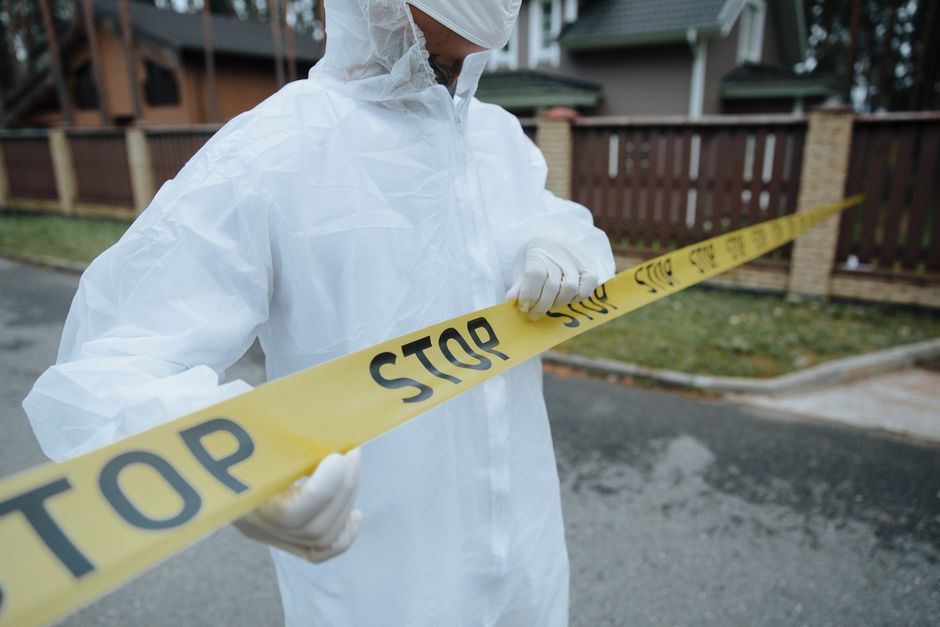
Crime scene cleanup is not merely about tidying up a space; it involves a thorough process of removing hazardous materials, biohazards, and potential evidence. These scenes can range from violent crimes, such as homicides, to accidents, suicides, or unattended deaths. The emotional toll on families and communities cannot be overstated, and professional cleanup services play a crucial role in restoring a sense of normalcy.
One significant aspect of crime scene cleanup is the need for specialized training. Technicians must understand the health risks associated with biohazards, including bloodborne pathogens and other infectious materials. They also need to be familiar with local laws regarding the handling and disposal of hazardous waste.
The Cleanup Process
The process of crime scene cleanup typically begins with a thorough assessment of the site. Teams evaluate the extent of the contamination and determine the necessary steps for restoration. This initial evaluation is critical in establishing a cleaning plan that ensures all hazardous materials are safely removed.
Once the assessment is complete, technicians don personal protective equipment (PPE) to safeguard themselves from potential risks. The cleaning involves meticulous procedures that include disinfecting surfaces, disposing of contaminated materials, and deodorizing the area to eliminate any residual odors. All of these steps are essential to ensure that the site is safe for re-entry.
In cases involving violent crimes, the cleanup process can be particularly complex. For instance, blood spills require specialized techniques to remove stains and sanitize the area effectively. Professional teams often use industrial-grade cleaning agents and equipment to ensure thorough disinfection.
crime scene cleanup is vital not only for safety but also for emotional closure for the families affected.
Legal and Ethical Considerations
Crime scene cleanup is governed by various local, state, and federal regulations. Companies must comply with OSHA standards regarding hazardous waste disposal and employee safety. Additionally, ethical considerations come into play, particularly in how families are treated during this sensitive time.
Professionals in this field must navigate the delicate balance of providing necessary services while being respectful and compassionate. Communication with families is key; many cleanup companies offer counseling resources to help individuals cope with the trauma associated with the scene.
Choosing the Right Cleanup Service
When selecting a crime scene cleanup service, it’s essential to consider their experience, certifications, and reviews. Look for companies that are licensed and insured, as this provides an added layer of assurance regarding their professionalism and capability.
Furthermore, transparency in pricing and services offered is crucial. Reputable companies will provide detailed explanations of their processes and what clients can expect. Many also offer 24/7 availability, ensuring that families can access support when needed the most.
Conclusion
Crime scene cleanup is a critical, albeit often overlooked, aspect of the aftermath of a tragedy. It involves more than just cleaning; it is about restoring a space while ensuring safety and offering compassion to those affected. By understanding the complexities of this field, individuals can better appreciate the importance of professional cleanup services and the vital role they play in healing and recovery.