









The rise of drone technology has transformed various industries, from agriculture to cinematography. As the demand for skilled drone pilots continues to grow, obtaining a drone pilot certification has become increasingly important. This guide will explore the certification process, its significance, and the steps you need to take to become a certified drone pilot.
Understanding Drone Pilot Certification
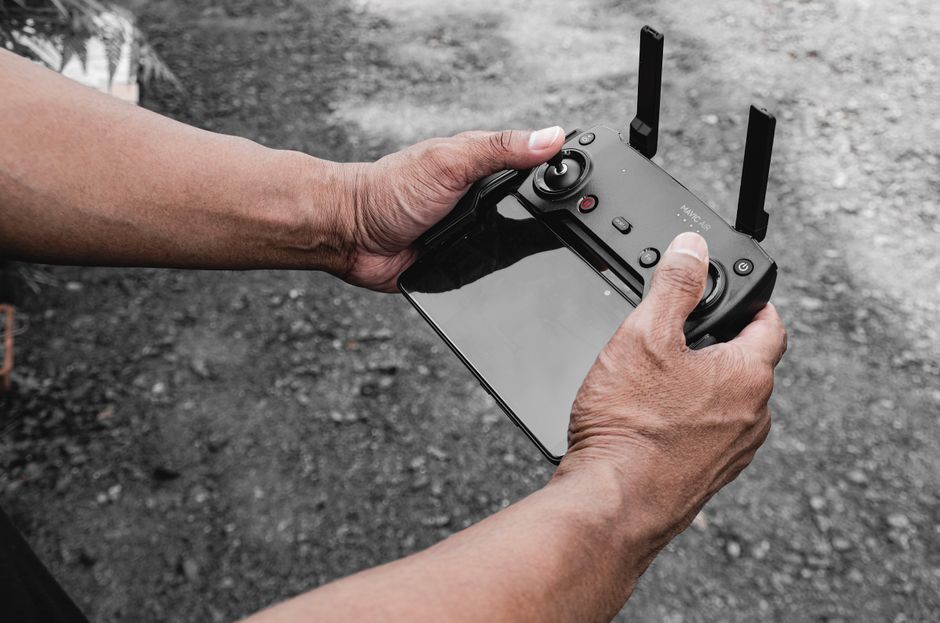
Drone pilot certification is a formal recognition that a pilot has the required skills, knowledge, and training to operate drones safely and efficiently. In many countries, regulatory bodies have established certification requirements to ensure that drone operations comply with safety standards and regulations.
In the United States, for example, the Federal Aviation Administration (FAA) mandates that commercial drone pilots obtain a Remote Pilot Certificate. This requirement ensures that pilots understand airspace rules, weather conditions, and safe flying practices.
Certification not only enhances a pilot’s credibility but also opens up numerous job opportunities in various sectors, such as real estate, construction, and search and rescue operations. With the rapid advancement of drone technology, being certified allows pilots to stay competitive in the job market.
The Steps to Obtain Certification
Acquiring drone pilot certification typically involves several key steps. First, aspiring pilots should familiarize themselves with the regulations governing drone operations in their country. This information can often be found on the official website of the national aviation authority.
Next, prospective pilots should undertake training, which can be completed through various means, including online courses, in-person classes, or hands-on flight training. Many training programs also provide resources for preparing for the written exam required for certification.
After completing the necessary training, candidates will need to pass a written exam that tests their knowledge of aviation principles, safety regulations, and operational procedures. Once they pass the exam, they can apply for their certification through the appropriate regulatory body.
The Importance of Ongoing Education
Becoming certified is not the end of the journey. The drone industry is continually evolving, with new technologies and regulations emerging regularly. Therefore, ongoing education is crucial for maintaining certification and ensuring that pilots remain knowledgeable about the latest developments.
Many certification bodies require pilots to complete recurrent training or continuing education courses to renew their certifications periodically. This requirement helps ensure that pilots are up-to-date with current safety practices and regulatory changes.
Additionally, participating in workshops, seminars, and industry conferences can provide valuable networking opportunities and insights into the future of drone technology.
Career Opportunities for Certified Drone Pilots
The demand for certified drone pilots is on the rise across various industries. In agriculture, for instance, drones are used for crop monitoring, soil analysis, and precision farming, allowing farmers to make informed decisions to enhance productivity.
In real estate, drone pilots can capture stunning aerial imagery and videos that showcase properties from unique angles, making listings more appealing to potential buyers. Similarly, in construction, drones assist in site surveying, project monitoring, and safety inspections.
Moreover, emergency response teams increasingly rely on drones for search and rescue operations, disaster management, and situational awareness during emergencies. The versatility of drones in these applications highlights the importance of having skilled, certified pilots who can operate them effectively.
Conclusion: The Future of Drone Pilot Certification
As drone technology continues to advance, the importance of drone pilot certification will only grow. Obtaining a drone pilot certification not only enhances a pilot’s skills but also opens doors to a multitude of career opportunities in various fields. By staying informed about regulations, pursuing ongoing education, and embracing the latest technological advancements, certified drone pilots can position themselves for success in this dynamic industry.