









Barbecue is more than just a cooking method; it’s a culinary tradition that brings people together. From the smoky aroma of grilled meats to the sizzle of vegetables on the grill, barbecue evokes a sense of community and celebration. In this article, we will explore the various styles, techniques, and cultural significance of barbecue, illustrating why it holds a special place in the hearts of food lovers around the world.
Understanding the Origins of Barbecue
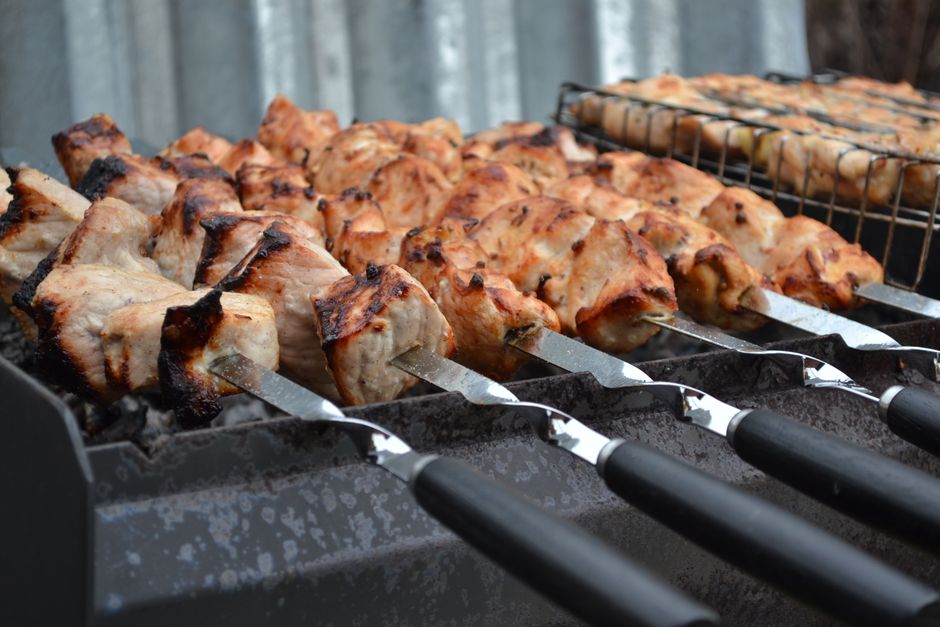
The term ‘barbecue’ is often believed to have originated from the Taino word ‘barbacoa,’ referring to a wooden framework used for cooking meat. This method of cooking has deep roots in various cultures, particularly in the Americas. In the Southern United States, barbecue has developed into a distinct culinary art form, characterized by regional variations that reflect local tastes and traditions.
For instance, Texas barbecue is famous for its beef brisket, slow-cooked over a wood fire, while North Carolina is known for its pulled pork, often served with a vinegar-based sauce. Each region boasts its own unique flavor profiles and cooking techniques, showcasing the diversity of this beloved food.
Essential Barbecue Techniques
Mastering the art of barbecue requires a combination of skills, patience, and knowledge of different cooking methods. The two primary techniques are grilling and smoking, each offering its own distinct flavors and textures.
Grilling involves cooking food directly over high heat, typically on a gas or charcoal grill. This method is ideal for quick-cooking meats, vegetables, and seafood. In contrast, smoking is a slow cooking process that infuses food with rich, smoky flavors. This technique often requires specialized equipment, such as a smoker or a charcoal grill set up for indirect cooking.
Regardless of the technique, understanding the importance of temperature control is crucial. For example, maintaining a consistent temperature of around 225°F to 250°F is essential for smoking meats to achieve that tender, fall-off-the-bone texture. Additionally, using a meat thermometer can help ensure that meats are cooked to the proper internal temperature, enhancing both safety and flavor.
Choosing the Right Ingredients
The foundation of great barbecue lies in selecting high-quality ingredients. When it comes to meats, opting for cuts with good marbling can significantly enhance flavor and tenderness. Cuts such as brisket, ribs, and pork shoulder are popular choices for barbecuing due to their ability to absorb flavors and maintain moisture during long cooking times.
Moreover, the choice of wood for smoking can greatly impact the final flavor. Different types of wood, such as hickory, mesquite, and applewood, impart unique flavors to the meat. For instance, hickory offers a strong, bold flavor while applewood provides a subtle sweetness. Experimenting with different woods can lead to discovering your personal favorite flavor combinations.
Barbecue Sauces and Rubs
No barbecue experience is complete without a variety of sauces and rubs. These condiments not only enhance the flavor of grilled or smoked meats but also reflect regional preferences. For example, Kansas City barbecue sauce is thick and sweet, while Memphis-style sauce tends to be thinner and tangier.
Rub recipes can vary widely, but they typically consist of a blend of spices such as paprika, cumin, garlic powder, and brown sugar. Applying a dry rub to meats before cooking allows the flavors to penetrate, creating a delicious crust during the cooking process. Additionally, many barbecue enthusiasts often create their own signature sauces, adding a personal touch to their dishes.
It’s also worth noting that some people prefer to serve sauces on the side, allowing guests to customize their flavor experience. This flexibility can make barbecue gatherings even more enjoyable.
Hosting the Perfect Barbecue
Hosting a barbecue is an excellent way to gather friends and family for a memorable culinary experience. To ensure a successful event, planning is key. Start by selecting a menu that caters to your guests’ preferences, including a variety of meats, sides, and beverages.
Furthermore, consider the layout of your grilling area. Ensure that you have enough space for grilling and serving, as well as seating for your guests. Having a designated area for food preparation can also streamline the cooking process, allowing you to focus on entertaining.
Don’t forget to provide plenty of sides, such as coleslaw, baked beans, and cornbread, which complement the main dishes perfectly. Additionally, refreshing beverages, including iced tea, lemonade, or craft beer, can enhance the overall experience. As you enjoy the day, remember to engage with your guests and share the stories behind your barbecue techniques, much like the traditions celebrated in barbecue cultures around the world.
Conclusion
Barbecue is more than just a way to cook; it’s a celebration of flavors, traditions, and togetherness. From understanding the origins and techniques to selecting quality ingredients and sauces, mastering barbecue can be a rewarding endeavor. So fire up your grill, invite friends and family, and enjoy the rich experience that barbecue brings. As you delve deeper into this culinary art, remember that the skills you develop will only enhance your love for this timeless tradition. For any inquiries or collaborations, feel free to reach out to Zeus.