









Crop insurance plays a crucial role in the agricultural sector, offering farmers a safety net against unpredictable weather conditions, pests, and other unforeseen challenges. With the increasing volatility in climate patterns and market prices, understanding the intricacies of crop insurance has become more important than ever for farmers looking to safeguard their livelihoods. This article delves into what crop insurance is, its types, benefits, and how it can be a game-changer for farmers.
What is Crop Insurance?
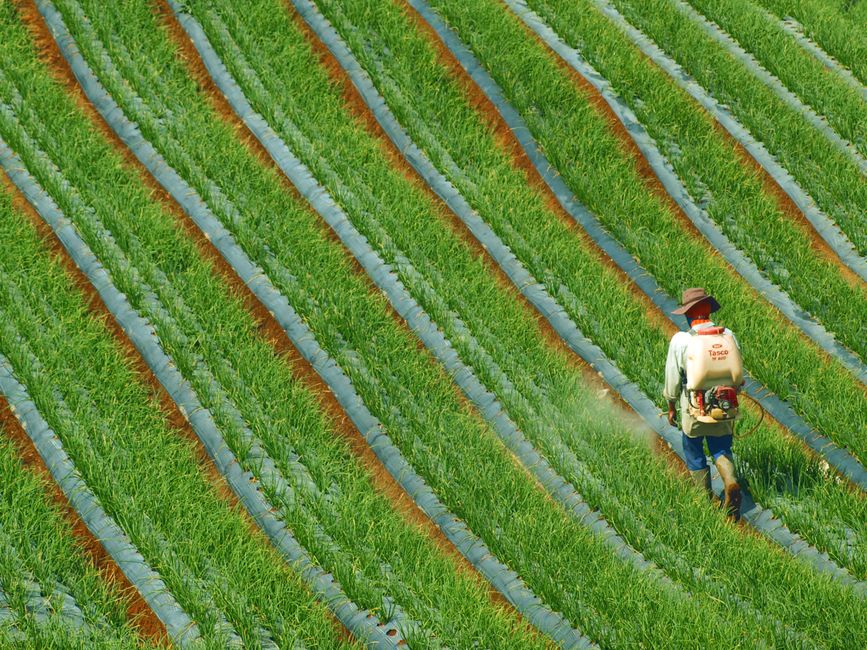
Crop insurance is a type of insurance designed to protect farmers against loss of or damage to their crops. It provides financial reimbursement to farmers in case their crops fail due to specified risks. These risks can include natural disasters such as droughts, floods, and hurricanes, as well as other factors like pest infestations and disease outbreaks. By providing a safety net, crop insurance can help stabilize farmers’ income and ensure the sustainability of their operations.
In the United States, crop insurance is primarily provided through the Federal Crop Insurance Corporation (FCIC), which offers various policies tailored to different crops and farming practices. Farmers can choose from multiple plans that suit their specific needs and risk profiles.
Types of Crop Insurance
There are two main types of crop insurance: Actual Production History (APH) insurance and Revenue Protection (RP) insurance. APH insurance protects against the loss of yield, compensating farmers for the production lost due to covered events. On the other hand, RP insurance covers both yield loss and revenue loss, taking into account the price of the crop at the time of loss. This dual protection can be particularly beneficial in times of market fluctuations.
Additionally, there are specialized policies available for certain crops or in specific regions, reflecting the unique risks associated with different agricultural practices. For instance, multi-peril crop insurance (MPCI) is designed to cover a broad range of risks and is commonly used by farmers across various sectors.
Benefits of Crop Insurance
The primary benefit of crop insurance is financial protection. In the event of a crop failure, farmers can receive compensation, which helps them cover operational costs and maintain their livelihood. This financial security can be crucial, especially for smallholder farmers who may lack other sources of income or savings.
Moreover, crop insurance encourages farmers to invest in better farming practices and technology, knowing that they have a safety net in place. This can lead to increased productivity and sustainability in the long run. For example, farmers who invest in drought-resistant seeds may feel more confident making this investment if they know they can recover some costs through insurance in case of crop failure.
Another significant advantage is that crop insurance can enhance access to credit. Lenders are often more willing to provide loans to farmers with insurance coverage, as it reduces the risk associated with lending. This can help farmers secure funding for improvements or expansions of their operations.
Challenges and Considerations
While crop insurance offers numerous benefits, there are challenges and considerations that farmers must keep in mind. One of the main concerns is the cost of premiums, which can be a burden for some farmers, particularly in low-margin sectors. It’s essential for farmers to carefully evaluate their risk exposure and the potential benefits of insurance before making a decision.
Furthermore, the effectiveness of crop insurance can vary based on the type of policy chosen and the specific circumstances of each farming operation. Farmers must thoroughly understand the terms, conditions, and exclusions of their policies to ensure they are adequately protected.
Another challenge is the complexity of the application and claims process, which can be daunting for farmers unfamiliar with insurance procedures. Many farmers may benefit from working with insurance agents who specialize in agricultural policies to help navigate these complexities.
The Future of Crop Insurance
The future of crop insurance is likely to evolve alongside advancements in technology and changes in climate patterns. Increasingly, data analytics and precision agriculture are being integrated into crop insurance models, allowing for more tailored policies and better risk assessment.
Moreover, as climate change continues to impact agricultural practices, crop insurance may become even more essential. Policymakers and agricultural organizations must work together to ensure that crop insurance remains accessible and effective for farmers, providing the necessary support in an ever-changing environment.
Ultimately, understanding crop insurance and its role in the agricultural landscape is vital for farmers seeking to protect their investments and ensure the longevity of their operations. For more detailed information on crop insurance options, you can refer to crop insurance resources available through various agricultural agencies.
Conclusion
In conclusion, crop insurance is an essential tool for farmers, providing a means to mitigate risks associated with crop production. By understanding the various types of insurance, their benefits, and the challenges involved, farmers can make informed decisions that will help secure their financial future. As the agricultural landscape continues to evolve, staying informed about crop insurance options will be key to navigating the complexities of farming in today’s uncertain environment.