









Education is undergoing a significant transformation in the 21st century. With the rapid advancement of technology, traditional learning methods are being challenged and redefined. This article explores the evolving landscape of education, highlighting innovative approaches, the role of technology, and the importance of adaptability in learning.
The Shift from Traditional to Modern Learning Methods
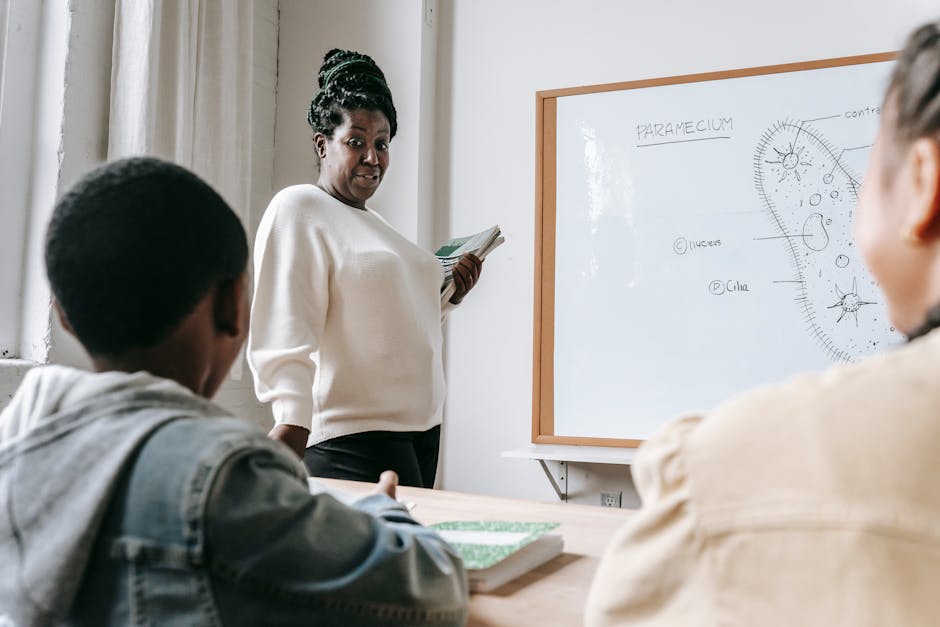
In the past, education was primarily focused on rote memorization and standardized testing. However, modern educational philosophies emphasize critical thinking, creativity, and personalized learning. Schools and institutions are moving towards project-based learning, where students engage in hands-on projects that require collaboration and problem-solving skills. This shift is crucial for preparing students for real-world challenges.
For instance, the introduction of design thinking in classrooms encourages students to tackle problems creatively. This method allows students to empathize with users, define problems, ideate solutions, prototype, and test their ideas. Such approaches not only enhance engagement but also develop essential skills needed in the workforce.
The Role of Technology in Education
Technology has revolutionized education, making learning more accessible and engaging. Online platforms and digital resources provide students with a wealth of information at their fingertips. From e-books to interactive simulations, educational technology caters to diverse learning styles and needs.
Moreover, the COVID-19 pandemic accelerated the adoption of online learning. Virtual classrooms became the norm, leading to the rise of blended learning models that combine in-person and online instruction. As a result, students can learn at their own pace, accessing materials whenever and wherever they need.
However, the integration of technology in education also poses challenges. Issues such as the digital divide highlight the disparities in access to technology among students. To address these challenges, educators and policymakers must prioritize equitable access to digital resources.
The Importance of Lifelong Learning
In today’s fast-paced world, the concept of lifelong learning has gained significant importance. As industries evolve and new skills emerge, individuals must continuously update their knowledge and abilities. This need for ongoing education goes beyond formal schooling; it encompasses professional development, online courses, and self-directed learning.
Organizations and businesses are increasingly recognizing the value of investing in employee training programs. By offering opportunities for skill development, companies can enhance workforce productivity and adaptability. This is where resources like toto togel come into play, providing access to various educational materials that support lifelong learning.
Fostering a Growth Mindset in Education
Encouraging a growth mindset among students is essential for their success. A growth mindset promotes the belief that abilities and intelligence can be developed through effort and perseverance. Educators can foster this mindset by emphasizing the importance of resilience, embracing challenges, and learning from failures.
Classroom environments that celebrate effort over achievement encourage students to take risks and pursue their interests. This approach not only boosts confidence but also cultivates a love for learning, which is fundamental for personal and academic growth.
Conclusion: Preparing for the Future of Education
As we look to the future, it is clear that education must continue to evolve. Embracing innovative teaching methods, leveraging technology, and promoting lifelong learning are key components of this transformation. By fostering a growth mindset and adapting to changing circumstances, educators can prepare students for success in an ever-changing world. The future of education is bright, and it holds the promise of creating engaged, capable, and adaptable learners.