









Psycho-social care has evolved significantly over the past few decades, leading to the creation of specialized facilities known as psychiatric hospitals. These institutions play a crucial role in the treatment and management of various mental health disorders, offering an array of services tailored to individual needs. In this article, we will explore the functions, types, and importance of psychiatric hospitals, as well as the journey patients experience during their stay.
The Role of Psychiatric Hospitals
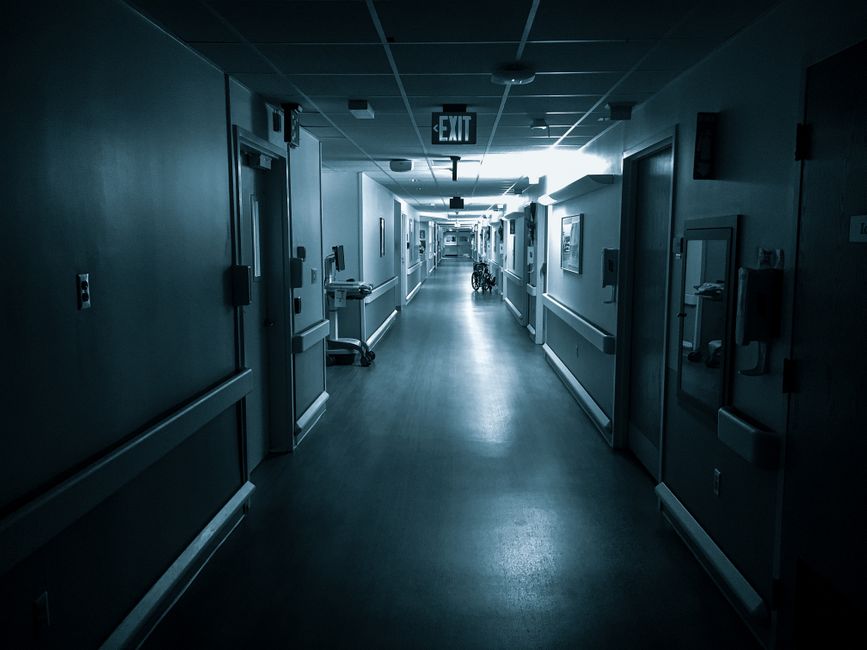
Psychiatric hospitals serve as essential healthcare facilities where individuals with mental health issues receive comprehensive treatment. Their primary role is to provide a safe and structured environment conducive to healing. This includes inpatient care, outpatient services, and emergency interventions. Each patient’s treatment plan is tailored to their specific needs, ensuring they receive the right level of care.
In addition to medical treatment, psychiatric hospitals also emphasize therapeutic interventions. These may involve individual therapy, group therapy, and various support programs designed to help patients develop coping strategies and improve their overall quality of life. The combination of medical and therapeutic approaches is fundamental in managing conditions such as schizophrenia, bipolar disorder, and severe depression.
Types of Psychiatric Facilities
There are several types of psychiatric facilities, each designed to cater to different levels of care. Acute care hospitals provide immediate and intensive treatment for patients experiencing severe mental health crises. These facilities typically have a short-term focus, aiming to stabilize patients before transitioning them to less intensive forms of treatment.
On the other hand, long-term psychiatric hospitals offer extended care for individuals requiring prolonged support. These facilities often focus on rehabilitation and reintegration into society, providing patients with the necessary tools to manage their conditions effectively. Furthermore, specialized facilities, such as those for children and adolescents, cater specifically to younger populations, addressing their unique developmental needs.
The Patient Experience
Entering a psychiatric hospital can be a daunting experience for many individuals. Patients often arrive feeling scared, confused, and uncertain about what to expect. The intake process typically involves comprehensive assessments conducted by mental health professionals, including psychiatrists, psychologists, and social workers. These assessments help determine the appropriate treatment plan tailored to each patient’s needs.
Once admitted, patients may engage in a variety of therapeutic activities designed to support their recovery. For instance, art and music therapy can provide creative outlets for expressing emotions, while mindfulness and relaxation techniques can help reduce anxiety. Additionally, group therapy sessions foster a sense of community among patients, allowing them to share experiences and support one another.
Challenges and Stigmas
Despite the essential role psychiatric hospitals play, they often face significant challenges, including societal stigma. Many individuals view psychiatric treatment with skepticism, often associating it with negative stereotypes. This stigma can deter individuals from seeking help, leading to worsening mental health conditions.
Moreover, funding and resource allocation remain persistent issues within psychiatric care. Many hospitals struggle with limited budgets, impacting the quality and availability of services. Advocacy for mental health awareness and increased funding is vital to ensure that psychiatric hospitals can continue to provide high-quality care.
Future Directions in Psychiatric Care
The future of psychiatric hospitals appears promising as advancements in mental health care continue to evolve. Innovative treatment modalities, such as telepsychiatry, are becoming increasingly popular, allowing patients to receive care from the comfort of their homes. This approach is particularly beneficial for individuals living in rural areas where access to psychiatric services may be limited.
Furthermore, there is a growing emphasis on integrating mental health care with primary health services. This holistic approach recognizes that mental health is an integral part of overall health, leading to improved outcomes for patients. As research continues to uncover effective treatment strategies, psychiatric hospitals will be better equipped to meet the diverse needs of their patients.
Conclusion
Psychiatric hospitals play a vital role in the treatment and management of mental health disorders, offering a range of services that cater to individual needs. While challenges such as stigma and funding persist, the future of psychiatric care looks promising with advancements in treatment modalities and a growing recognition of the importance of mental health. As we continue to advocate for better mental health resources, it is crucial to understand the value psychiatric hospitals bring to society. For those seeking assistance, finding the right support is essential; for example, individuals looking for specialized care can seek guidance on how to choose the right Psychiatrist in dubai.