









Perfume has long captivated the senses, evoking emotions and memories that linger long after the scent has faded. From the ancient Egyptians, who used fragrant oils in their rituals, to modern perfumers crafting intricate blends, the art of fragrance has evolved into a global industry worth billions. This article delves into the fascinating world of perfume, exploring its history, components, and the factors that contribute to its enduring appeal.
The History of Perfume
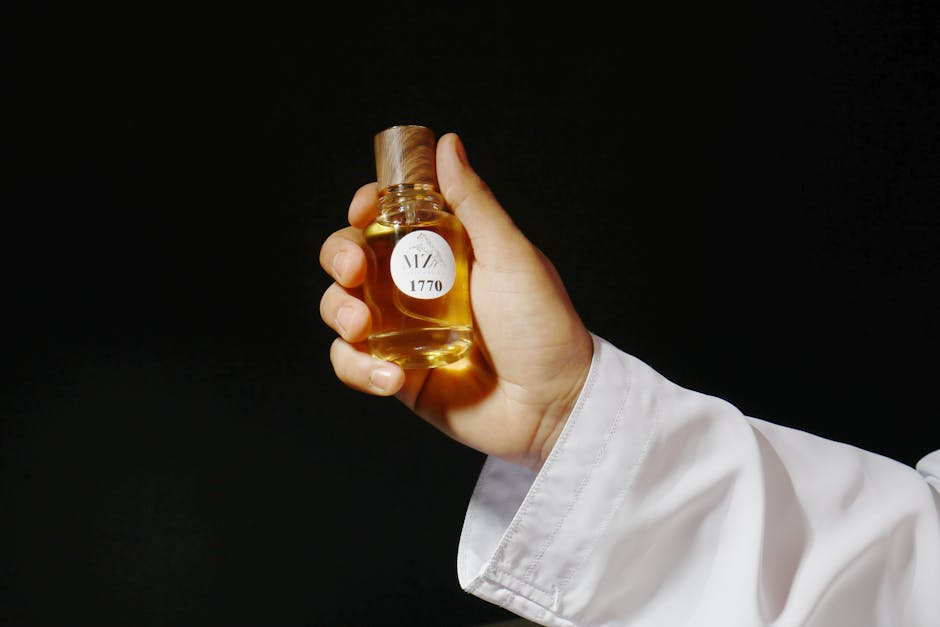
The history of perfume dates back thousands of years, with records indicating its use in ancient Egypt as far back as 3000 BC. Egyptians utilized scents in religious ceremonies and for personal use, often incorporating elements like myrrh and frankincense. The Greeks and Romans later embraced these fragrant concoctions, leading to the establishment of perfumeries in major cities.
During the Middle Ages, the art of perfumery flourished, particularly in the Islamic world, where scholars wrote extensively on the subject. The Renaissance brought about a revival of interest in scent, particularly in Europe, as the demand for luxury goods increased. By the 17th century, perfume had become a staple among the aristocracy, with famous figures like Queen Elizabeth I and Louis XIV embracing its use.
Today, the perfume industry has transformed into a sophisticated blend of artistry and science, with countless brands and fragrances available to consumers. The influence of historical figures and cultural practices can still be seen in modern perfumery, as the quest for the perfect scent continues.
The Components of Perfume
Perfume is composed of three main components: top notes, middle notes, and base notes. Each element plays a crucial role in the overall fragrance experience. Top notes are the initial scents perceived upon application, often light and volatile, such as citrus or herbal aromas. These scents tend to evaporate quickly, making way for the more robust middle notes.
Middle notes, also known as heart notes, form the core of the fragrance. They typically include floral and fruity scents, which provide balance and depth. Finally, base notes are the scents that linger the longest, providing richness and depth to the fragrance. Common base notes include woody, amber, and musky aromas. The combination of these notes creates a complex olfactory experience that evolves over time.
Understanding these components allows consumers to select fragrances that resonate with their personal preferences, making the experience of wearing perfume even more meaningful.
Factors Influencing Fragrance Choice
When it comes to selecting a fragrance, personal preference is undoubtedly the most significant factor. However, several other elements can influence a person’s choice. For instance, cultural background can play a crucial role in fragrance selection; certain scents may hold different meanings or significance in various cultures.
Additionally, seasonal changes can impact fragrance preferences. Many individuals gravitate towards lighter, fresher scents in the spring and summer, while richer, warmer fragrances are often favored during fall and winter. Personal experiences and memories also contribute to fragrance choices, as specific scents can evoke nostalgia or emotional responses.
Moreover, the rise of niche perfumeries has allowed consumers to explore unique and unconventional fragrances, expanding their olfactory horizons. Brands like Maison Francis Kurkdjian (MFK) are gaining popularity for their innovative and high-quality offerings, appealing to those seeking something distinct.
The Art of Perfume Application
Applying perfume is an art in itself, and the method can significantly influence how a fragrance develops on the skin. Many experts recommend applying perfume to pulse points, such as the wrists, neck, and behind the ears, where the body heat can enhance the scent’s projection.
Another critical aspect of application is timing; it is often suggested to apply fragrance after a shower when the skin is clean and hydrated, allowing the scent to adhere better. Additionally, layering scents with unscented lotions can help prolong the fragrance’s life, creating a more lasting impression.
Lastly, less is often more when it comes to application. Over-spraying can overwhelm the senses and detract from the perfume’s intended experience. Finding the right balance ensures that the fragrance remains a subtle yet captivating presence.
The Future of Perfume
As the perfume industry continues to evolve, several trends are emerging that will shape its future. Sustainable and eco-friendly practices are gaining traction, as consumers become more conscious of their environmental impact. Many brands are now focusing on sourcing ingredients ethically and reducing packaging waste.
Technological advancements are also playing a role, with the development of personalized fragrance experiences through artificial intelligence and data analysis. These innovations enable consumers to discover scents tailored to their preferences, enhancing the overall experience.
Moreover, the rise of online shopping has transformed how consumers explore and purchase fragrances. Virtual try-ons and scent sampling programs are becoming increasingly popular, allowing individuals to experience a wide array of options from the comfort of their homes.
Conclusion
Perfume remains a powerful form of self-expression, capable of evoking emotions and creating lasting memories. Understanding its rich history, the components that make up a fragrance, and the factors influencing scent selection can enhance the overall experience. As the industry continues to evolve, embracing sustainability and technological advancements, the allure of perfume will undoubtedly persist, captivating new generations of fragrance enthusiasts.