









Education is often regarded as the cornerstone of society, shaping individuals and communities alike. It serves as a tool for personal development, economic stability, and social progress. As we navigate the complexities of the modern world, understanding the multifaceted role of education becomes increasingly vital. This article delves into the various dimensions of education, exploring its impact on individuals and society as a whole.
The Importance of Lifelong Learning
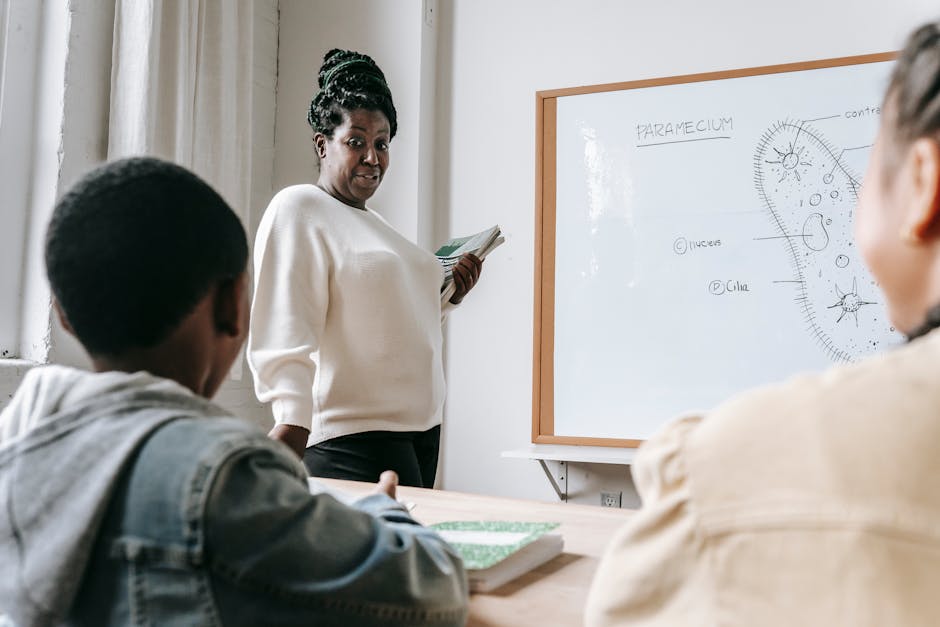
In our rapidly changing world, the concept of lifelong learning has gained significant traction. No longer confined to the traditional classroom setting, education now extends beyond formal schooling. Individuals are encouraged to continuously seek knowledge and skills throughout their lives. This ongoing pursuit of education not only enhances personal growth but also increases employability in an ever-competitive job market.
Statistics show that adults who engage in lifelong learning are more likely to attain higher wages and job satisfaction. According to a report by the OECD, adults who participate in education and training programs earn, on average, 10-15% more than those who do not. This economic advantage underscores the crucial role of education in fostering a skilled workforce.
Moreover, lifelong learning promotes adaptability. As industries evolve due to technological advancements, individuals who commit to ongoing education can better navigate these changes, ensuring they remain relevant in their fields.
Education as a Tool for Social Mobility
Education is often viewed as a gateway to social mobility, providing individuals from disadvantaged backgrounds with opportunities to overcome socioeconomic barriers. Access to quality education can significantly alter the trajectory of one’s life, leading to improved job prospects and a better quality of life.
For instance, research from the National Center for Education Statistics indicates that individuals with a bachelor’s degree earn approximately 66% more than those with only a high school diploma over their lifetimes. This disparity highlights the importance of education in breaking the cycle of poverty and empowering individuals to achieve their full potential.
Furthermore, educational institutions play a crucial role in fostering inclusivity and diversity. By providing equitable access to resources and support, schools and universities can help bridge the gap between different social groups, promoting a more cohesive society.
The Role of Technology in Education
The integration of technology into education has revolutionized the learning experience. Online platforms and digital resources have made education more accessible than ever before, breaking down geographical barriers and allowing learners from all walks of life to gain knowledge.
For example, platforms like Coursera and edX offer a wide range of courses from prestigious universities, enabling individuals to learn at their own pace and convenience. This flexibility is particularly beneficial for working professionals seeking to enhance their skills without disrupting their careers.
Moreover, technology fosters collaboration and engagement among learners. Interactive tools, such as discussion forums and video conferencing, facilitate communication, allowing students to connect with peers and instructors globally. This sense of community enhances the overall educational experience, making learning more dynamic and enjoyable.
The Impact of Education on Civic Engagement
Education plays a vital role in fostering informed and engaged citizens. As individuals acquire knowledge and critical thinking skills, they become more aware of social issues and better equipped to participate in civic activities.
Studies indicate that educated individuals are more likely to vote, volunteer, and engage in community service. A report by the Pew Research Center found that 76% of college graduates reported voting in the 2016 presidential election, compared to just 47% of those with a high school diploma. This correlation between education and civic engagement underscores the importance of fostering an educated populace for a healthy democracy.
Moreover, education empowers individuals to advocate for change within their communities. Equipped with the knowledge and skills to analyze issues critically, educated citizens can contribute to meaningful discussions and drive social progress.
Challenges Facing Education Today
Despite its many benefits, the education system faces numerous challenges that must be addressed to ensure its effectiveness. Issues such as funding disparities, access to quality resources, and outdated curricula hinder the ability of educational institutions to provide equitable and relevant education.
For instance, many public schools in low-income areas struggle with inadequate funding, leading to overcrowded classrooms and a lack of essential materials. This disparity in educational resources perpetuates inequality and limits opportunities for students from disadvantaged backgrounds.
Additionally, the rapid pace of technological advancement necessitates continual updates to curricula. Educators must adapt to new developments in various fields to prepare students for the demands of the future workforce. This requires ongoing professional development and investment in educational technology.
As we consider the future of education, it is essential to address these challenges head-on, ensuring that all individuals have access to quality education that meets their needs.
Conclusion
Education remains a powerful force for personal and societal transformation. Its role in promoting lifelong learning, social mobility, and civic engagement cannot be overstated. However, as we navigate the complexities of the modern world, it is crucial to address the challenges facing the education system to unlock its full potential. By investing in education and fostering a culture of continuous learning, we can empower individuals to thrive and contribute positively to society. For those seeking to enhance their nursing skills, options such as In person Nclex review in Houston provide valuable resources for professional development.