









Hair loss is a common concern affecting millions of people worldwide. For many, it can lead to low self-esteem and a desire for solutions that restore their hair and confidence. Among the various options available, hair transplant surgery has emerged as a popular choice. This article will delve into the intricacies of hair transplantation, the different techniques available, and what individuals can expect from the procedure.
What is Hair Transplantation?
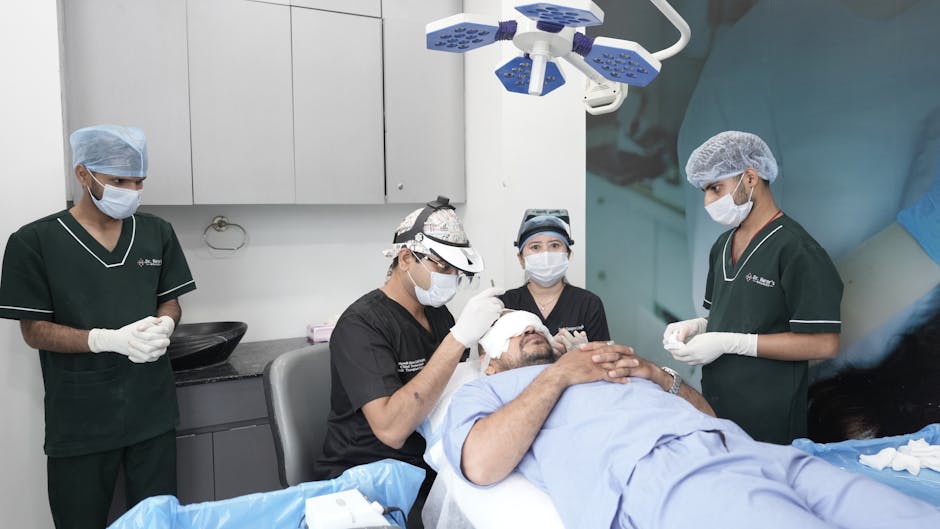
Hair transplantation is a surgical procedure that involves moving hair follicles from one part of the body, typically the back or sides of the scalp, to a balding or thinning area. This technique is particularly effective for those experiencing male or female pattern baldness. The procedure aims to provide a natural-looking hairline and restore hair density in the affected areas.
Initially developed in the 1950s, hair transplantation has evolved significantly over the decades. Today, it is performed using advanced methods that enhance the results and minimize recovery time. Patients seeking this solution should consider the different techniques available, such as Follicular Unit Transplantation (FUT) and Follicular Unit Extraction (FUE).
Techniques of Hair Transplantation
Understanding the two main techniques for hair transplantation is crucial for potential candidates. FUT involves removing a strip of skin from the donor area, from which individual hair follicles are then extracted. This method can yield a larger number of grafts in a single session but may leave a linear scar.
On the other hand, FUE is a more modern technique where individual hair follicles are harvested directly from the scalp without removing any skin. This method is less invasive and results in minimal scarring, making it a preferred choice for many patients. The choice between FUT and FUE largely depends on individual circumstances, including the extent of hair loss, the desired density, and personal preferences.
What to Expect During the Procedure
Before undergoing hair transplantation, patients typically have a consultation with their surgeon to discuss their goals, medical history, and the expected outcomes. During the procedure, local anesthesia is administered to minimize discomfort. Depending on the technique used, the surgery can take anywhere from 4 to 8 hours.
Post-surgery, patients may experience some swelling, redness, or discomfort in the treated areas. However, these symptoms usually subside within a few days. Most individuals can return to their normal activities within a week, but it is essential to follow the surgeon’s aftercare instructions for optimal results.
Cost and Considerations
The cost of hair transplantation can vary significantly based on factors such as the surgeon’s expertise, the technique used, and the number of grafts required. On average, patients can expect to pay between $4,000 and $15,000 for the procedure. While this investment can seem substantial, many individuals find the long-term benefits of restored hair and confidence to be well worth the expense.
It is also crucial for candidates to consider the potential risks and complications associated with hair transplantation. While rare, issues such as infection, scarring, or unsatisfactory results can occur. Therefore, choosing a qualified and experienced surgeon is paramount in minimizing these risks.
Finding a Qualified Surgeon
When searching for a hair transplant surgeon, it is essential to conduct thorough research. Look for board-certified professionals with a proven track record in hair restoration. Patient reviews, before-and-after photos, and consultations can provide valuable insights into a surgeon’s capabilities.
For those considering hair transplant options, traveling for the procedure can also be a viable choice. For instance, many people seek high-quality services abroad, where they can find experienced surgeons at competitive prices. One popular destination for hair transplants is Turkey, known for its advanced clinics and affordable rates. If you are interested in this option, you can explore hair transplant istanbul as a potential solution.
Conclusion
Hair transplantation offers a promising solution for individuals struggling with hair loss. By understanding the different techniques, what to expect during the procedure, and how to choose a qualified surgeon, candidates can make informed decisions about their hair restoration journey. With proper research and realistic expectations, many individuals can achieve the fuller, natural-looking hair they desire, ultimately enhancing their self-esteem and quality of life.