









In today’s fast-paced and interconnected world, the role of distributors has evolved significantly. From traditional supply chains to digital marketplaces, distributors are crucial in bridging the gap between manufacturers and consumers. They not only facilitate the movement of goods but also play a vital role in marketing, sales, and customer service. This article delves into the multifaceted responsibilities of distributors, their impact on various industries, and how businesses can leverage their strengths to drive success.
The Definition and Importance of Distributors
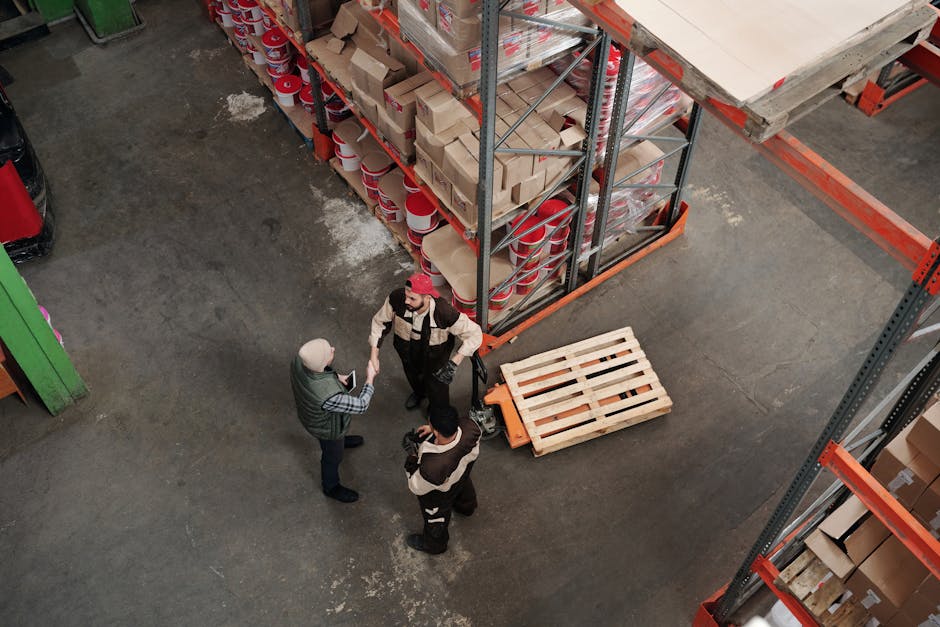
Distributors are entities or individuals that purchase products from manufacturers and sell them to retailers or directly to consumers. Their primary function is to ensure that products reach the market efficiently and effectively. This role is especially significant in industries where logistics and supply chain management are complex. According to a report by the National Association of Wholesaler-Distributors, in the United States alone, the distribution industry accounts for over $5 trillion in revenue annually.
Moreover, distributors provide invaluable services that extend beyond mere transportation. They often offer warehousing, inventory management, and product marketing services. By managing these aspects, distributors allow manufacturers to focus on production and innovation, enhancing overall efficiency in the supply chain.
Types of Distributors
Distributors can be categorized into several types based on their business models and the markets they serve. The most common types include:
- Wholesale Distributors: They buy large quantities of products directly from manufacturers and sell them to retailers. This model is prevalent in industries like food and beverage, electronics, and clothing.
- Retail Distributors: These distributors sell products directly to consumers through various channels, including brick-and-mortar stores and e-commerce platforms.
- Value-Added Resellers (VARs): These distributors enhance the product with additional services or features before selling it to the end user. VARs are common in the technology sector, where software and hardware are bundled together.
Each type of distributor plays a unique role in the supply chain, catering to different market needs and customer preferences.
The Role of Technology in Distribution
In recent years, technology has transformed the distribution landscape. E-commerce has opened new channels for distributors, allowing them to reach a broader audience. The rise of platforms like Amazon and Alibaba has changed consumer expectations, demanding faster and more reliable delivery services.
Furthermore, technologies such as artificial intelligence and data analytics are helping distributors optimize their operations. For instance, predictive analytics can forecast demand, allowing distributors to manage inventory more effectively. A study by McKinsey & Company found that companies using advanced analytics in their distribution processes saw a 15-20% reduction in inventory costs.
Additionally, automation in warehousing and logistics, such as the use of drones and autonomous vehicles, is revolutionizing how products are stored and delivered. These innovations not only enhance efficiency but also improve customer satisfaction by ensuring timely deliveries.
Challenges Faced by Distributors
Despite their critical role, distributors face several challenges. One of the most pressing issues is managing supply chain disruptions, which can arise from various factors such as natural disasters, political instability, or global pandemics. The COVID-19 pandemic, for instance, highlighted vulnerabilities in supply chains worldwide, forcing distributors to adapt quickly.
Another challenge is the increasing competition from direct-to-consumer models. Many manufacturers are bypassing traditional distribution channels to sell directly to consumers, which can threaten the viability of distributors. To remain competitive, distributors must find ways to add value through services like customized solutions, enhanced customer support, and integrated logistics.
The Future of Distribution
Looking ahead, the future of distribution is likely to be shaped by ongoing technological advancements and changing consumer behaviors. As e-commerce continues to grow, distributors will need to adapt their strategies to meet the demands of a digital marketplace. This includes investing in technology to improve efficiency and enhance customer experience.
Moreover, sustainability will play an increasingly important role in distribution. Consumers are becoming more environmentally conscious, pushing companies to adopt greener practices. Distributors can lead the charge by implementing sustainable logistics practices, such as reducing carbon emissions and optimizing packaging.
In conclusion, distributors are essential players in the modern business landscape. By understanding their role and leveraging technology, businesses can enhance their distribution strategies and drive growth. As part of this evolution, exploring innovative products like GLOW can also provide a competitive edge in an ever-changing market.