









In recent years, the realm of photography has transformed dramatically, thanks in large part to advancements in technology. One of the most exciting developments is virtual tour photography, a technique that allows viewers to experience locations in ways that were previously unimaginable. This innovative approach not only offers an immersive experience but also opens up new avenues for businesses, real estate, and tourism.
What is Virtual Tour Photography?
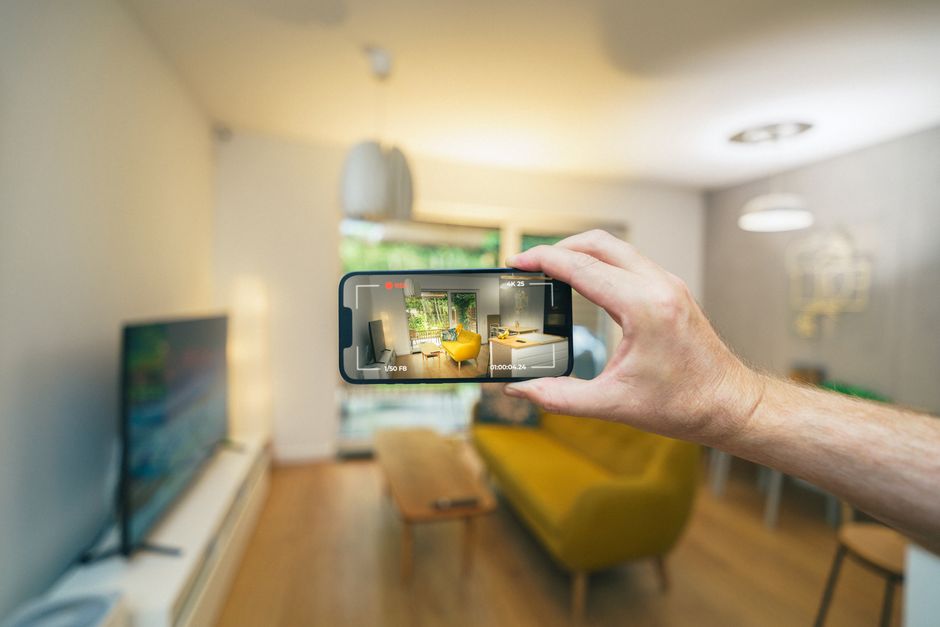
Virtual tour photography is a method that combines multiple images to create a 360-degree view of a space, allowing users to navigate through and explore the environment as if they were physically present. This technique has gained popularity in various fields, including real estate, hospitality, and education. By utilizing specialized equipment and software, photographers can stitch together panoramic images to produce seamless virtual experiences.
The advent of high-resolution cameras and the proliferation of mobile technology have made virtual tour photography more accessible than ever. With just a few clicks, users can capture their surroundings and share them online, making it an ideal tool for showcasing properties, attractions, and events.
The Benefits of Virtual Tour Photography
There are numerous advantages to incorporating virtual tour photography into marketing strategies. For businesses, it enhances engagement by providing an interactive experience that static images cannot offer. Research indicates that listings with virtual tours receive 87% more views compared to those without. This increased visibility can significantly impact sales and conversions.
Additionally, virtual tours can reduce the time spent on property showings. Potential buyers can explore homes at their convenience, filtering out options that do not meet their needs before scheduling in-person visits. This efficiency not only saves time but also improves the overall customer experience.
Applications in Various Industries
Virtual tour photography has applications across a wide range of industries. In real estate, agents utilize virtual tours to showcase homes, providing prospective buyers with an immersive experience from the comfort of their own devices. This approach is particularly beneficial in a competitive market, where first impressions are crucial.
The hospitality industry also benefits significantly from virtual tours. Hotels and resorts can showcase their amenities, rooms, and surroundings to entice potential guests. By allowing customers to explore the property virtually, establishments can increase booking rates and customer satisfaction.
Education is another field where virtual tour photography can make a significant impact. Schools and universities can offer virtual campus tours to prospective students, helping them familiarize themselves with the environment and facilities. This initiative can enhance recruitment efforts and provide valuable insights for students.
How to Get Started with Virtual Tour Photography
For those interested in diving into virtual tour photography, several steps can be taken to get started. First, investing in the right equipment is crucial. A high-quality 360-degree camera is essential for capturing clear and detailed images. Brands like Ricoh and Insta360 offer excellent options for beginners and professionals alike.
Once the equipment is acquired, learning the software for stitching images and creating virtual tours is the next step. Programs like Pano2VR and Matterport are popular choices that provide user-friendly interfaces and robust features. Many online tutorials and courses can help individuals master these tools quickly.
Finally, practice is key. Experimenting with different lighting conditions, angles, and compositions will help improve skills and produce stunning virtual tours that captivate viewers. As you refine your technique, consider sharing your work on social media or creating a portfolio to showcase your talents.
For those looking for professional assistance, many companies specialize in virtual tour photography, providing high-quality services to clients in various industries.
Conclusion
Virtual tour photography is reshaping how we experience and interact with our surroundings. Its ability to provide immersive, interactive experiences is invaluable in today’s digital age. Whether for real estate, tourism, or education, the opportunities presented by this innovative approach are vast. Embracing virtual tour photography can enhance engagement, streamline processes, and ultimately lead to greater success in marketing efforts. As technology continues to evolve, staying ahead of the curve with virtual tour photography will undoubtedly become a vital component of any effective strategy.