









In an era where technology continuously reshapes our experiences, virtual tour photography has emerged as a revolutionary medium. This innovative approach allows individuals to explore spaces virtually, making it an invaluable tool for businesses, real estate, and tourism. As we dive deeper into this fascinating field, we will uncover its significance, the technology behind it, and how it can elevate your marketing strategies.
Understanding Virtual Tour Photography
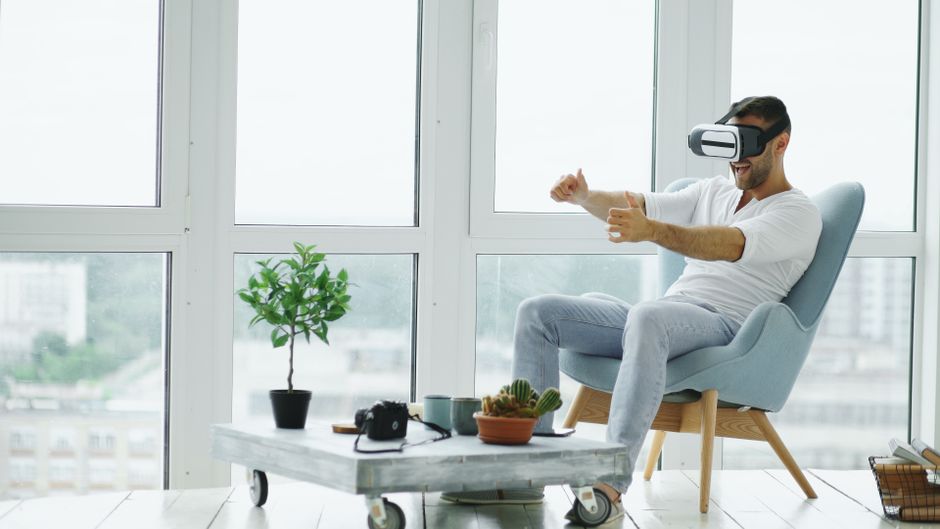
Virtual tour photography combines panoramic photography and 3D imagery to create immersive experiences. By stitching multiple images together, photographers can create a seamless view of a location that users can navigate through. This technology enables viewers to explore every corner of a space as if they were physically present. As remote interactions become more prevalent, the demand for this type of photography continues to grow.
Businesses can leverage virtual tours to enhance customer engagement. For instance, a real estate agent can showcase a property through a 360-degree virtual tour, allowing potential buyers to explore it from the comfort of their homes. This not only saves time but also increases the likelihood of sales as clients can make informed decisions without needing to visit each property in person.
The Technology Behind Virtual Tours
Creating a virtual tour involves several steps and technologies. The process typically begins with high-resolution photography, often captured using specialized cameras. These cameras can capture wide-angle views, ensuring that the resulting images are detailed and immersive. Once the images are taken, they are processed using software that stitches them together, creating a panoramic view.
Additionally, many virtual tours incorporate interactive elements such as hotspots, which provide information about specific features within the space. For example, in a museum tour, clicking on a painting might reveal details about the artist and the artwork. This interactivity significantly enhances the user experience and keeps viewers engaged.
Furthermore, virtual tours are often optimized for mobile devices, ensuring accessibility for users on various platforms. This adaptability means that businesses can reach a broader audience, as more individuals rely on their smartphones and tablets to explore content.
Applications in Various Industries
The applications of virtual tour photography are vast, spanning numerous industries. In real estate, agents can provide virtual walkthroughs of properties, making it easier for buyers to narrow down their choices. In the hospitality sector, hotels can showcase their amenities and rooms, enticing potential guests to book their stays.
Moreover, the travel industry has also embraced virtual tours, allowing travelers to experience destinations before visiting. For instance, virtual tours of popular tourist spots can help travelers plan their itineraries, ensuring they don’t miss out on must-see attractions. This has been particularly beneficial during times when travel restrictions were in place, allowing people to explore the world from their homes.
Another noteworthy application is in the education sector. Schools and universities can use virtual tours to give prospective students a glimpse of their campuses. This not only aids in recruitment but also enhances the overall experience for new students who may feel overwhelmed when starting at a new institution.
Benefits of Using Virtual Tours for Marketing
Incorporating virtual tour photography into marketing strategies can yield numerous benefits. Firstly, it increases engagement by providing a unique and interactive experience for potential customers. Studies have shown that users are more likely to stay on a website longer when virtual tours are present, ultimately leading to higher conversion rates.
Additionally, virtual tours can improve search engine optimization (SEO). Websites that feature engaging content, like virtual tours, tend to rank higher on search engines. This means that businesses can attract more organic traffic by providing valuable visual experiences.
Furthermore, virtual tours can enhance brand perception. A professional, high-quality virtual tour can position a brand as innovative and forward-thinking, appealing to tech-savvy consumers. As such, businesses that utilize this technology can differentiate themselves in competitive markets.
Challenges and Considerations
While virtual tour photography offers many advantages, it also comes with its challenges. The initial cost of equipment and software can be significant, especially for small businesses. Photographers must invest in high-quality cameras and editing software to produce professional results.
Moreover, creating a virtual tour requires expertise in photography and editing, which may necessitate hiring a professional. This can add to the overall costs, making it less accessible for some businesses. However, as technology advances, more user-friendly tools are becoming available, making it easier for non-professionals to create virtual tours.
Lastly, it’s essential to ensure that virtual tours are regularly updated to reflect the current state of the space. Outdated tours can mislead potential customers and damage a brand’s reputation. Therefore, businesses must prioritize maintaining their virtual content.
Conclusion
Virtual tour photography is a game-changer for various industries, offering immersive experiences that enhance customer engagement and drive sales. As technology continues to evolve, the potential applications for virtual tours will only expand. By harnessing the power of this innovative medium, businesses can effectively showcase their offerings and stand out in an increasingly digital marketplace. For those looking to explore this exciting field, consider investing in quality virtual tour photography to elevate your marketing strategy and reach a wider audience. To learn more about this transformative approach, check out virtual tour photography.