









In an era where space optimization and functional design are paramount, the role of a space planning consultant has become increasingly vital. These professionals are tasked with creating efficient layouts that meet both aesthetic and practical needs. As cities become denser and demands for commercial and residential spaces grow, understanding the nuances of space planning is essential for architects, designers, and property developers alike.
Understanding Space Planning
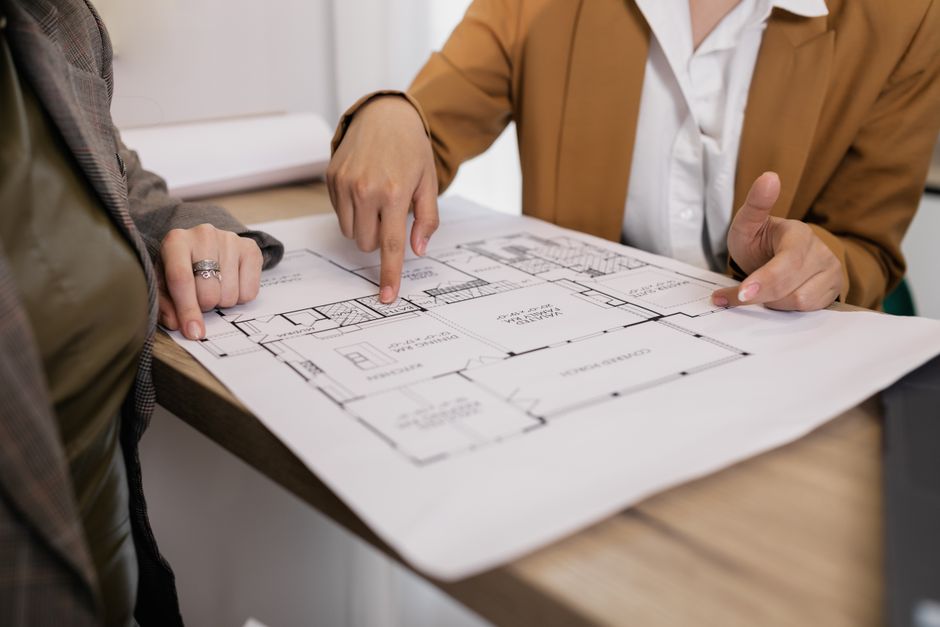
Space planning involves organizing a physical environment to optimize its functionality and aesthetics. It is a crucial step in the design process, whether for residential, commercial, or industrial projects. A well-executed space plan can enhance workflow, improve user experiences, and even increase property value. According to a study by the American Society of Interior Designers, effective space planning can increase productivity by up to 20% in office environments.
At its core, space planning considers factors such as traffic flow, accessibility, and functionality. A space planning consultant begins by assessing the needs of the client and the intended use of the space. They analyze how people will move through the area and what activities will take place. This information is then used to create a design that maximizes efficiency while still being visually appealing.
The Benefits of Hiring a Space Planning Consultant
Engaging a space planning consultant can provide numerous advantages. First and foremost, these professionals bring expertise and a fresh perspective to the design process. They are trained to identify issues that clients may overlook, ensuring that the final layout is both functional and compliant with relevant regulations.
Additionally, a space planning consultant can help save time and money. By creating an efficient layout from the outset, they can minimize the need for costly changes down the line. For instance, improper flow in a commercial space could lead to bottlenecks, resulting in a poor customer experience and lost revenue. A consultant can anticipate these challenges and design accordingly.
Furthermore, hiring a consultant offers access to industry-standard tools and technology. Many space planning consultants use advanced software to visualize designs and create 3D renderings. This technology allows clients to better understand the proposed layout and make informed decisions before any construction begins.
Key Considerations in Space Planning
When working with a space planning consultant, several key considerations should be kept in mind. One of the most critical factors is the intended purpose of the space. Different functions require different layouts; for example, an office needs to facilitate collaboration and communication, while a retail space should encourage customer movement and engagement.
Another important aspect is the flexibility of the design. As businesses grow or change, their spatial needs may evolve. A well-planned space should allow for easy modifications to accommodate future requirements. This could involve movable walls, adaptable furniture, or modular designs that can be reconfigured as needed.
Furthermore, sustainability is becoming an increasingly important consideration in space planning. As environmental awareness rises, many clients are looking for eco-friendly solutions in their designs. A space planning consultant can recommend materials and layouts that reduce energy consumption, improve indoor air quality, and promote sustainability.
Case Studies of Successful Space Planning
To illustrate the impact of effective space planning, consider the case of a tech company that recently relocated its headquarters. Before hiring a space planning consultant, the company struggled with inefficient layouts that hindered collaboration and productivity. After a thorough assessment, the consultant recommended an open floor plan with designated collaboration areas, resulting in a 30% increase in employee satisfaction and a significant boost in overall productivity.
Another example is a boutique retail store that faced challenges with customer flow. The store’s layout created congestion at the entrance, leading to frustrated customers. By consulting with a space planning expert, the store was able to redesign its entrance and optimize product placement, ultimately increasing foot traffic and sales by 25%.
Conclusion
The role of a space planning consultant is indispensable in today’s design landscape. With their expertise, businesses and individuals can create spaces that are not only visually appealing but also functional and efficient. As the demand for innovative and adaptive spaces continues to rise, investing in a qualified space planning consultant becomes a strategic decision that can yield significant long-term benefits. Whether you are designing a new office, renovating a retail environment, or planning a residential project, a space planning consultant can provide the insights and solutions needed to achieve your goals.