









In today’s fast-paced business environment, the importance of a well-designed workspace cannot be overstated. Commercial interior designers play a crucial role in creating environments that not only reflect a company’s brand but also enhance productivity and employee satisfaction. This article delves into the various aspects of commercial interior design, showcasing its significance, trends, and the process involved.
Understanding Commercial Interior Design
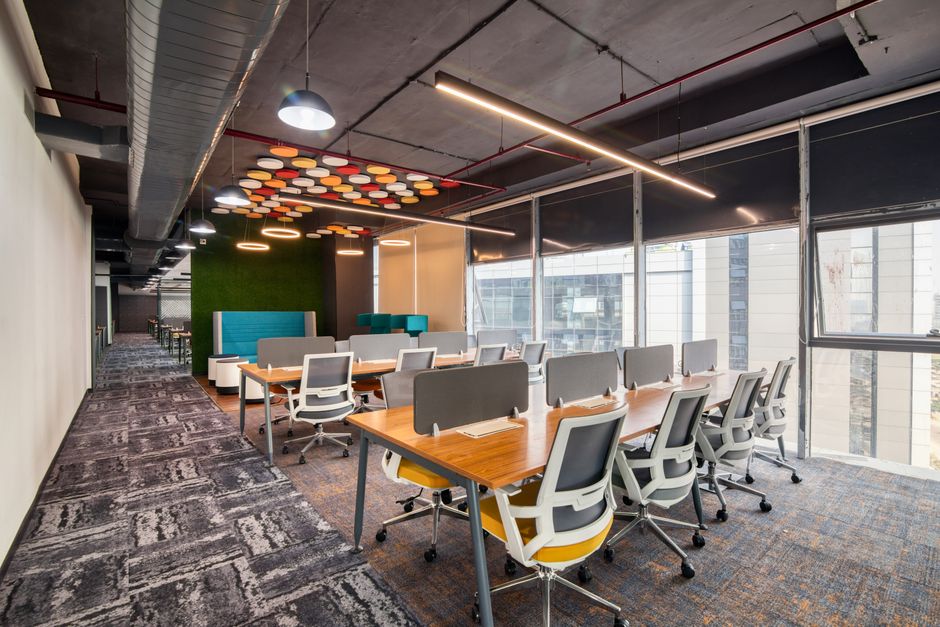
Commercial interior design is the art and science of enhancing the interior of a commercial space to achieve a healthier and more aesthetically pleasing environment. This includes offices, retail stores, restaurants, and other public spaces. The primary goal is to create functional spaces that meet the needs of businesses and their clients while adhering to local building codes and regulations.
One of the key elements of commercial interior design is understanding the client’s brand identity. Designers work closely with businesses to ensure that the interior spaces reflect their values and mission. This alignment can significantly impact customer perception and employee morale, making it essential for designers to grasp the essence of the brand.
Furthermore, commercial interior designers must stay updated with the latest trends and technologies in design. This includes sustainable practices, smart technology integration, and innovative materials that promote functionality and aesthetic appeal.
The Design Process: From Concept to Completion
The journey of a commercial interior designer begins with an initial consultation to understand the client’s needs and objectives. During this phase, designers often conduct site assessments to evaluate the existing conditions and determine the best approach for the redesign.
Once the requirements are established, designers create a concept that includes layouts, color schemes, and materials. This phase is crucial as it sets the tone for the entire project. For instance, a tech startup may opt for a modern, open-space layout with vibrant colors to foster creativity, while a law firm might prefer a more traditional and sophisticated look with neutral tones.
After the concept is approved, designers move on to the development phase, where detailed drawings and specifications are created. This includes selecting furniture, fixtures, and finishes that align with the overall design vision. An effective commercial interior designer will also consider budget constraints during this stage to ensure the project remains financially viable.
Trends in Commercial Interior Design
As the workplace evolves, so do the trends in commercial interior design. One significant trend is the emphasis on sustainability. Businesses are increasingly seeking ways to minimize their environmental impact, and interior designers are responding by incorporating eco-friendly materials and design practices.
Another trend is the focus on employee well-being. With the rise of remote work, companies are rethinking their office spaces to create environments that support collaboration and mental health. This includes incorporating biophilic design elements, such as natural light and indoor plants, to enhance the overall atmosphere.
Moreover, technology integration is becoming a staple in modern commercial spaces. From smart lighting systems to interactive workstations, designers are incorporating technology that not only improves efficiency but also enhances the user experience.
Case Studies: Successful Commercial Interior Design Projects
To illustrate the impact of effective commercial interior design, let’s explore a few successful projects. One notable example is the redesign of a tech company’s headquarters, where the goal was to promote innovation and collaboration. The designer created an open-plan layout with break-out areas for brainstorming sessions and relaxation, resulting in increased employee engagement and productivity.
In another case, a retail store underwent a transformation that focused on creating a unique shopping experience. The interior designer utilized visual merchandising techniques to guide customers through the space, enhancing the flow and making the products more accessible. This strategic approach led to a significant increase in sales.
These examples demonstrate how thoughtful design can drive business success and improve customer satisfaction. Engaging a commercial interior designer can be a game-changer for businesses looking to enhance their environments.
Conclusion: The Value of Professional Interior Design
In conclusion, commercial interior designers are vital in shaping the workspaces of today. Their expertise not only helps in creating visually appealing environments but also fosters productivity and well-being. As businesses continue to evolve, the role of interior designers will only become more important in navigating the complexities of modern commercial spaces. Investing in professional interior design is not just about aesthetics; it’s about creating a functional and inspiring environment that drives success.