









In recent years, the rise of 3D printing technology has revolutionized various industries, from manufacturing to healthcare. The ability to create complex designs and prototypes quickly and affordably has made 3D printing an invaluable tool for businesses and individuals alike. This article explores the myriad benefits of utilizing 3D printing service, its applications across different sectors, and how it can enhance productivity and creativity.
Understanding 3D Printing Technology
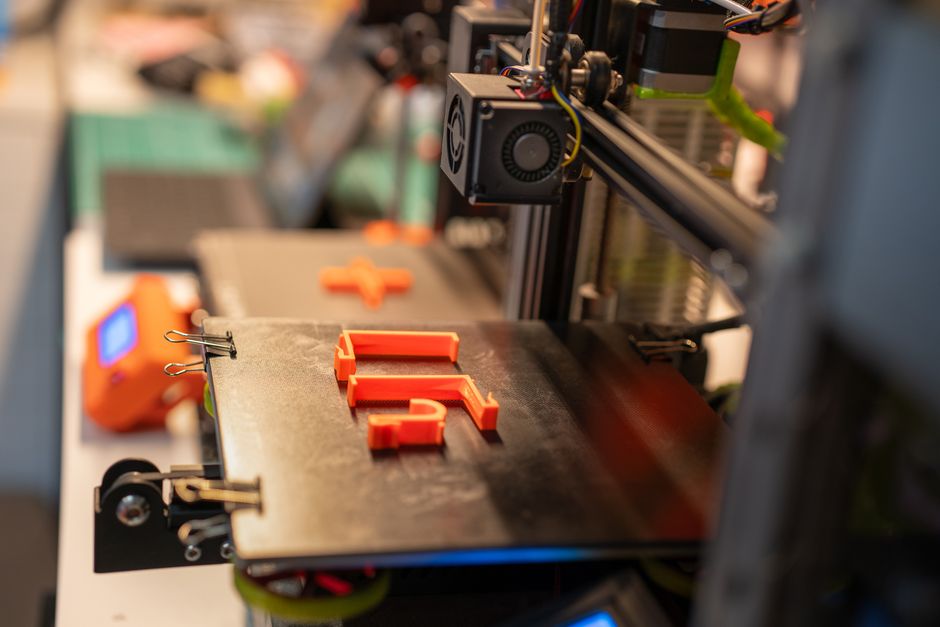
3D printing, also known as additive manufacturing, involves creating three-dimensional objects layer by layer from a digital model. This technology uses materials such as plastics, metals, and ceramics to produce intricate designs that traditional manufacturing methods struggle to achieve. The process begins with a 3D model, which is created using computer-aided design (CAD) software. Once the model is ready, it is sliced into thin layers that the printer can process.
One of the significant advantages of 3D printing is its ability to reduce waste. Unlike subtractive manufacturing, which involves cutting away material from a solid block, 3D printing only uses the material necessary to create the object. This not only conserves resources but also lowers production costs.
Moreover, 3D printing allows for rapid prototyping. Engineers and designers can quickly produce prototypes of their ideas, test them, and make adjustments in real-time. This expedited process can significantly shorten the product development cycle, allowing companies to bring their products to market faster.
Applications of 3D Printing in Various Industries
The versatility of 3D printing technology has led to its adoption across multiple sectors. In the healthcare industry, for instance, 3D printing is used to create custom prosthetics and implants tailored to individual patients. This level of customization improves patient outcomes and enhances comfort.
In the automotive sector, manufacturers employ 3D printing for rapid prototyping and producing lightweight components. This innovation not only accelerates product development but also contributes to more fuel-efficient vehicles.
Moreover, the aerospace industry has embraced 3D printing to manufacture complex parts that are both lightweight and durable. Companies like Boeing and Airbus have reported significant savings in material costs and production time by integrating 3D printing into their processes.
Cost-Effectiveness of 3D Printing Services
Investing in 3D printing services can lead to notable cost savings for businesses. Traditional manufacturing often requires expensive molds and tooling, which can be prohibitively costly for small to medium-sized enterprises. With 3D printing, these upfront costs are significantly reduced, as there is no need for specialized equipment.
Furthermore, the on-demand nature of 3D printing means that companies can produce items as needed, reducing inventory costs and minimizing waste. This just-in-time production model aligns with modern supply chain strategies, allowing businesses to be more agile and responsive to market demands.
For startups and entrepreneurs, utilizing 3D printing services can provide a competitive edge. The ability to quickly prototype and iterate designs fosters innovation and encourages experimentation without the financial burden of traditional manufacturing methods.
Choosing the Right 3D Printing Service Provider
When selecting a 3D printing service provider, it is essential to consider several factors. First, assess the range of materials and technologies they offer. Different projects may require specific materials, and having a provider that can cater to those needs is crucial.
Additionally, evaluate their expertise and experience in the field. A provider with a solid reputation and a portfolio showcasing successful projects can provide valuable insights and guidance throughout the process.
Finally, consider the turnaround time and pricing structure. Transparency in costs and timelines is vital to ensure that the project stays within budget and meets deadlines.
Future Trends in 3D Printing
The future of 3D printing is promising, with advancements in technology continuously emerging. One trend is the development of bioprinting, which involves printing living tissues and organs. This innovation has the potential to revolutionize the healthcare industry, addressing the shortage of organ donors and providing personalized medicine.
Moreover, the integration of artificial intelligence (AI) in 3D printing processes can enhance efficiency and accuracy. AI algorithms can optimize designs and streamline production, resulting in higher quality outputs.
As sustainability becomes increasingly important, eco-friendly materials for 3D printing are gaining traction. The use of biodegradable plastics and recycled materials will help reduce the environmental impact of manufacturing.
Conclusion
In conclusion, 3D printing services are transforming the landscape of manufacturing and design, offering unprecedented customization, cost-effectiveness, and efficiency. As technology continues to advance, the applications of 3D printing will only expand, paving the way for innovative solutions across various industries. By embracing this technology, businesses can unlock new possibilities and stay ahead in a competitive market.