
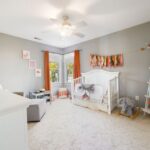








When it comes to furnishing a child’s room, the choices can be overwhelming. Parents today are looking for more than just basic furniture; they want stylish, functional, and safe options that reflect their child’s personality. In this article, we will explore the essential elements of a successful kids furniture store, including design trends, safety standards, and how to create an inviting shopping environment.
Understanding the Needs of Children
Children are unique in their needs and preferences. Their furniture should not only be functional but also cater to their growth and development. A recent study indicated that children spend an average of 8-10 hours a day in their rooms, making the right furniture crucial for their comfort and creativity. It’s essential for a kids furniture store to offer products that are adjustable, such as desks and chairs, which can grow with the child.
Moreover, the furniture should also encourage play and learning. For instance, items like bean bags can provide cozy reading nooks, while multi-functional storage units can help keep the room organized and tidy. Parents appreciate when they can find items that serve dual purposes, such as a bed with built-in drawers or a desk that can be converted into an art station.
Safety First: Standards and Regulations
One of the most significant concerns for parents when purchasing furniture for their children is safety. A reputable kids furniture store must adhere to strict safety regulations to ensure that all products are free from harmful chemicals and designed to prevent accidents. For example, furniture should be made of non-toxic materials and have rounded edges to prevent injuries.
Additionally, it is essential to offer furniture that is stable and sturdy. Many parents are understandably worried about tip-over hazards, especially with dressers and shelves. Stores should provide detailed information about weight limits and stability features, helping parents make informed decisions about their purchases.
Design Trends: Fun and Functional
The aesthetics of children’s furniture have come a long way from the traditional pastel colors and cartoon themes. Current trends lean towards vibrant colors, playful designs, and themes that can evolve as the child grows. For instance, a kids furniture store might showcase items inspired by nature, space, or even modern art, allowing children to express themselves through their living space.
Moreover, incorporating elements of sustainability into design is gaining traction. Many parents are now looking for eco-friendly options made from sustainable materials. Furniture that is both stylish and environmentally responsible can set a kids furniture store apart in a competitive market.
Creating an Inviting Shopping Experience
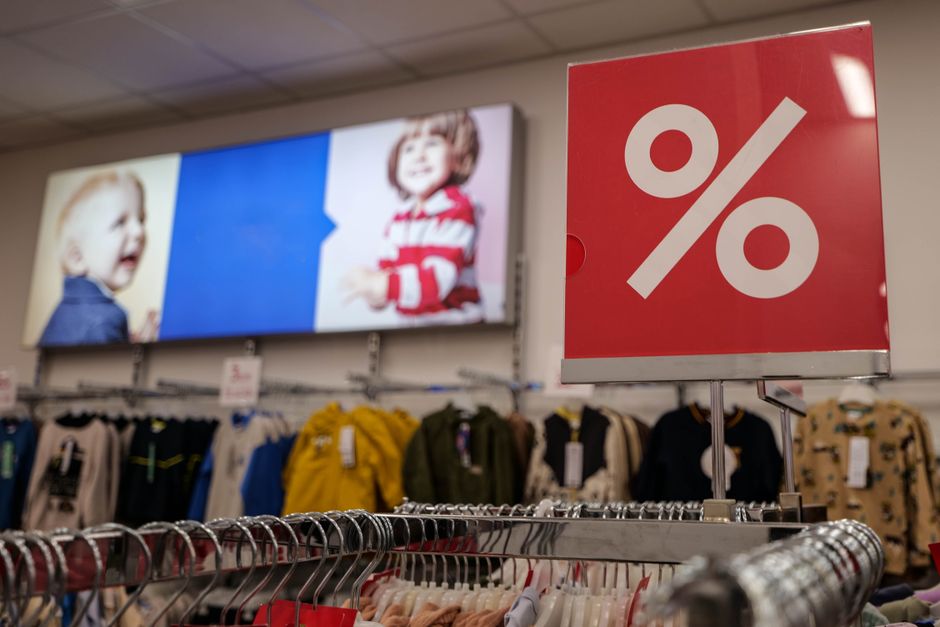
The layout and ambiance of a kids furniture store play a crucial role in the shopping experience. Bright colors, interactive displays, and themed sections can make a store feel welcoming and fun for both children and parents. Consider creating play areas where children can test out furniture or explore different setups. This not only keeps kids engaged but also helps parents visualize how the furniture will fit into their homes.
Additionally, providing knowledgeable staff who can assist customers is key. Training staff to understand the unique aspects of children’s furniture, from safety features to design trends, can enhance the shopping experience significantly. Many successful stores offer personalized consultations to help parents make the best choices for their children’s needs.
Marketing Strategies for Kids Furniture Stores
Marketing a kids furniture store requires a strategic approach that targets both parents and children. Social media platforms like Instagram and Pinterest are invaluable for showcasing vibrant designs and unique ideas. Engaging content, such as DIY tips for children’s rooms or interactive polls on furniture designs, can attract a larger audience.
Moreover, hosting workshops or events can also build community and brand loyalty. For example, a store might offer a class on how to create a functional workspace for kids or host a craft day where families can personalize furniture pieces. These activities not only promote the store but also foster a sense of belonging among customers.
Finally, an effective online presence is crucial. A well-designed website that highlights the store’s offerings and provides an easy shopping experience can significantly increase sales. Including an online blog with tips and trends in children’s furniture can also position the store as an authority in the industry.
Conclusion
The journey of creating the perfect kids furniture store experience involves understanding children’s needs, prioritizing safety, keeping up with design trends, and providing an inviting shopping atmosphere. By focusing on these key elements, a kids furniture store can stand out in the marketplace and appeal to both children and parents alike. As the demand for quality children’s furniture continues to grow, those who adapt to these trends will find success in this niche market. For a great selection, consider exploring a specialized kids furniture store that aligns with these principles.