









In recent years, the luxury fashion market has witnessed a remarkable transformation, largely fueled by the emergence of luxury brand resellers. These resellers, who operate both online and offline, have changed the way consumers access and purchase high-end fashion items. With the growing demand for exclusive luxury goods and the need for sustainability in fashion, resellers have carved out a niche that is not only profitable but also appealing to a diverse audience.
Understanding the Luxury Resale Market
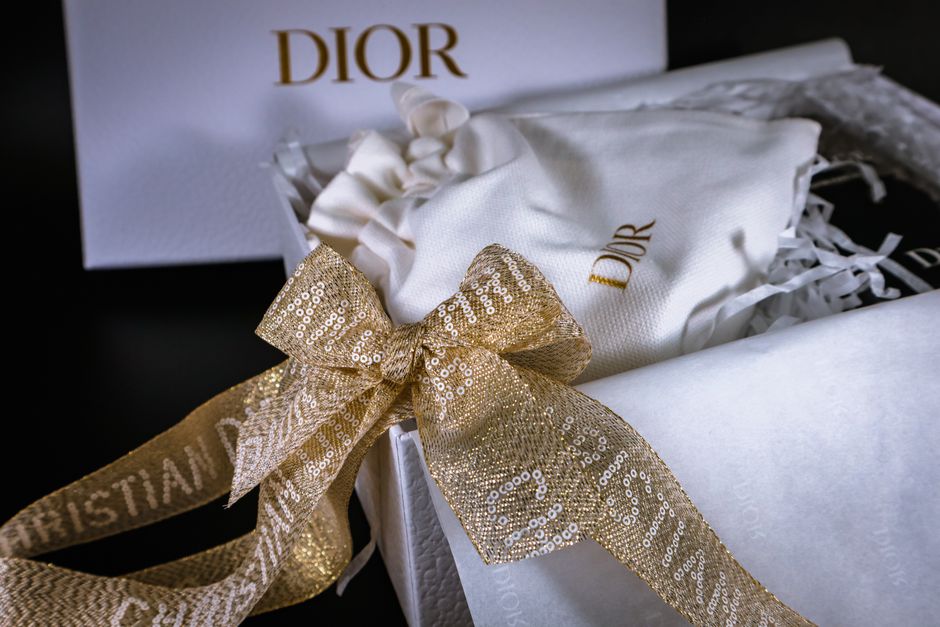
The luxury resale market has exploded in popularity, with a projected growth rate of 20% annually. This rapid growth can be attributed to several factors, including changing consumer behaviors and a heightened awareness of sustainability. Many consumers are now seeking out high-quality second-hand items as an alternative to purchasing new products, which often come with a hefty price tag. In addition, the rise of social media platforms has allowed for greater visibility and accessibility of these luxury items, thus increasing the demand for resellers.
Moreover, luxury brand resellers provide a platform for consumers to buy and sell pre-owned luxury items, often at a fraction of the original price. This not only helps consumers save money but also encourages a cycle of sustainability, as it reduces waste and promotes the idea of recycling high-end fashion.
The Business Model of Luxury Brand Resellers
Luxury brand resellers operate through various business models, each catering to different segments of the market. Some resellers focus on consignment, where individuals can sell their luxury items through the reseller’s platform, with the reseller taking a commission on the sale. Others may purchase items outright, refurbish them, and then sell them at a markup.
For example, a successful luxury brand reseller might specialize in high-demand items from brands like Chanel or Louis Vuitton. By sourcing these items from individuals looking to sell, they can create a curated selection that attracts customers willing to pay a premium for authenticity and quality. This business model not only benefits the reseller but also empowers consumers to declutter their wardrobes while making some extra cash.
Challenges Faced by Luxury Resellers
Despite the booming market, luxury brand resellers face several challenges in their operations. One major hurdle is the issue of authenticity. With the prevalence of counterfeit goods, resellers must invest in tools and expertise to ensure that the items they sell are genuine. Implementing strict authentication processes is essential to building trust with customers, who are often willing to pay a premium for verified products.
Additionally, competition in the luxury resale market is fierce. As more players enter the space, established resellers must continuously innovate and differentiate themselves from the competition. This can involve enhancing the customer experience, expanding product offerings, or utilizing marketing strategies that engage consumers on social media.
The Future of Luxury Brand Reselling
The future of luxury brand resellers looks promising, with many experts predicting continued growth in the coming years. As younger generations become more environmentally conscious, the demand for sustainable fashion solutions is likely to increase. Luxury brand resellers are ideally positioned to meet this demand, offering consumers a way to shop responsibly while still indulging in luxury items.
Moreover, advancements in technology, such as blockchain for authentication and AI for inventory management, are set to revolutionize the luxury resale industry. These innovations will not only streamline operations but also enhance the shopping experience, making it easier for consumers to find and purchase their desired items.
Conclusion
In conclusion, the rise of luxury brand resellers marks a significant shift in the fashion industry, providing consumers with access to high-quality, pre-owned items while promoting sustainability. As this market continues to evolve, resellers who prioritize authenticity, customer experience, and innovation will thrive. By embracing these principles, luxury brand resellers can establish themselves as trusted players in a rapidly changing landscape. For those looking to explore this exciting market, a reputable luxury brand reseller can be a great starting point.