









In the ever-evolving world of construction, the significance of MEP (Mechanical, Electrical, and Plumbing) engineering companies cannot be overstated. These companies play a crucial role in ensuring that buildings are not only functional but also efficient and sustainable. As urbanization accelerates and the demand for smart buildings increases, understanding the contributions of MEP engineering becomes essential for stakeholders in the construction industry.
What is MEP Engineering?
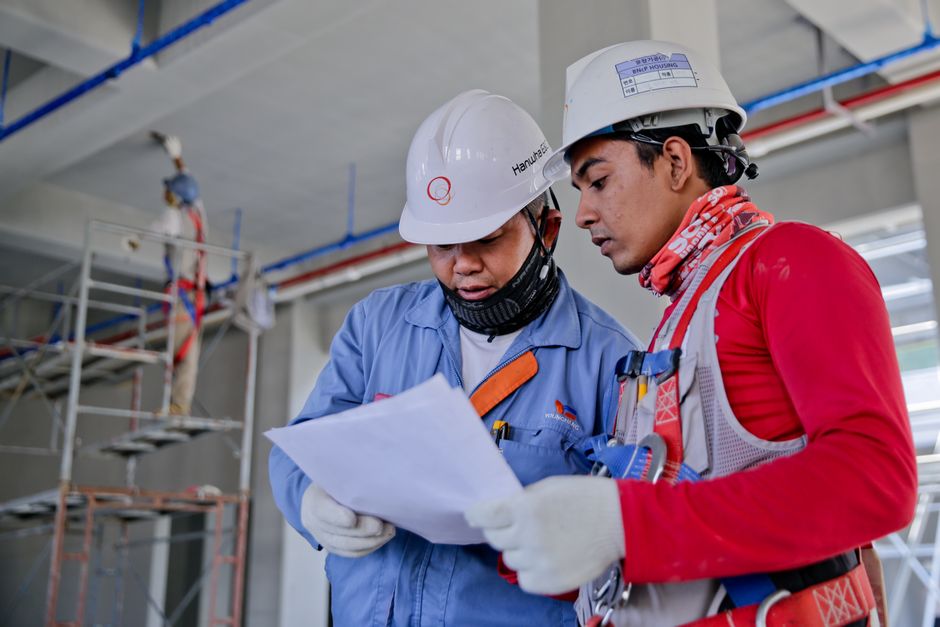
MEP engineering encompasses the design and implementation of mechanical, electrical, and plumbing systems within a building. This specialty ensures that various systems work cohesively to create a safe and comfortable environment for occupants. Mechanical systems include heating, ventilation, and air conditioning (HVAC), while electrical systems cover lighting, power distribution, and emergency systems. Plumbing involves water supply, drainage, and sewage systems.
The integration of these systems is crucial, as they impact a building’s energy efficiency, sustainability, and overall functionality. For instance, a well-designed HVAC system can significantly reduce energy consumption, thereby lowering operational costs and minimizing environmental impact.
The Importance of MEP Engineering in Sustainable Design
As sustainability becomes a priority in construction, MEP engineering companies are at the forefront of implementing green building practices. The U.S. Green Building Council’s LEED certification program emphasizes the importance of energy efficiency, water conservation, and indoor environmental quality—all areas where MEP engineering plays a pivotal role.
For example, MEP engineers can design systems that utilize renewable energy sources, such as solar panels and geothermal heating. By integrating these technologies, buildings can significantly reduce their carbon footprint, contributing to a more sustainable future. Furthermore, advanced MEP designs can enhance indoor air quality through effective ventilation systems, ensuring a healthier environment for occupants.
Challenges Faced by MEP Engineering Companies
Despite their essential role, MEP engineering companies face several challenges in the construction industry. One of the primary issues is the need for collaboration among various stakeholders. Effective communication between architects, contractors, and MEP engineers is critical to ensure that systems are integrated seamlessly into the overall building design.
Another significant challenge is keeping up with technological advancements. With the rise of smart buildings and the Internet of Things (IoT), MEP engineers must continuously update their skills and knowledge to implement cutting-edge technologies. This can involve substantial investment in training and development to ensure that teams are equipped to handle new tools and systems.
Future Trends in MEP Engineering
The future of MEP engineering looks promising, with several trends shaping the industry. One notable trend is the increasing use of Building Information Modeling (BIM), which allows for more efficient planning and coordination of MEP systems. BIM enables engineers to visualize how different systems will interact within a building, reducing the likelihood of costly errors during construction.
Additionally, the integration of artificial intelligence (AI) and machine learning in MEP design is on the rise. These technologies can analyze vast amounts of data to optimize system performance and predict maintenance needs, ultimately leading to more efficient building operations.
Conclusion
In conclusion, MEP engineering companies are vital to the success of modern construction projects. Their expertise not only ensures that buildings function effectively but also promotes sustainability and energy efficiency. As the industry continues to evolve, MEP engineers must adapt to new technologies and collaborate closely with other stakeholders to overcome challenges and embrace opportunities. Understanding the role of a MEP engineering company will be essential for anyone involved in the construction sector looking to create innovative and sustainable buildings for the future.