









In recent years, the fashion industry has witnessed a significant shift towards customization. Consumers are no longer satisfied with off-the-rack options; they seek unique garments that reflect their personal style. This trend has led to the emergence of custom clothing manufacturers, who specialize in creating tailored apparel for individuals and brands alike. In this article, we will explore the factors driving the demand for custom clothing, the benefits of working with manufacturers, and how businesses can effectively leverage these services.
Understanding the Demand for Custom Clothing
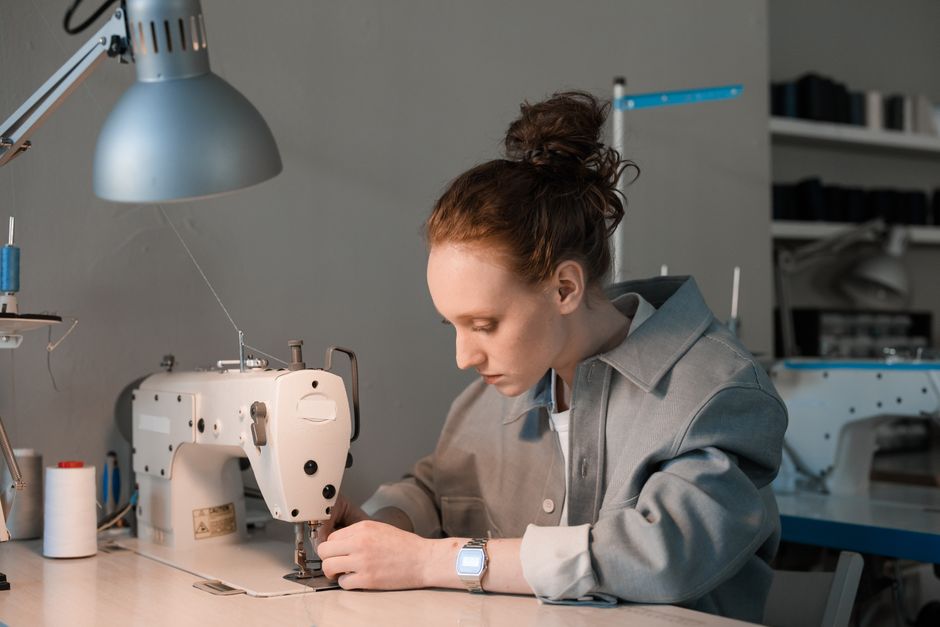
The demand for custom clothing has surged as consumers increasingly prioritize individuality and self-expression. According to a report by Grand View Research, the global custom apparel market is expected to reach $10 billion by 2025. This growth is fueled by various factors, including the rise of social media, where influencers showcase their unique styles, and the desire for exclusive fashion pieces.
Moreover, the COVID-19 pandemic has accelerated the shift towards online shopping and customization. With more people spending time at home, they have turned to online platforms to explore custom clothing options. This trend has encouraged many custom clothing manufacturers to innovate their offerings, allowing customers to easily design and order personalized garments from the comfort of their homes.
Benefits of Partnering with Custom Clothing Manufacturers
Working with a custom clothing manufacturer offers numerous advantages for both individuals and businesses. First and foremost, it allows for a high degree of personalization. Customers can choose fabrics, colors, and styles that suit their preferences, resulting in garments that perfectly fit their needs.
Furthermore, custom clothing manufacturers often provide superior quality compared to mass-produced items. Many manufacturers emphasize craftsmanship and use high-quality materials, ensuring that the final product is not only stylish but also durable.
Another significant benefit is the ability to scale production according to demand. For businesses, partnering with a custom clothing manufacturer can help manage inventory effectively. Instead of overproducing and risking unsold stock, brands can produce items in smaller batches based on actual sales data.
Choosing the Right Custom Clothing Manufacturer
Selecting the right manufacturer is crucial for achieving the desired results. Businesses should consider several factors when making their choice. Firstly, it’s essential to evaluate the manufacturer’s reputation. Reviews and testimonials from previous clients can provide valuable insights into the quality of their work.
Additionally, companies should assess the manufacturer’s production capabilities. Can they handle the scale of production required? Do they offer the range of customization options that the brand needs? Addressing these questions early on can save time and resources in the long run.
Lastly, establishing clear communication with the manufacturer is vital. A successful partnership thrives on transparency and collaboration, allowing both parties to align their goals and expectations.
Case Studies of Successful Custom Clothing Brands
Several brands have successfully leveraged custom clothing manufacturing to carve out a niche in the market. For instance, the online retailer “Stitch Fix” has created a thriving business model around personalized fashion, utilizing data and algorithms to curate clothing selections for customers based on their preferences.
Another notable example is “Indochino,” which specializes in custom menswear. The brand allows customers to design their suits through an easy online interface, leading to a more engaging shopping experience. Their success demonstrates the potential of combining technology with traditional tailoring.
These examples highlight how businesses can harness the power of customization to enhance customer satisfaction and loyalty, ultimately leading to increased sales and brand recognition.
Conclusion: The Future of Custom Clothing Manufacturing
The future of custom clothing manufacturing looks promising as consumer preferences continue to evolve. As technology advances, we can expect even more innovative solutions that make customization easier and more accessible. Brands that embrace this trend and partner with the right manufacturers will likely thrive in an increasingly competitive market.
In conclusion, understanding the dynamics of the custom clothing industry is essential for anyone looking to make an impact in fashion. By prioritizing individuality, quality, and effective partnerships, both consumers and businesses can enjoy the myriad benefits that custom clothing has to offer.